On May 5, 2014, the “Black Corps” officially established the “Azov” battalion, which initially consisted of 60 men who were issued about 30 automatic weapons, while others armed themselves with pump-action shotguns.
1st Special Forces Battalion 12th Special Forces Brigade “Azov”
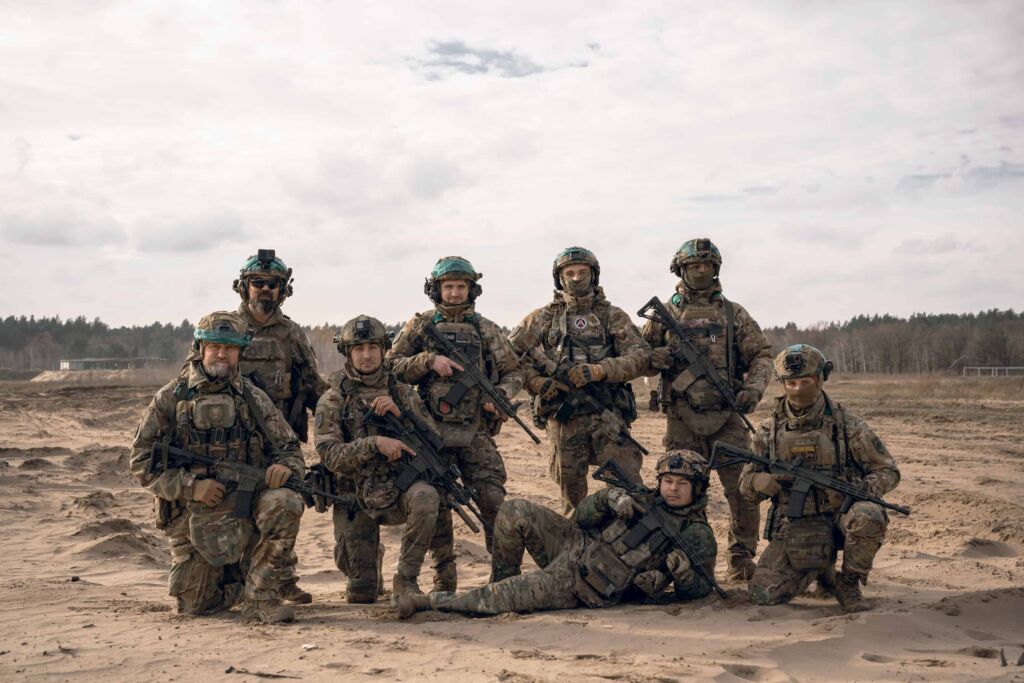
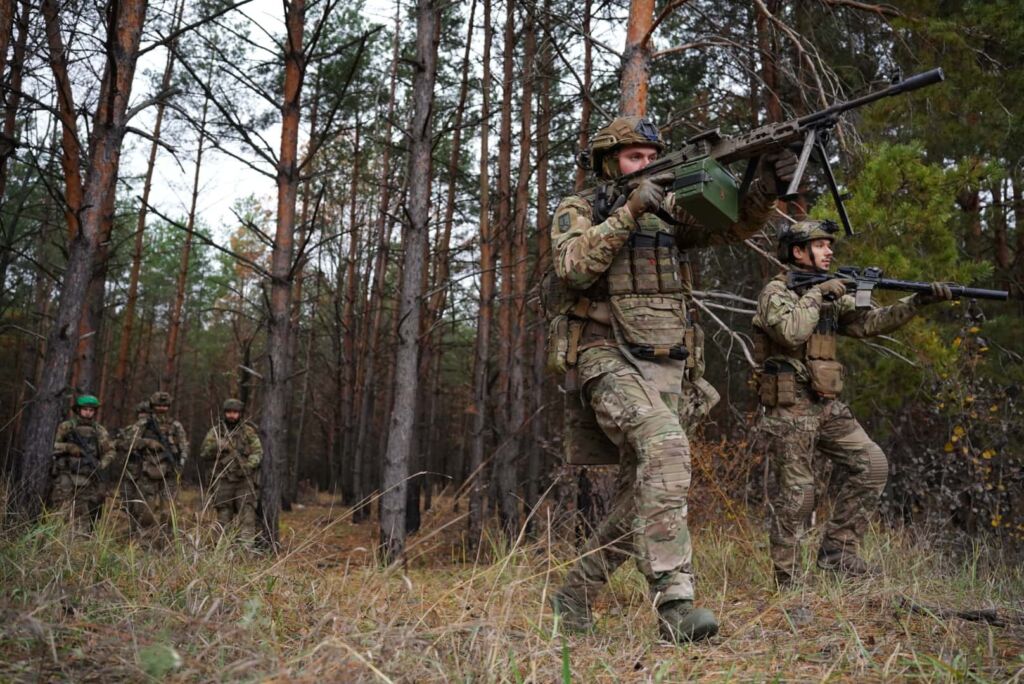
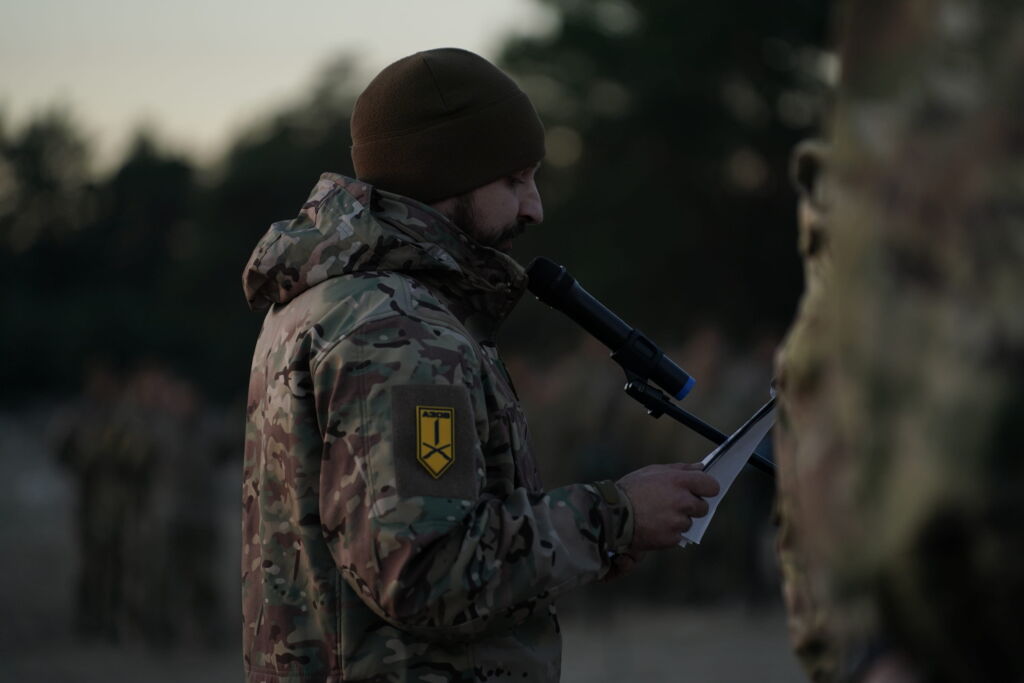
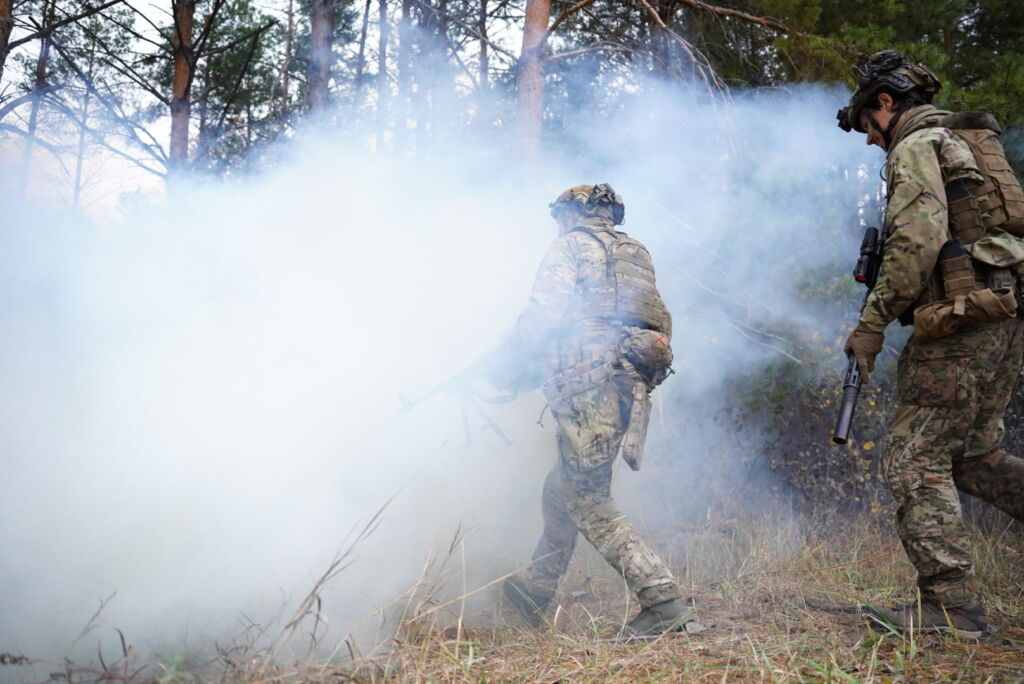
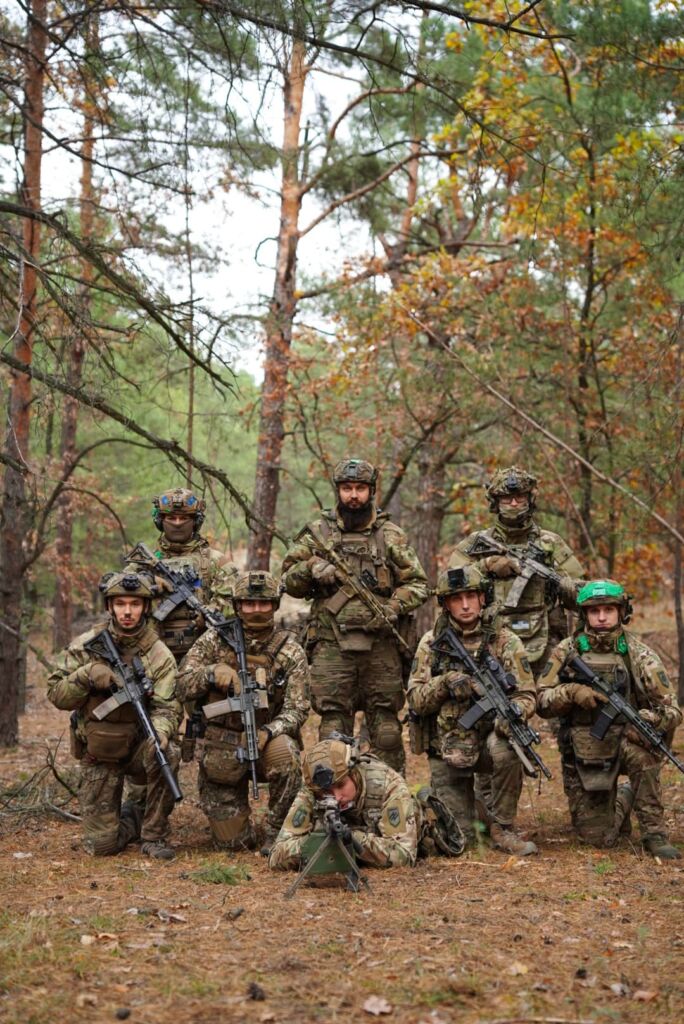
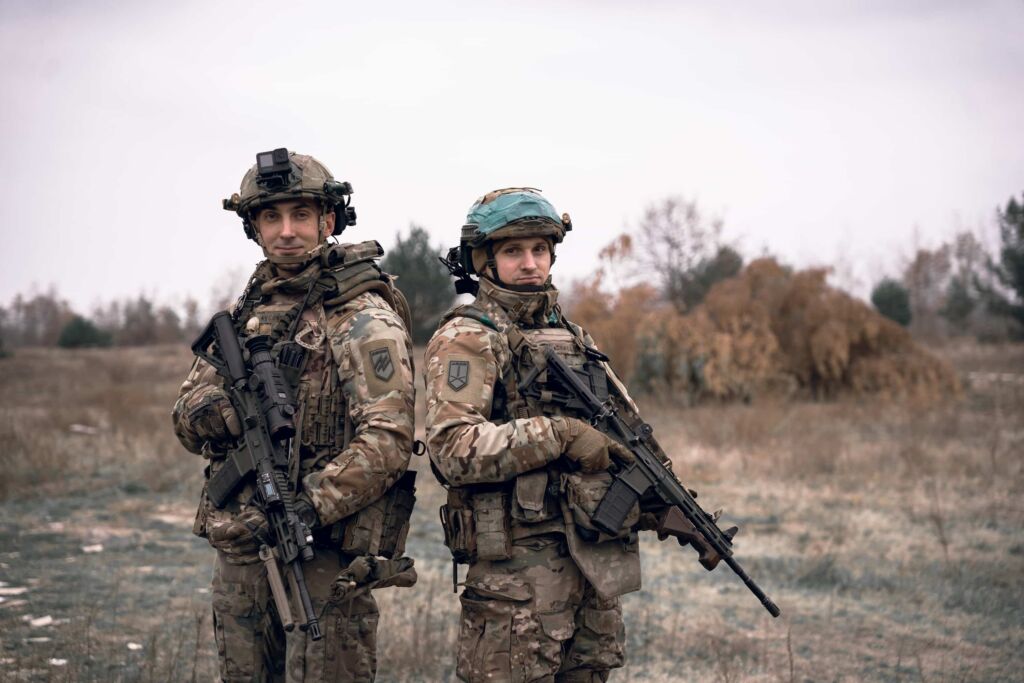
About unit
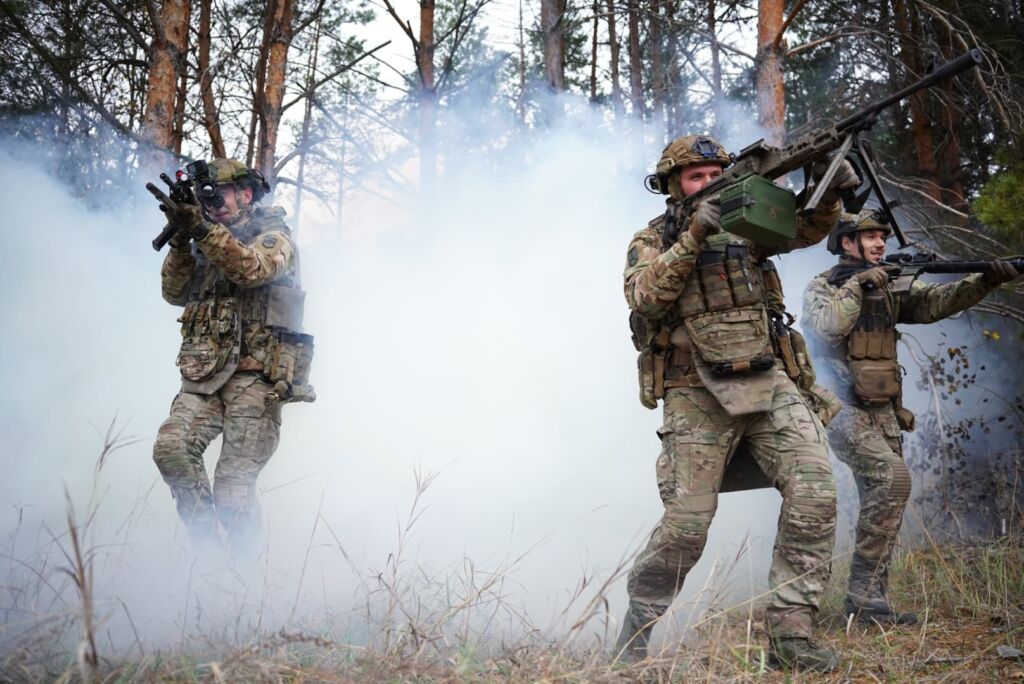
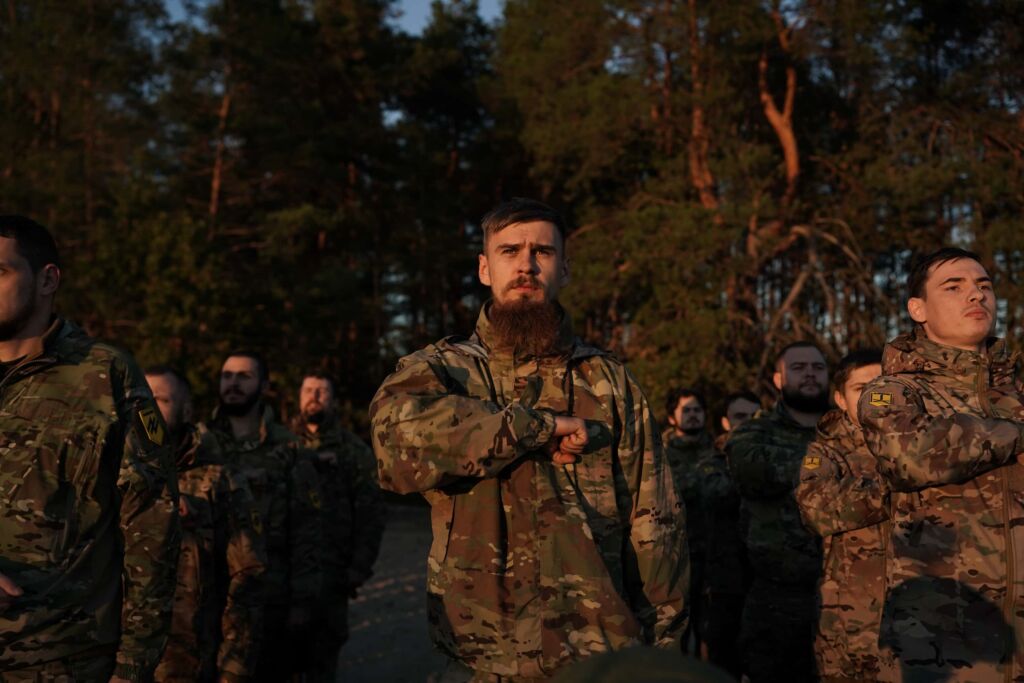
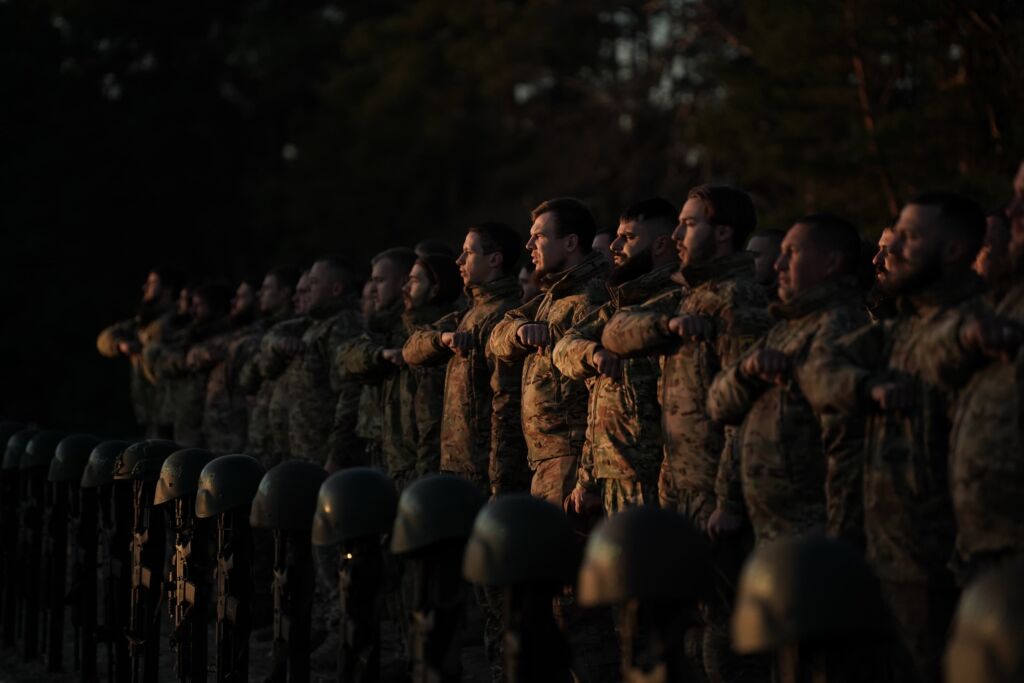
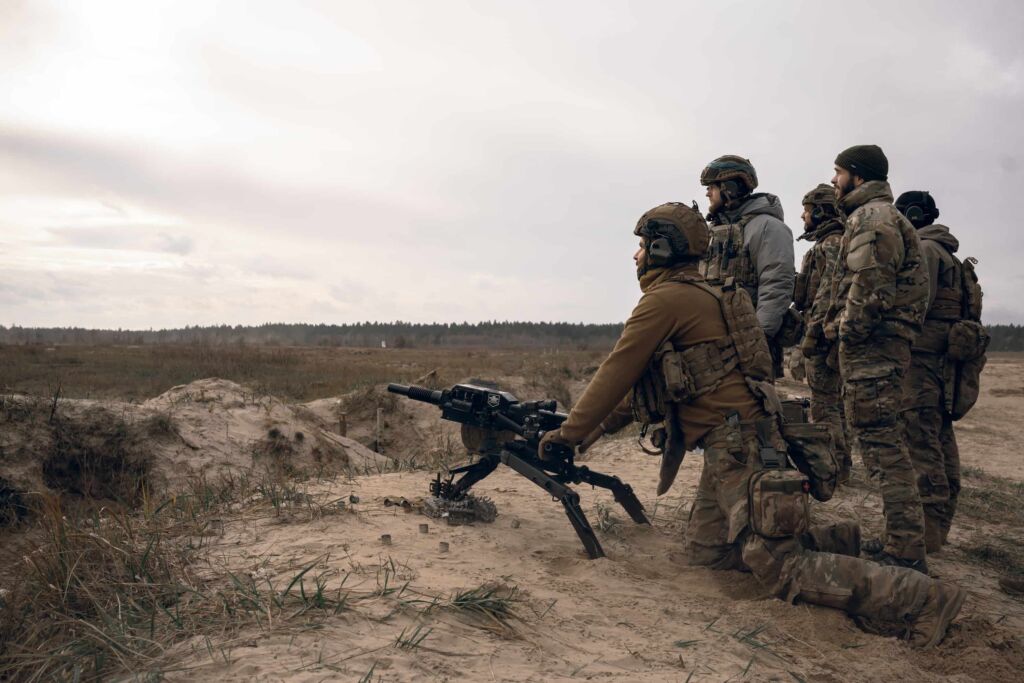
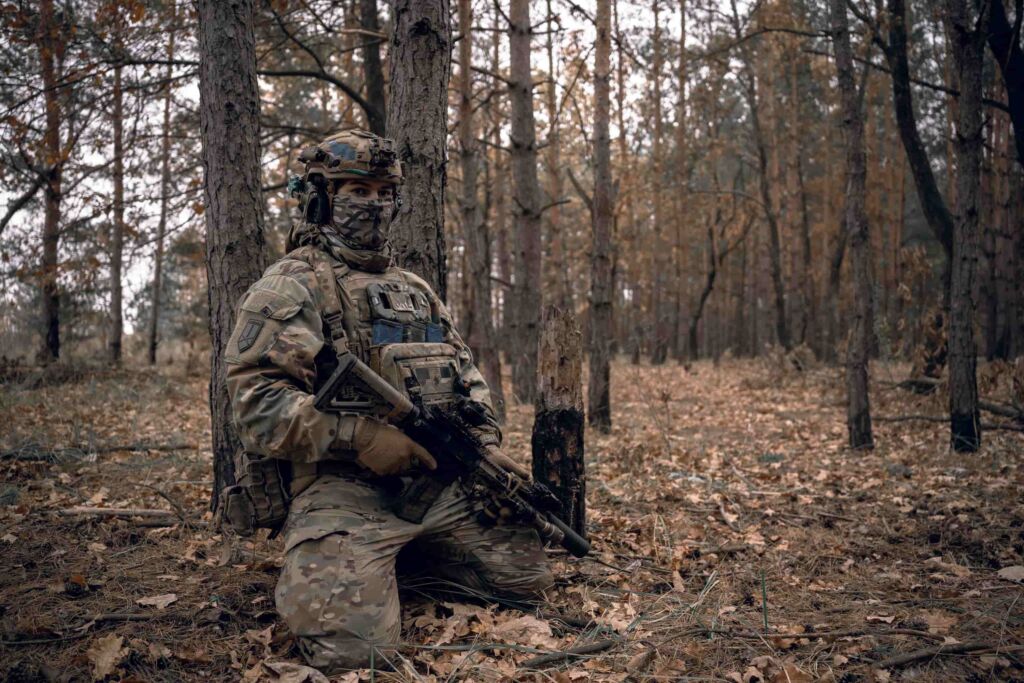
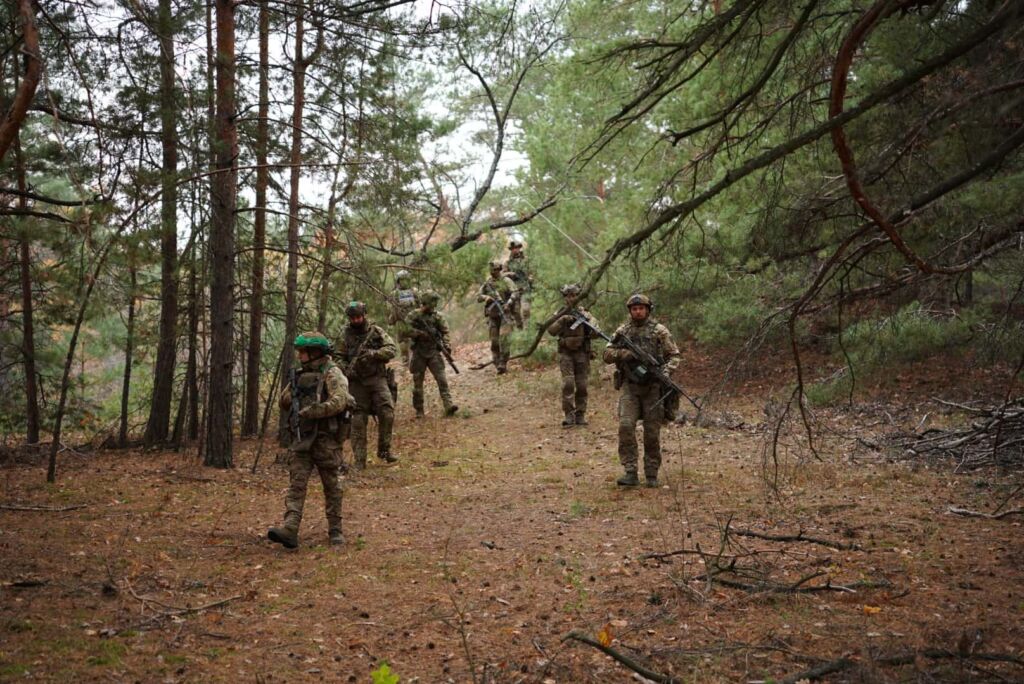
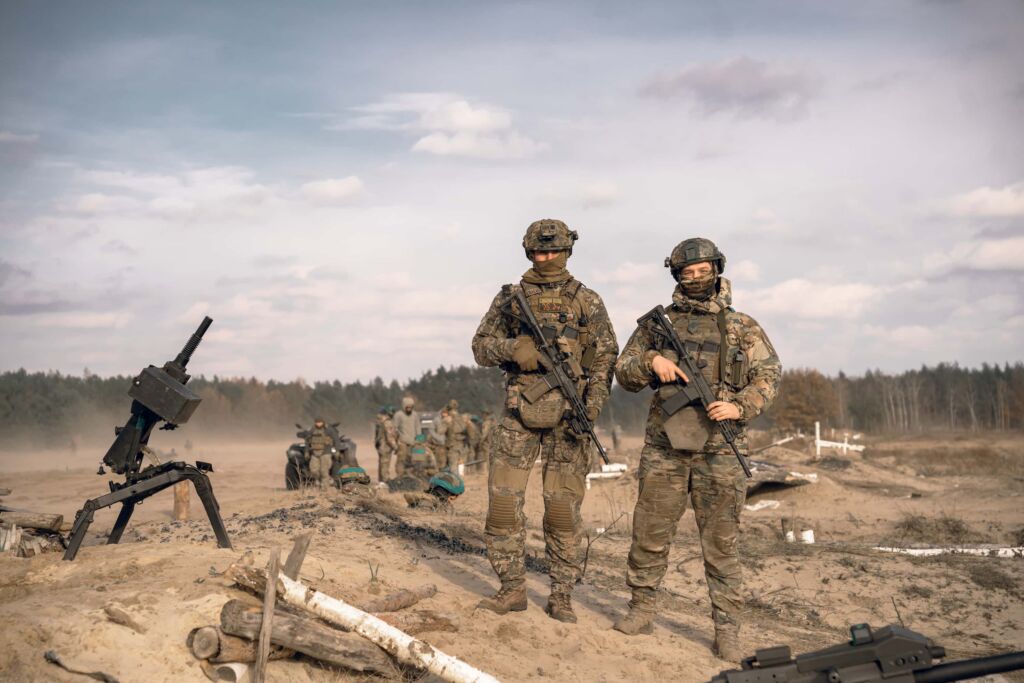
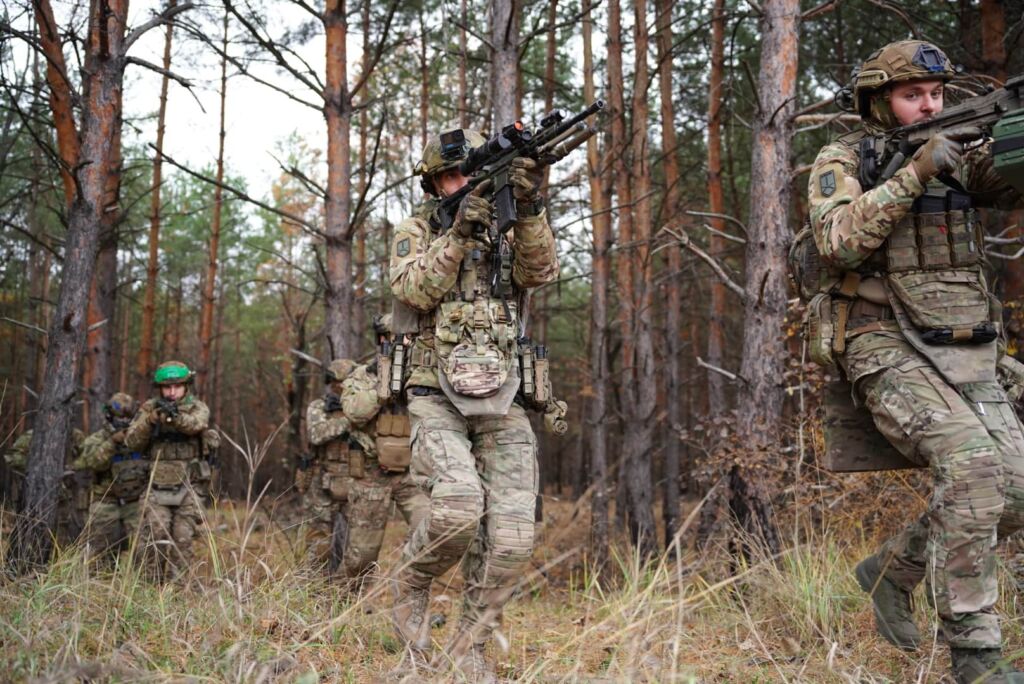
It was formed in November 2014, when the Minister of Internal Affairs of Ukraine signed an order transferring the Azov Regiment to the National Guard of Ukraine. It took an active part in the ATO/JFO, particularly in the Pavlopil-Shyrokyne operation, and then held a 86-day defense of Mariupol after the start of the full-scale invasion. In September 2022, the battalion began its reorganization, and in 2023, as one of the first Azov units, it resumed combat operations, serving in the Lyman and Toretsk sectors; it is currently operating in the Dobropillia sector.
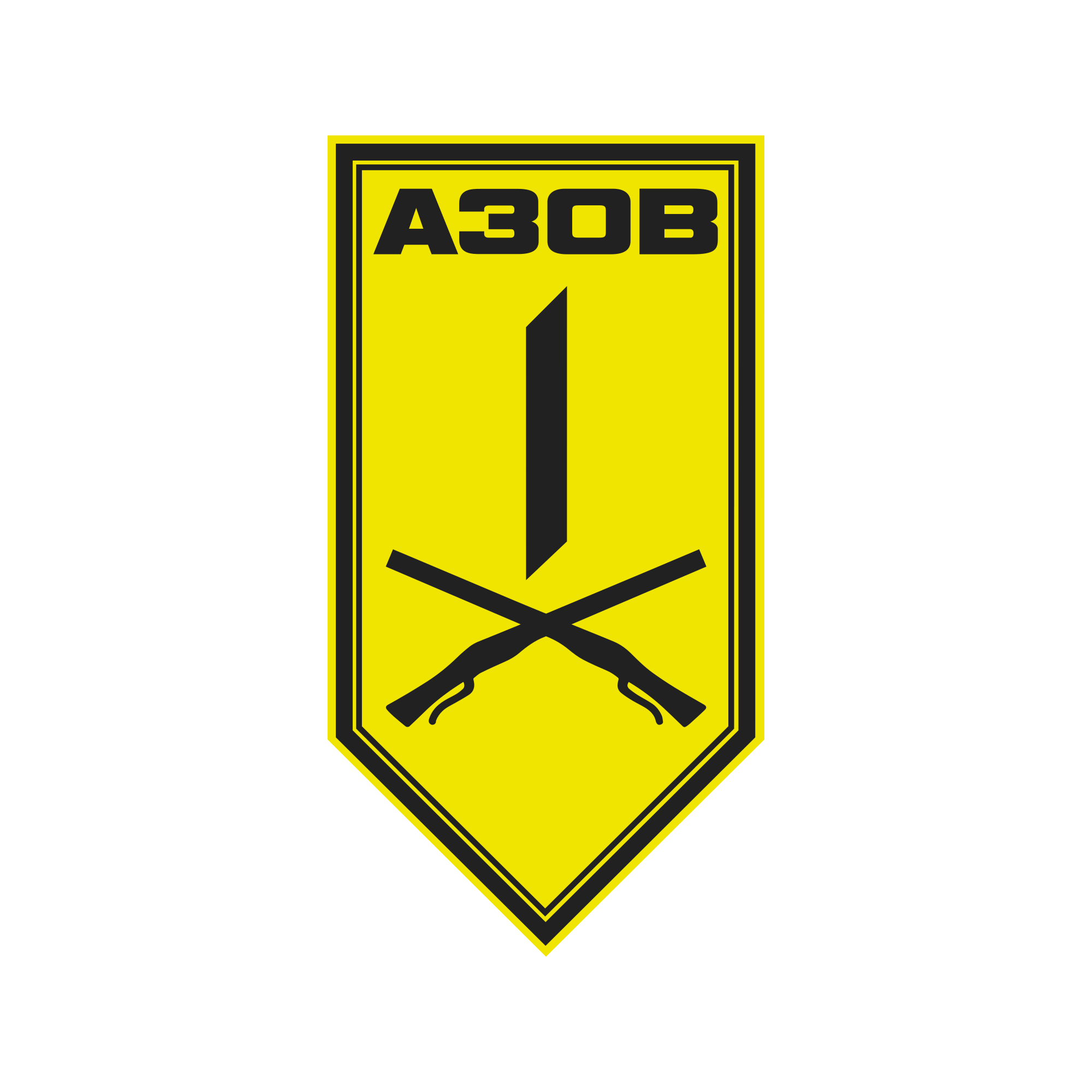
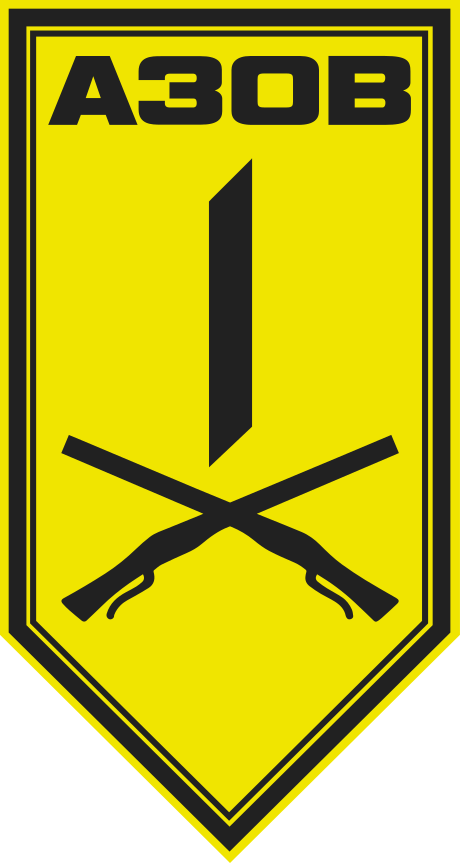
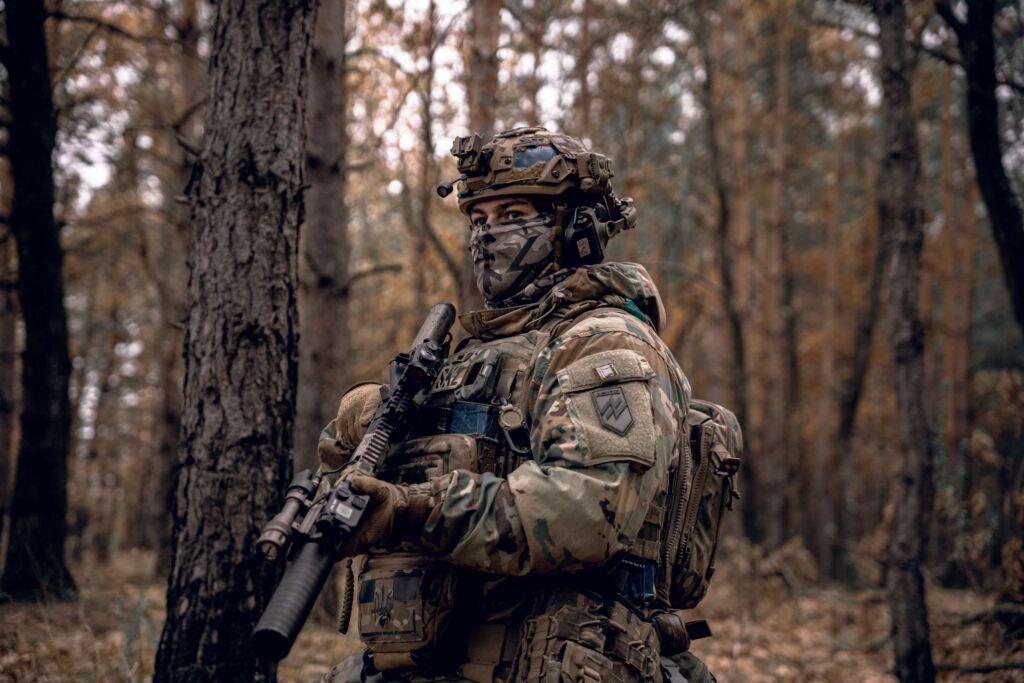
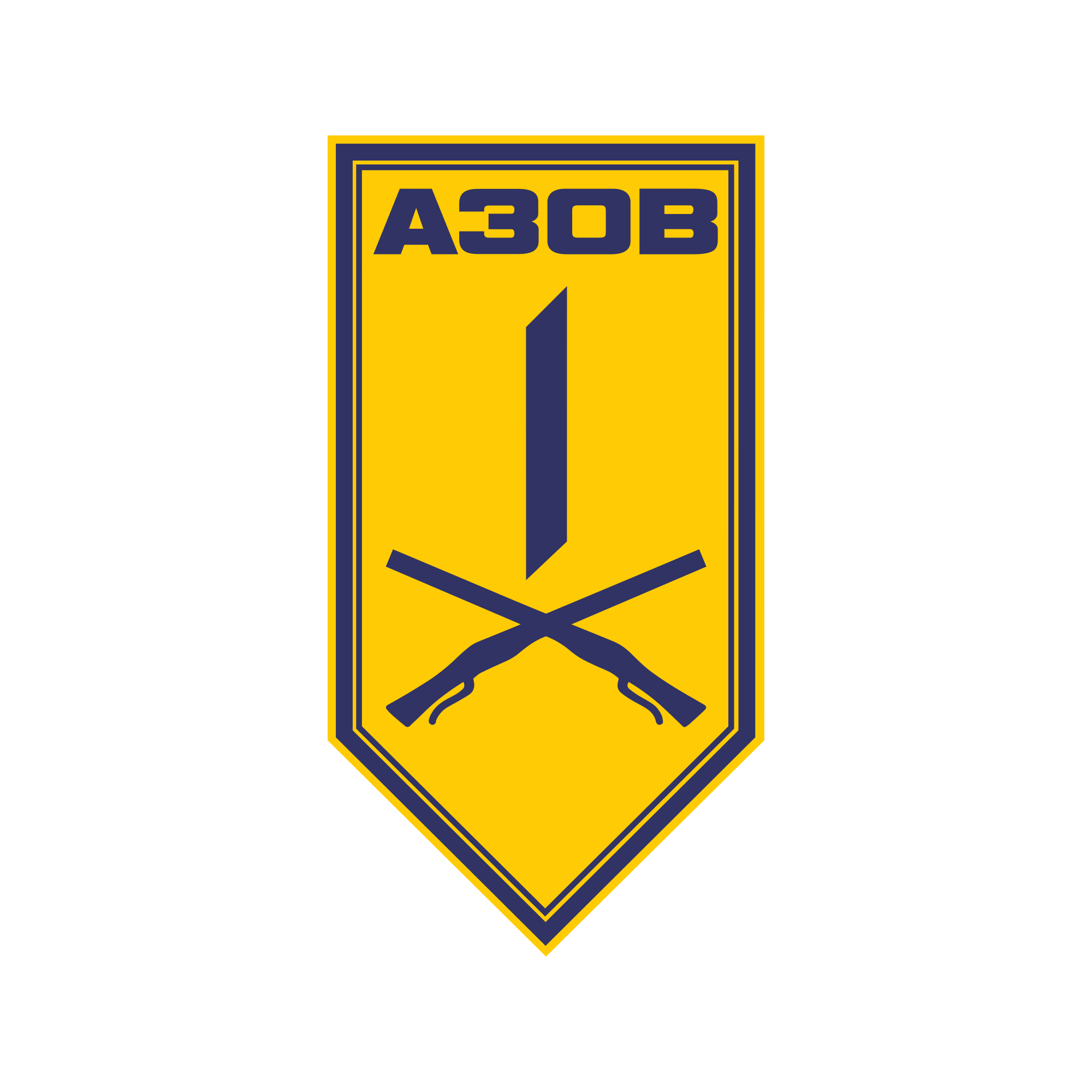
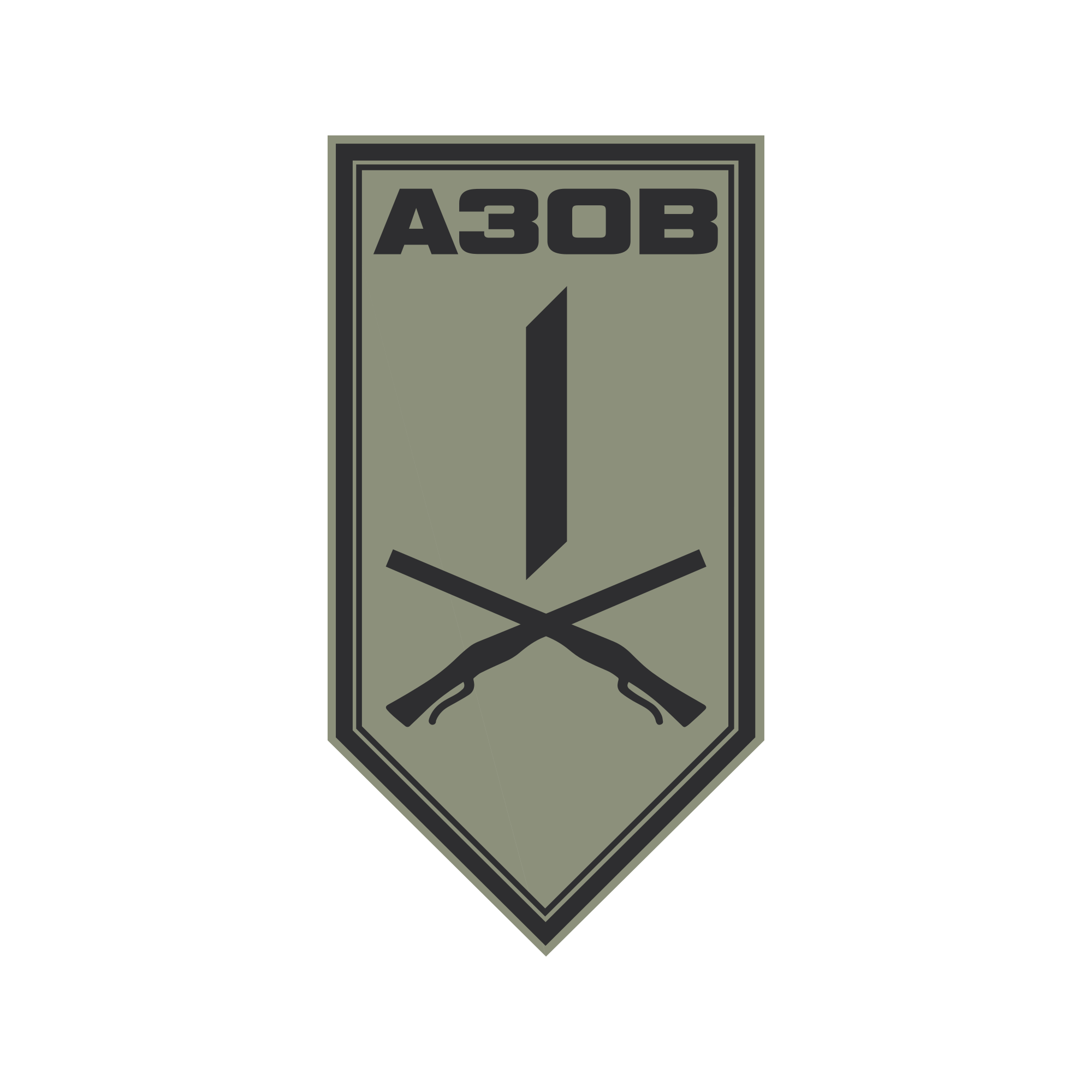
On the 1st Battalion’s insignia, the crossed muskets have a distinct Cossack appearance, symbolizing the historical continuity and legacy of traditions of military professionalism and high ideological motivation of both the 1st Battalion and the entire Azov Brigade, the backbone of which is the infantry. Similarly, the infantry formed the main force of the Ukrainian Cossack army; its primary weapon was the musket, and innovative tactics for using the musket (battalion formation, powder flasks, etc.), along with other advanced methods of combat, made the Ukrainian Cossack infantry the most powerful in all of Europe.
Symbols
History
13 червня 2014 року «Азов» став основним підрозділом, силами якого було визволено Маріуполь.
In August 2014, Azov isolated Maryinka and took part in the Ilovaisk operation. In September, the unit successfully defended Mariupol—Azov halted the Russian advance in Shyrokyne. In doing so, Azov preserved what was then the largest city in the government-controlled part of Donbas.
On September 17, 2014, the battalion was expanded into a regiment, which allowed it to acquire heavy weaponry such as tanks and artillery.
Between February 10 and 18, Azov forces liberated five settlements—Shyrokyne, Pavlopil, Kominternove, Lebedynske, and Berdianske. This pushed the separatists back nearly 20 km, reduced the frequency and intensity of shelling on Mariupol, and allowed them to establish control over the high ground.
The unit became the 1st Rapid Deployment Battalion, formed by merging the 1st and 3rd Companies.
The battalion had already taken part in combat operations near Maryinka and Krasnohorivka.
The unit held its positions near Kominternove and Vodyane.
As part of a tactical battalion group, the battalion took part in the fighting near the Svitlodarsk arc. In certain areas, they helped push the front line back 1 km toward the enemy, who suffered casualties and had some of their equipment destroyed.
They played an active role in the sniper and counter-sniper unit.
The 86-day defense of Mariupol at the start of Russia’s full-scale invasion. The battalion fought the enemy within the city before withdrawing to Azovstal. After the regiment’s gradual retreat to Azovstal, only the 1st Battalion maintained one of its positions outside the steelworks during the siege. The unit surrendered from Azovstal on orders from the higher military command.
Following the large-scale prisoner exchange involving Azov fighters in September 2022, the unit began to rebuild by recruiting new members.
In early 2023, along with the 2nd Battalion, it was one of the first units to carry out combat missions as part of the Azov Brigade. A mortar battery was formed. The 1st Company of the 1st Battalion was formed from the 4th Company of the 2nd Battalion.
He joined the operation as part of a battalion tactical group. UAV operators were deployed in combat for the first time; they would later form a company of unmanned systems. This was also the first deployment for the communications platoon.
The battalion moved into a new area of responsibility as part of the brigade—specifically, the Serebryansky Forest. It stabilized the situation and successfully held its defensive positions while launching counterattacks. A special operations unit was formed, which found a way to intercept the enemy’s secure communications channels.
As part of a battalion tactical group, he fought on one of the most challenging sections of the front near Terniv to repel enemy assaults and stabilize the situation.
The 6th Battalion was formed from elements of the 2nd Company and part of the 3rd Company.
The battalion, as part of the brigade, shifted its area of responsibility to the Toretsk sector. In this sector of the front, they managed to halt the enemy’s advance, establish defensive positions, and launch a counterattack.
Following the August battles to repel the Russian Federation’s army’s breakthrough near Dobropillia, the battalion, as part of the brigade, moved to a new sector in November, where it is holding back the enemy’s advance and launching counterattacks.
Commander
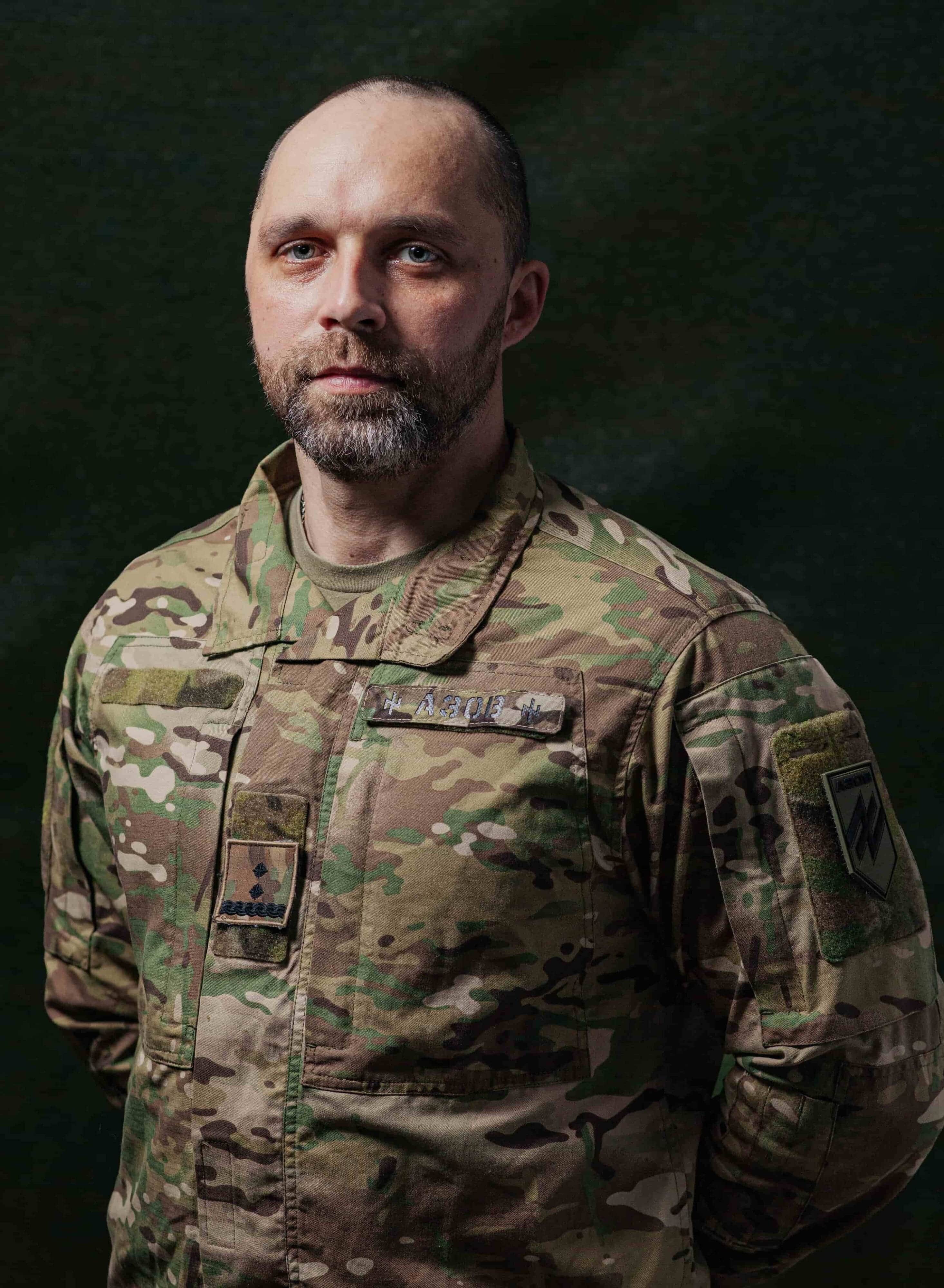
Oleksiy "Leo" Nadtochiy
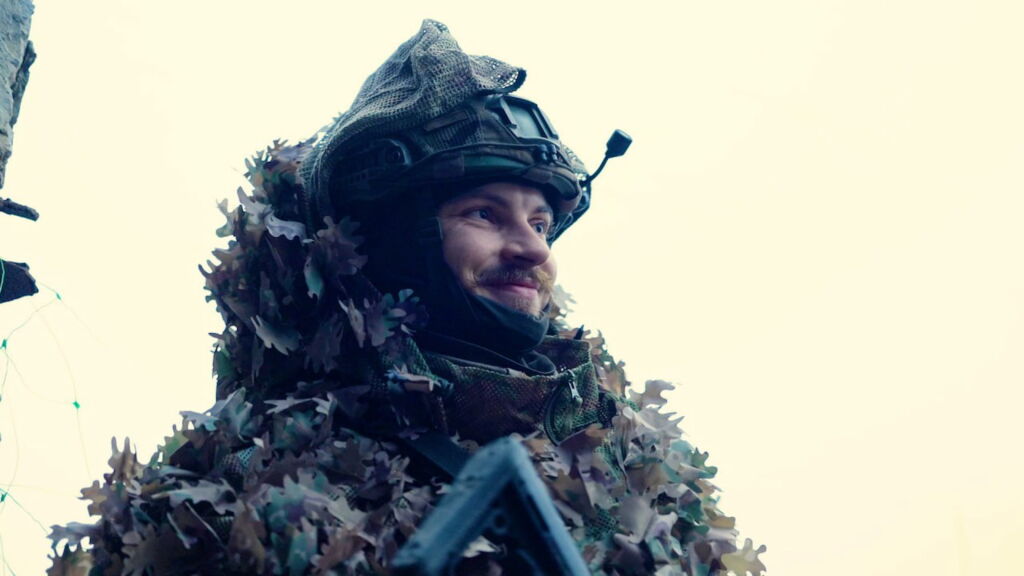
Lieutenant ColonelHe received his education at the National Academy of the National Guard of Ukraine in Kharkiv and served in Donetsk. There, in 2014, he defended a military unit that Russian militants had blockaded for three months. After that, he left the National Guard and served in the police force in Kyiv. He joined Azov in 2023. He served as an instructor at the Special Forces Training Center. He participated in the counteroffensive in Zaporizhzhia, in battles in the Serebryansky Forest, and on the Toretsk and Dobropillia fronts. In 2024, he became deputy commander of the 6th Battalion. Since April 2025, he has been commander of the 1st Battalion.