

Combat Vacancies
Rifleman
Infantry

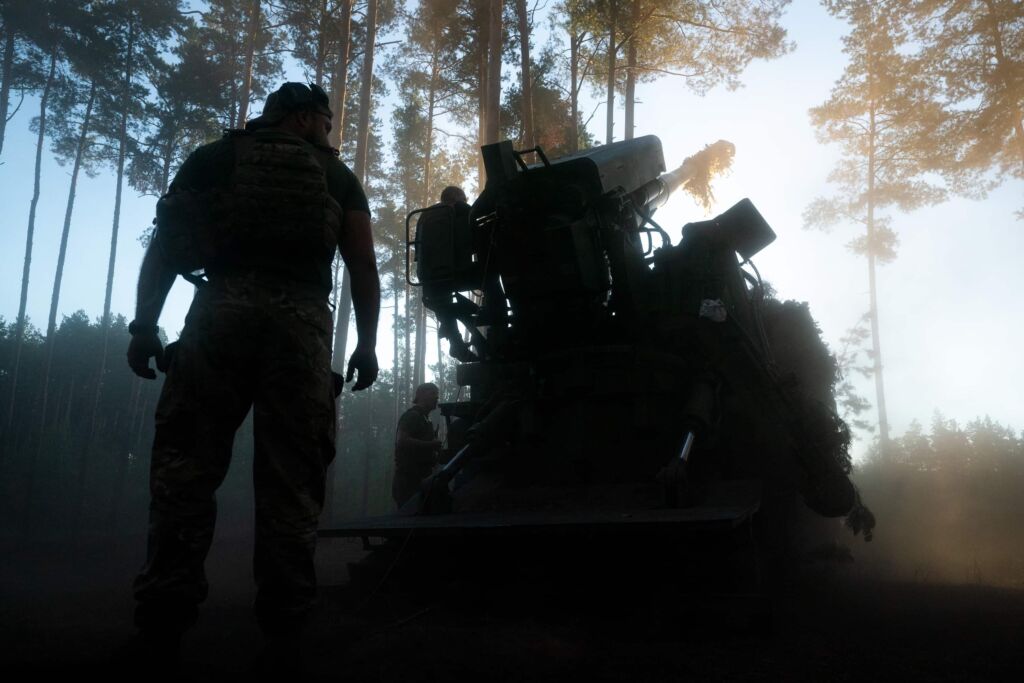
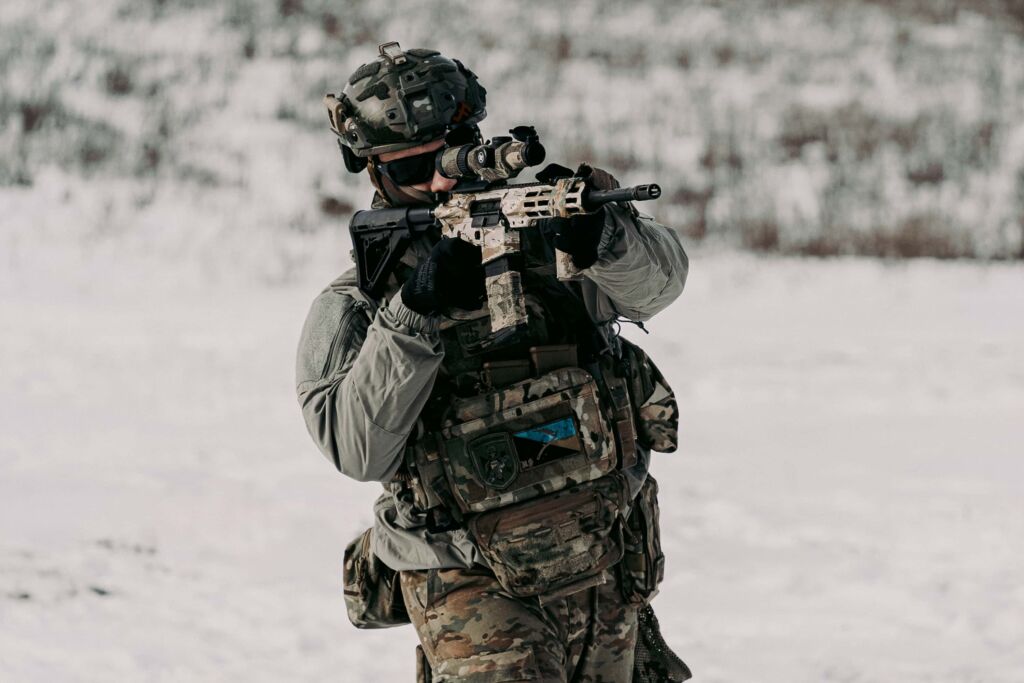
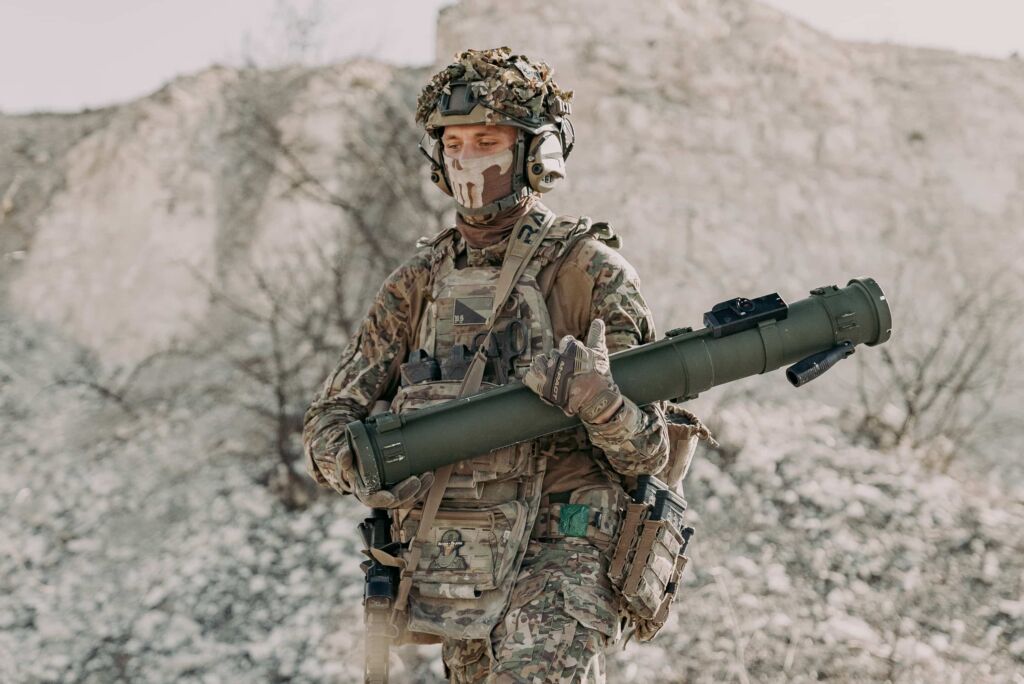
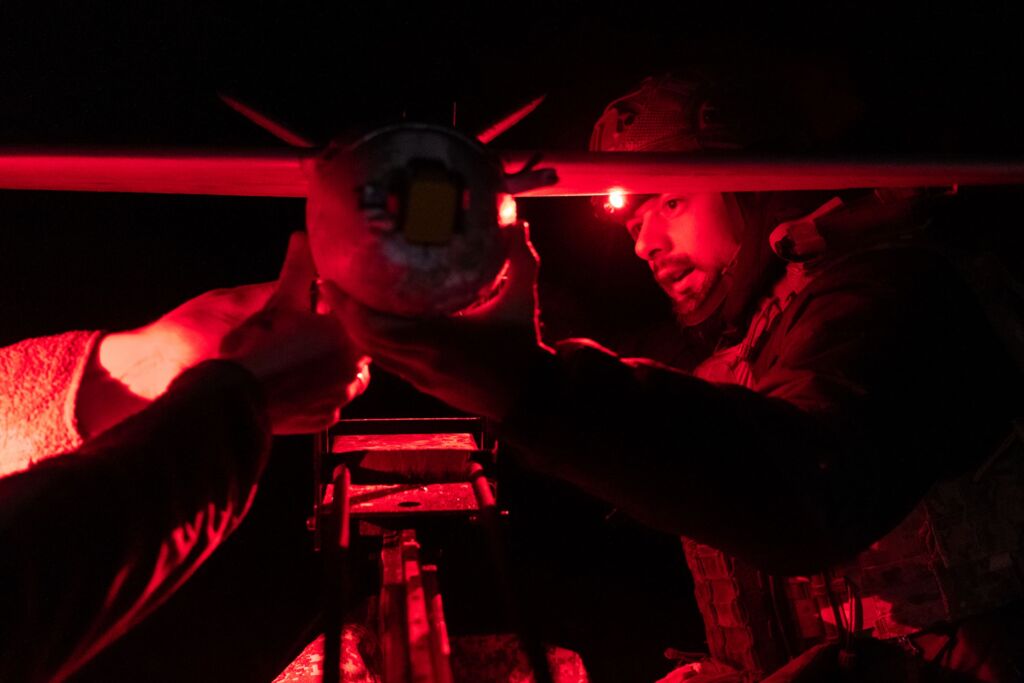
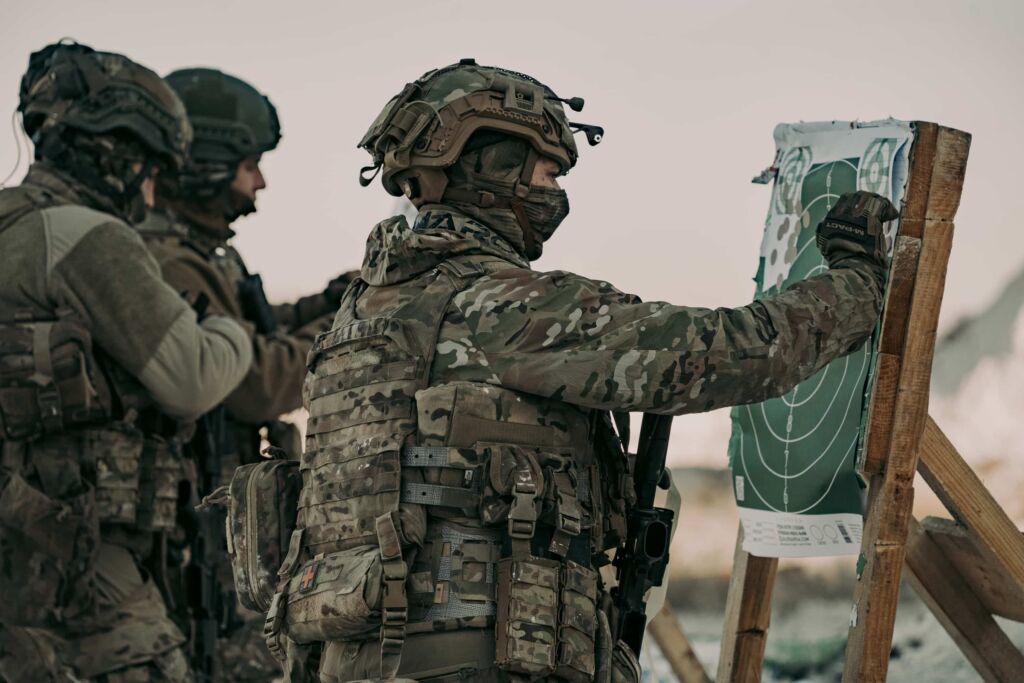
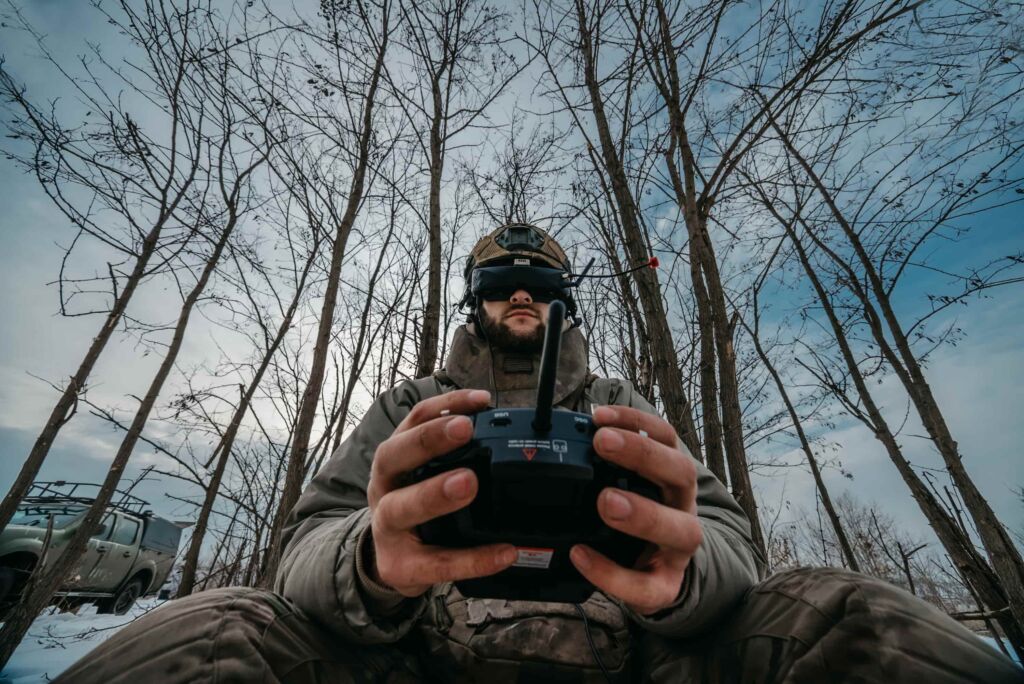
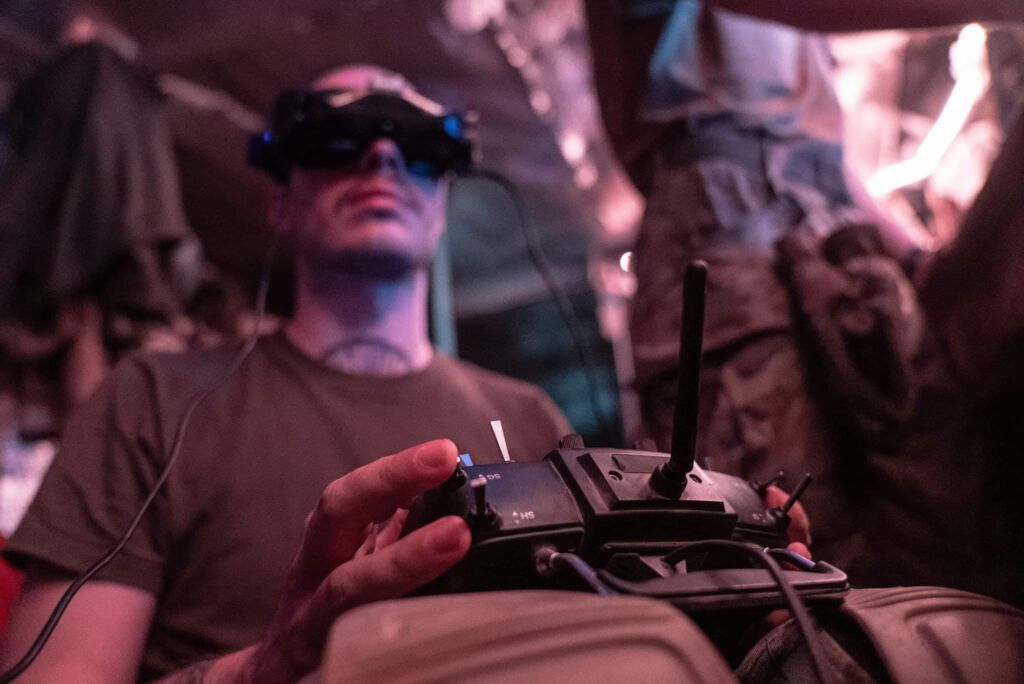
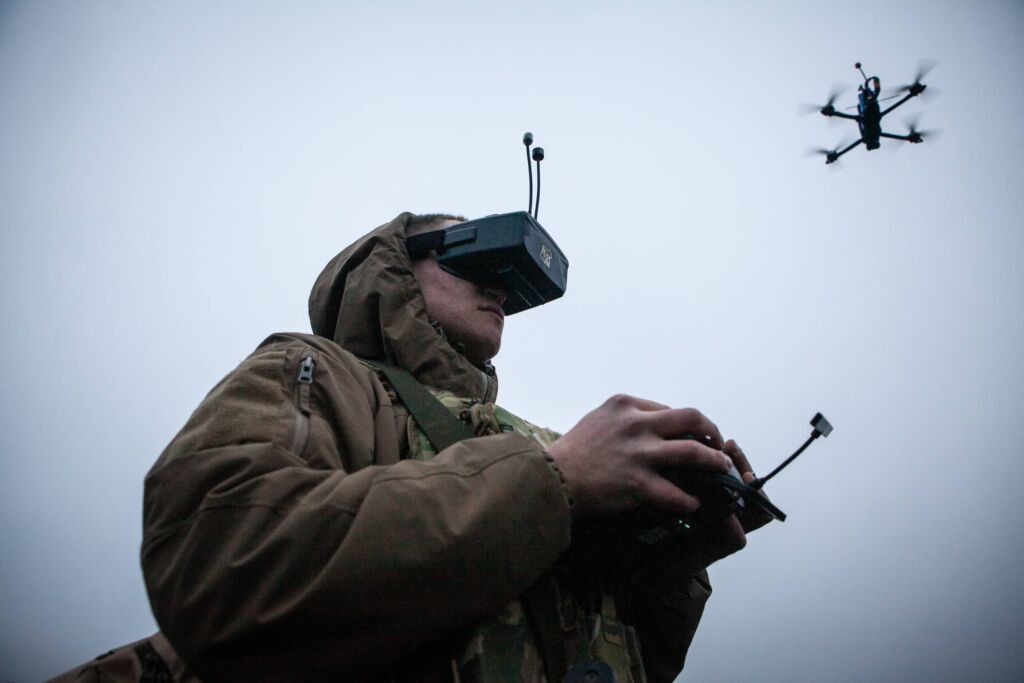
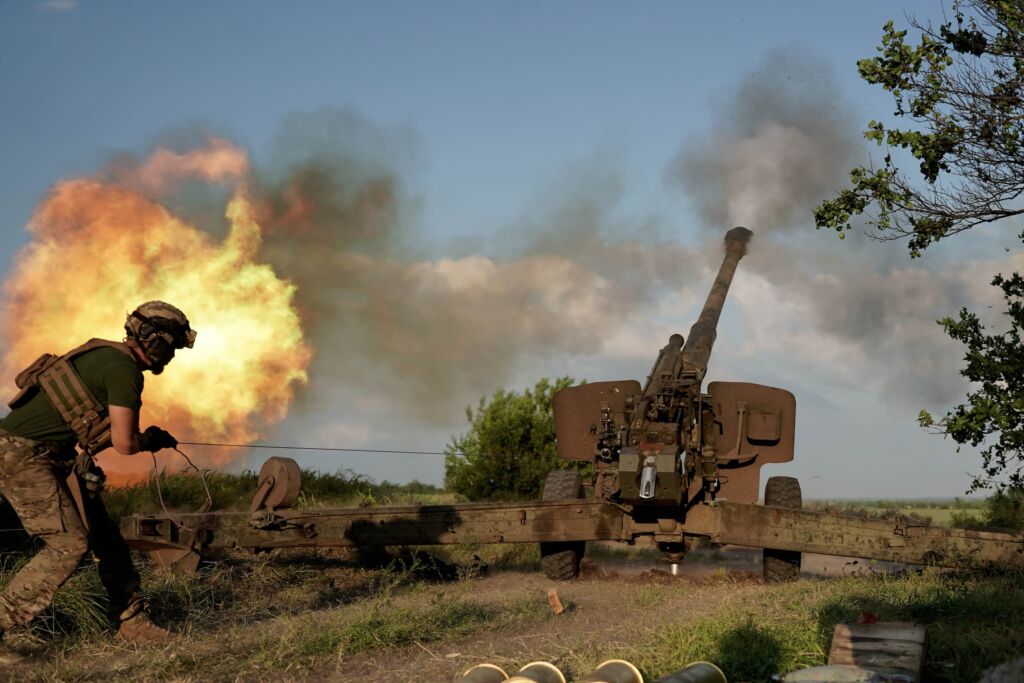
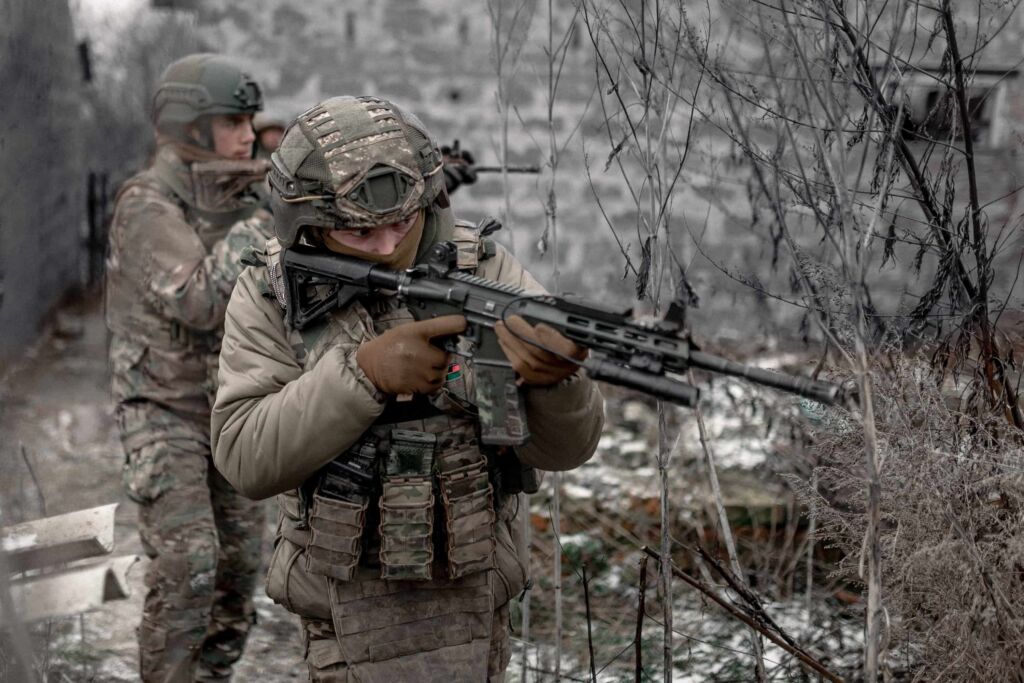
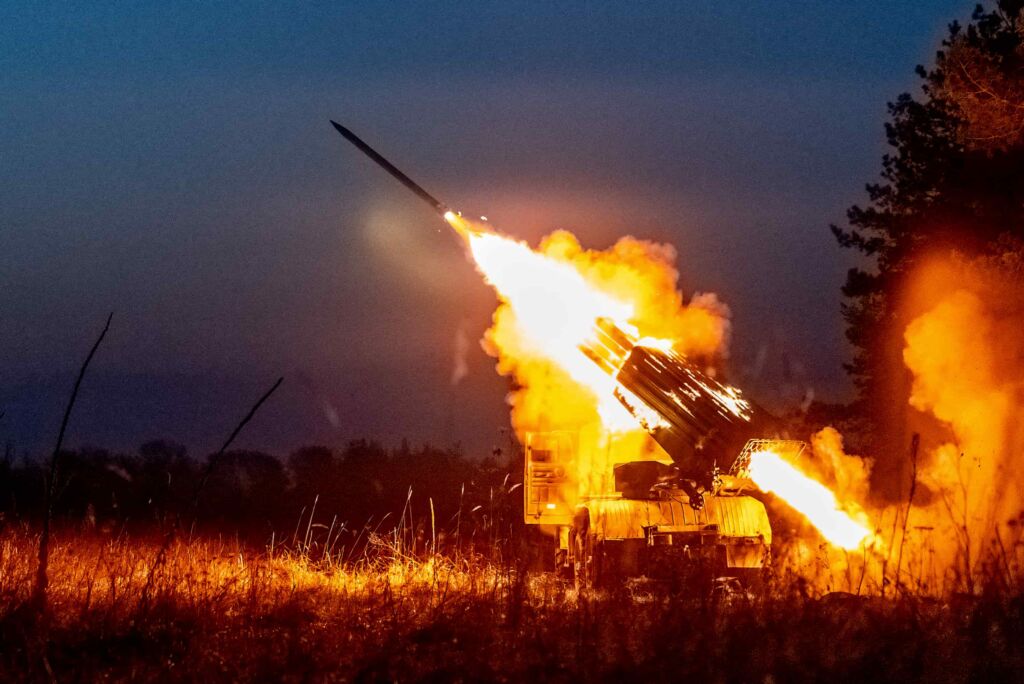
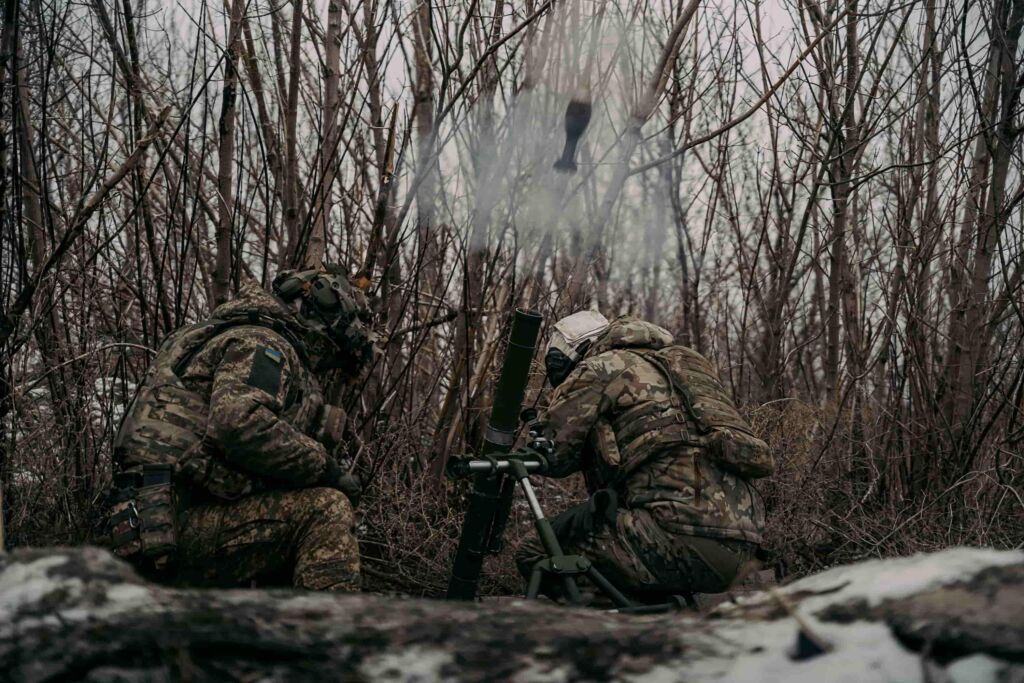
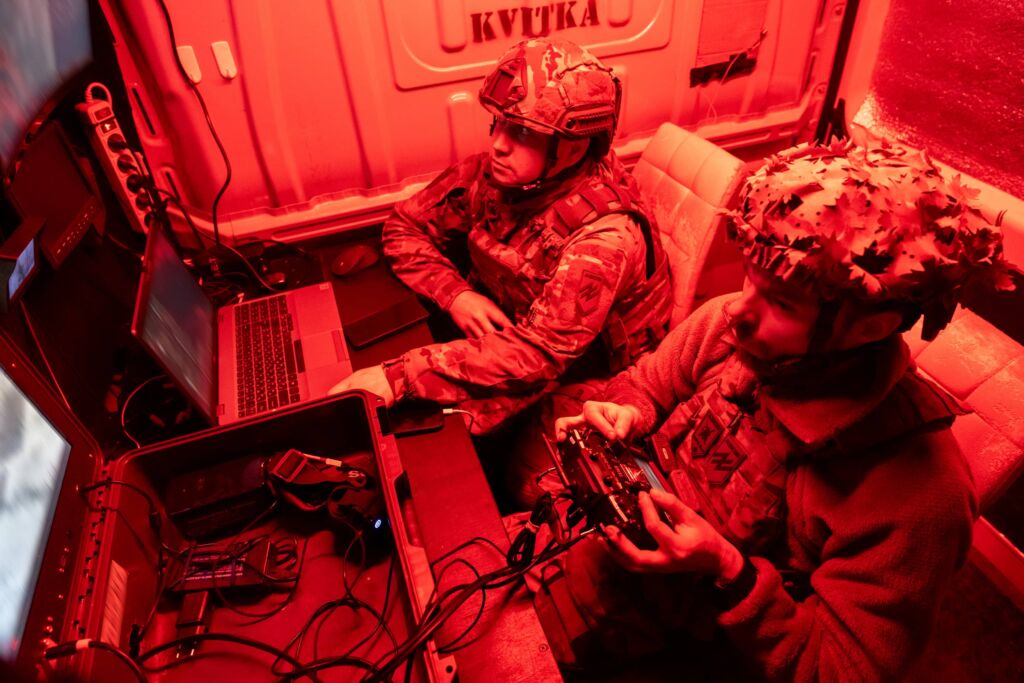
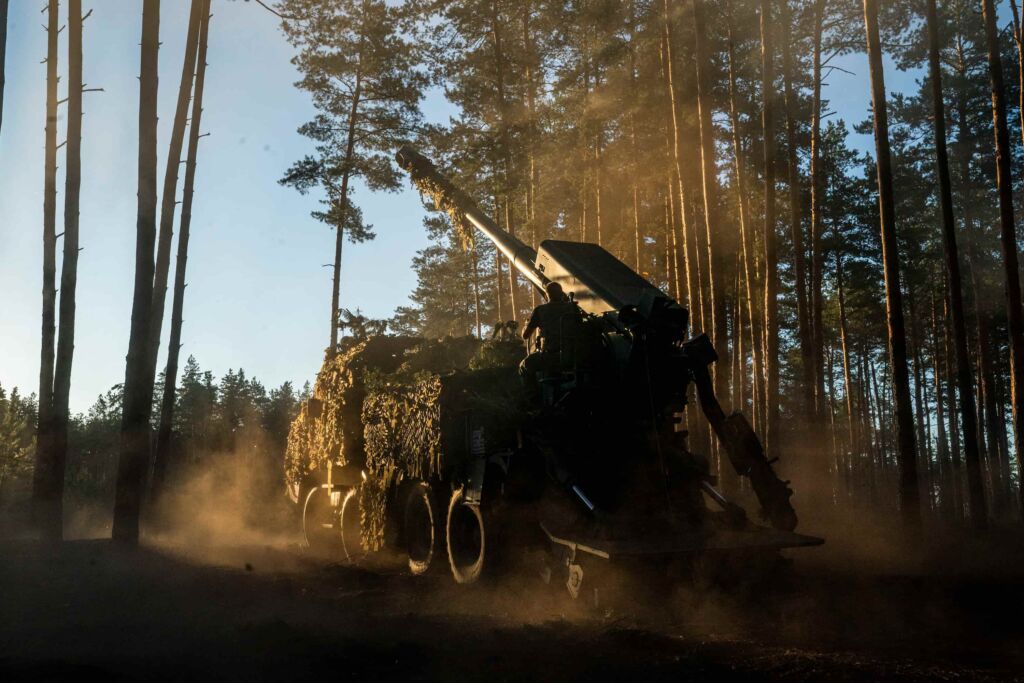
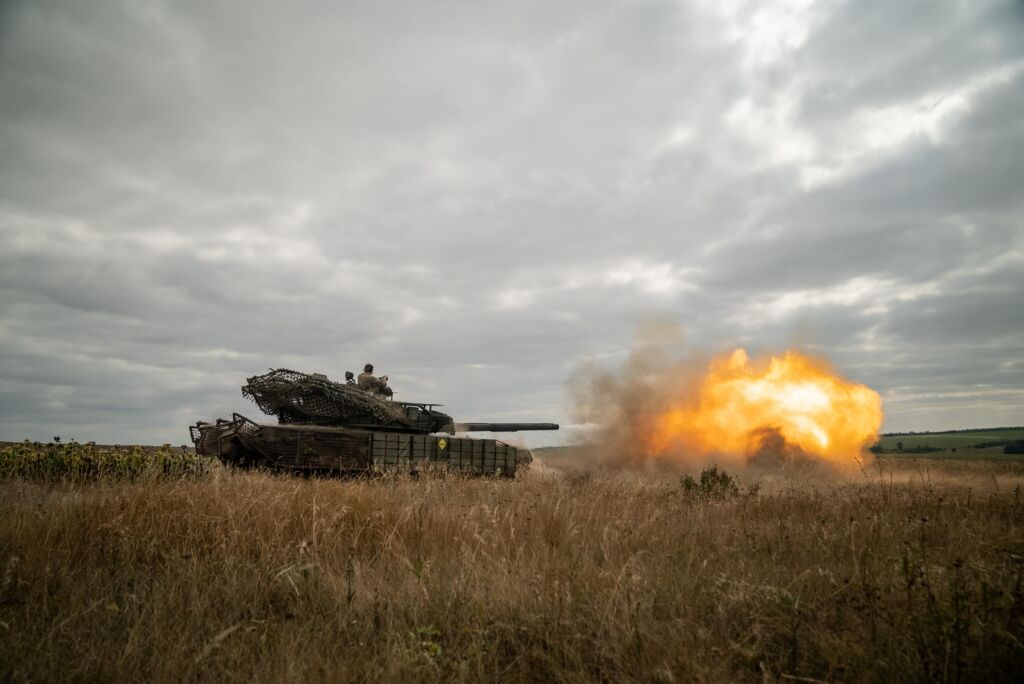
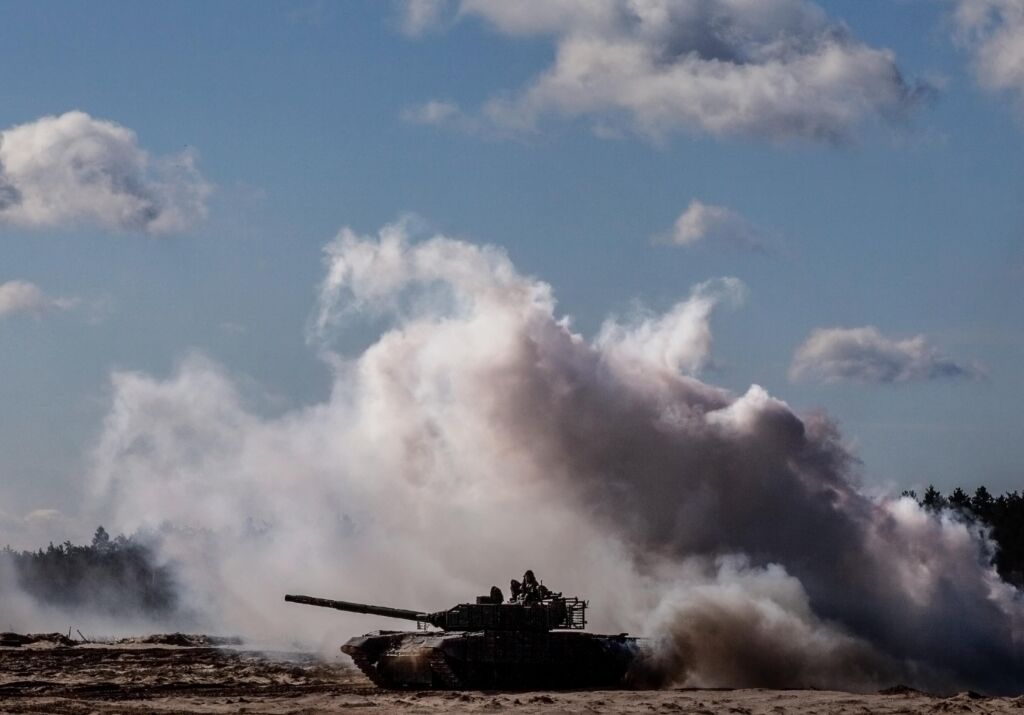
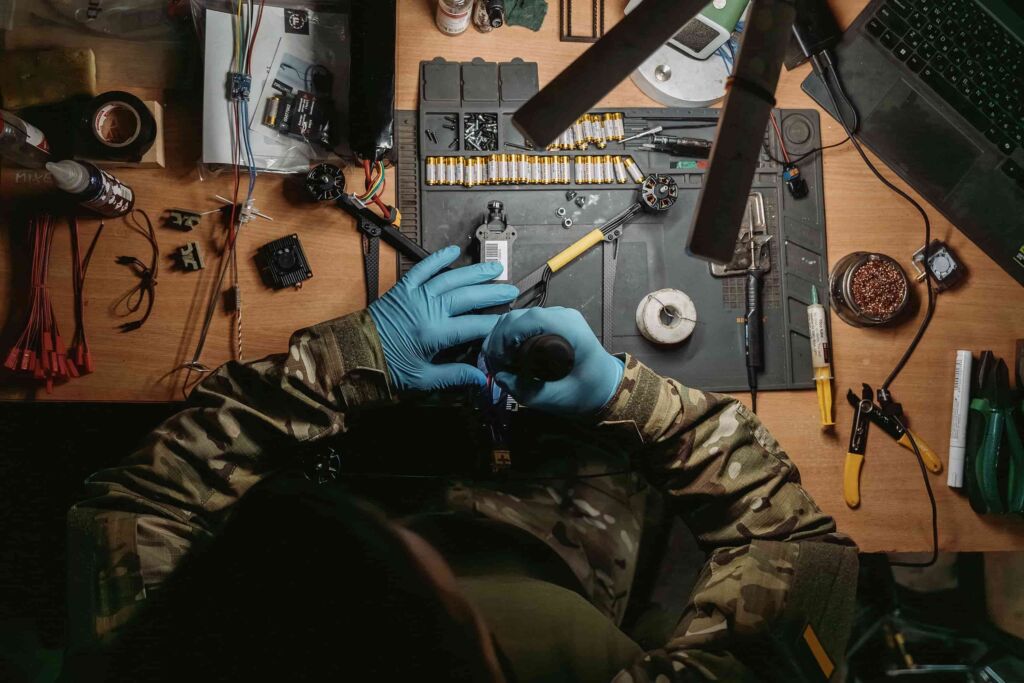
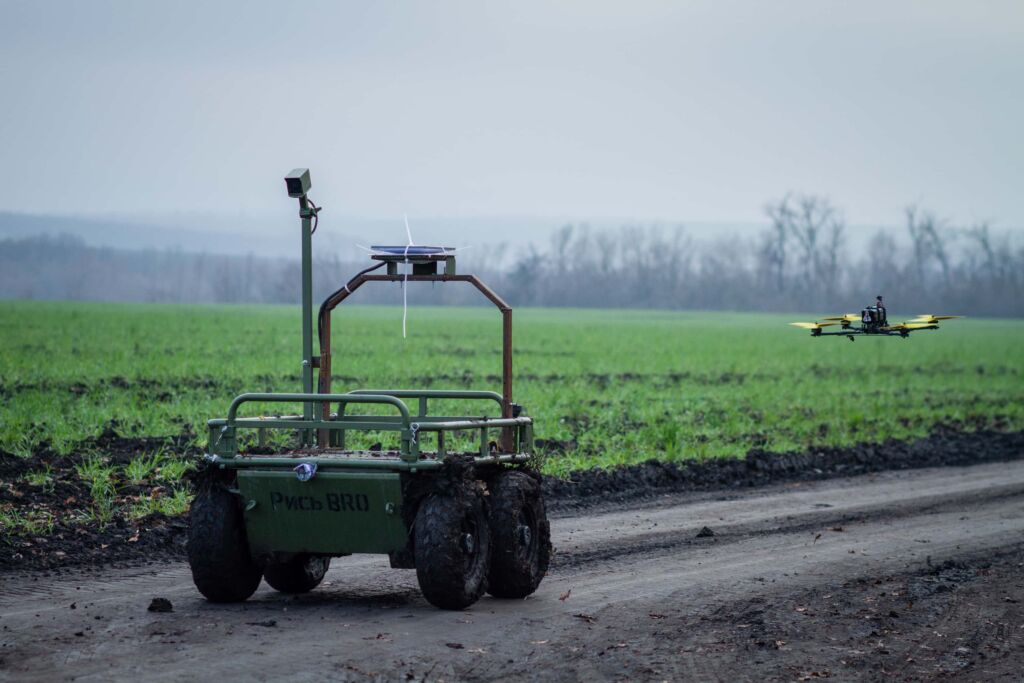
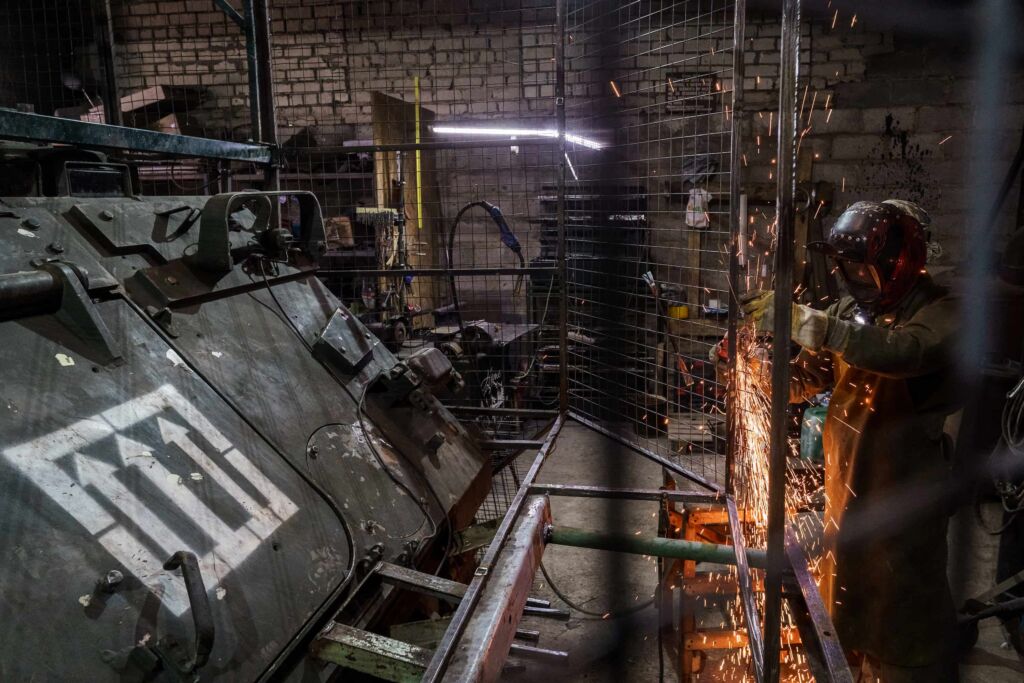
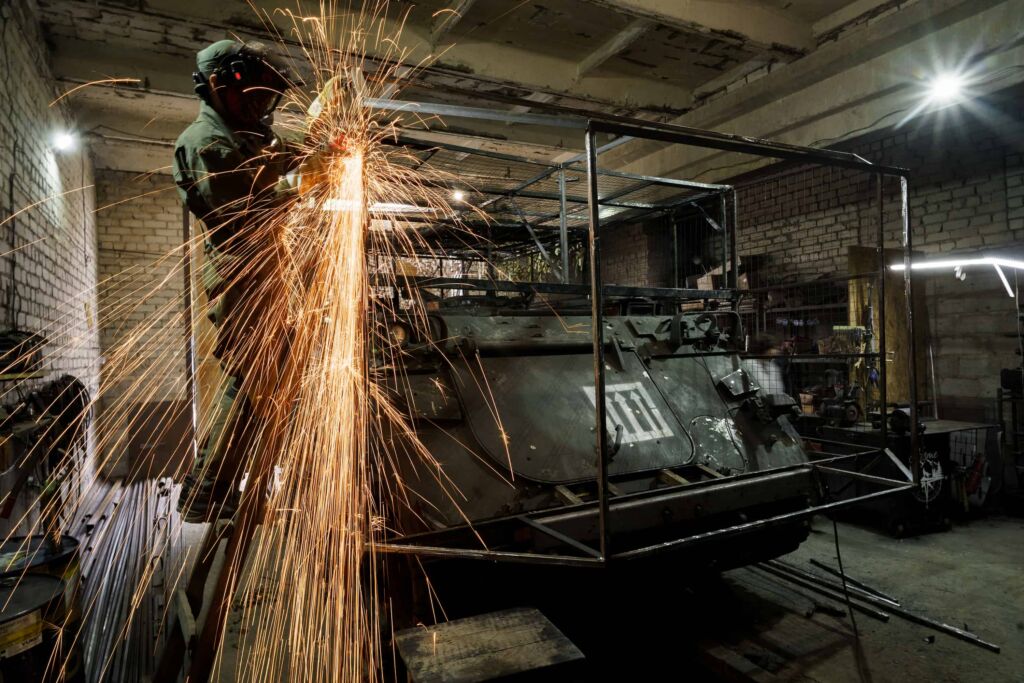
“Azov” has evolved from a group of volunteers, through a battalion, a regiment and a separate special-purpose unit, into a brigade, which in turn formed a corps.
In 2014, there were battles for Mariupol, Maryinka and Ilovaisk; in 2015, the Pavlopil-Shyrokyne offensive operation; and in 2019, combat missions on the Svitlodarsk arc.
Throughout the ATO/JFO, “Azov” developed actively and devised its own system for training fighters. During this time, the unit became one of the most professional and best-trained in the Ukrainian army.
At the start of the full-scale invasion, Azov heroically defended Mariupol for 86 days, after which, on the orders of the high command, they surrendered. The volunteers and Azov fighters who attempted to break the siege on their comrades formed the basis for the unit’s rapid re-establishment and expansion.
Throughout the major war, Azov fighters took part in the counter-offensive in the Zaporizhzhia sector and in stabilising the situation near Terniv. By then, as a brigade, they were involved in battles in the Serebryansky Forest and in the Toretsk and Dobropillia sectors.
Today, “Azov” is one of the most elite units in the world. These are military professionals who are setting the direction for the development of the entire Ukrainian army. Azov’s methods are being adopted not only by the Ukrainian Defence Forces, but also by Western armies.
The “Azov” unit was formed from volunteers who joined the ‘Black Corps’ and began offering armed resistance immediately after the outbreak of the Russian-Ukrainian war; it became a special-purpose police patrol battalion (BPSMOP) under the Ministry of Internal Affairs of Ukraine.
Azov fighters played an active role in the battles for Mariupol from early May until 13 June, when the city was liberated. Azov fighters made a key contribution to the liberation of the town, a mission in which other units of the Ukrainian Defence Forces also took part.
On 4 August, Azov fighters, alongside other units of the Ukrainian Defence Forces, successfully recaptured Maryinka from Russian mercenaries. At that time, Azov had two BMPs, one tank, a KamAZ ‘Pryanik’ and small arms.
On 10 August, Azov fighters joined the battle to liberate Ilovaisk. The fighters took part in assault operations for two weeks, but the Ukrainian military were forced to withdraw from the town at the end of August.
Throughout the autumn and winter, the Azov forces thwarted all attempts by the Russian occupiers to retake Mariupol. In the fighting around the city, they eliminated mercenaries attempting to enter the city and carried out counter-sabotage operations.
The “Azov” Battalion underwent reorganisation and was expanded into a regiment within the Ministry of Internal Affairs on 17 September.
The Azov unit was transferred to the Ukrainian National Guard in order to establish a separate system for recruiting and training personnel, to begin forming its organisational structure and reserve, and to acquire military equipment. This took place officially on 11 November, at which point the unit became a separate special-purpose detachment.
In order to drive the militants away from Mariupol and prevent potential attacks on the city, the Azov Regiment decided to launch an offensive operation. Between 10 and 18 February, Azov forces liberated five settlements – Shyrokyne, Pavlopil, Kominternove, Lebedynske and Berdianske. This enabled them to establish control over the high ground, push back pro-Russian mercenaries by almost 20 km, and reduce the frequency and intensity of shelling on Mariupol.
Azov actively developed its system for training and recruiting personnel. Regular training, coordination exercises and courses for sergeants and officers enabled the unit to become one of the best-trained in the Ukrainian army. At the same time, Azov fighters carried out combat missions on the front line, whilst sniper teams conducted reconnaissance and counter-sabotage operations in the ATO/JFO zone.
The “Azov” battalion tactical group took part in the fighting on the Svitlodarsk arc. In certain areas, the front line shifted 1 km towards the enemy, who suffered losses in personnel and equipment.
NATO standards were actively incorporated into training and preparation for combat missions. The experience of Western armies was utilised and implemented. On this basis, the system for training both recruits and experienced soldiers was improved.
One of the most gruelling phases for Azov was the 86-day defence of Mariupol at the start of Russia’s full-scale invasion. Whilst surrounded, the Azov fighters held back the enemy’s superior forces and prevented them from advancing further into Ukraine. According to official estimates, during the defence whilst fully surrounded, the Azov fighters eliminated around 3,500 occupiers. Between 16 and 20 May, on the orders of the Commander-in-Chief, they surrendered.
Azov fighters who were not stationed in Mariupol, along with volunteers, joined forces to lift the siege on the city, forming a unit that effectively became part of the Azov Special Operations Forces and carrying out combat missions in the south. They formed the core that rebuilt and expanded Azov.
On 29 July, the Russians carried out a terrorist attack against captured Azov fighters. The occupiers detonated an explosion in one of the barracks, killing 53 fighters and injuring 130.
In February, a separate special forces detachment was expanded into a brigade, which became part of the “Assault Guard”.
“Azov” took part in the counter-offensive as part of a battalion tactical group.
The Azov Brigade was tasked with taking up a sector of responsibility in the Kreminna area. In the Serebryansky Forest, the Azov fighters not only held their ground but also repelled the enemy.
As part of a battalion tactical group, Azov fighters were deployed to one of the most challenging sections of the front line near Terniv to repel enemy assaults and stabilise the situation.
Azov took up a sector of responsibility in one of the most intense sections of the front line – near the village of New York. The Azov fighters stabilised the situation, successfully held their defences and launched counter-attacks.
The unit has moved to a new sector to plug the breach made by the Russian army near Dobropillia, where it continues to hold back the Russian advance and launch counterattacks.
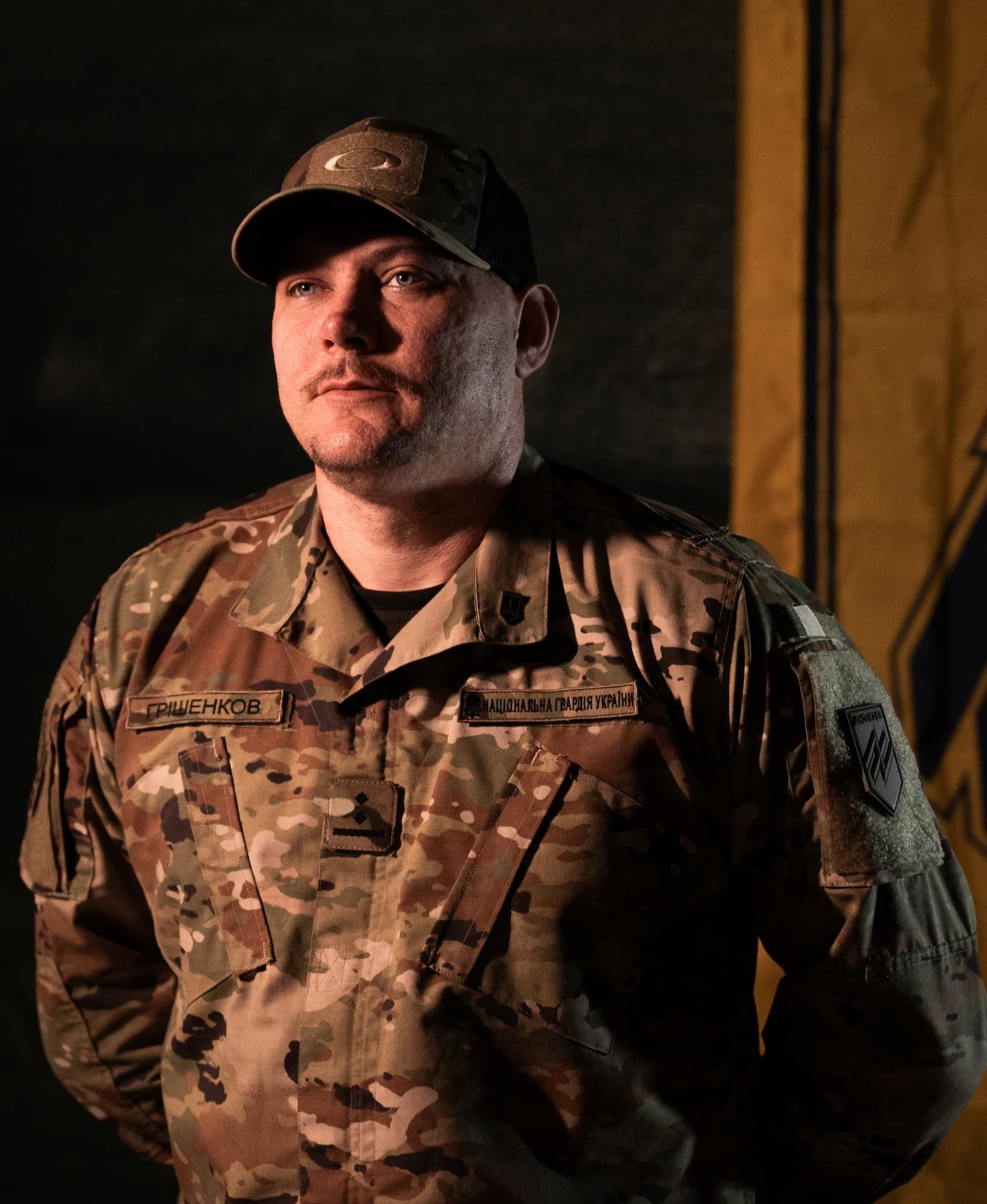
He joined Azov in May 2015. In February 2020, he was appointed commander of one of the companies. He took part in the defence of Mariupol in 2022, sustaining a gunshot wound. He was taken prisoner from Azovstal and survived a terrorist attack in Olenivka, during which he sustained shrapnel wounds and lost two toes. He returned from captivity in September 2022. In July 2023, he was appointed first deputy commander of the 1st Battalion. In February 2024, he became battalion commander. Since April 2025, he has been brigade commander.
During his years of service in ‘Azov’, ‘Pugach’ has been awarded state and departmental honours of Ukraine. These include the Order of Bohdan Khmelnytsky, 2nd class; the Order of Bohdan Khmelnytsky, 3rd class; the Order ‘For Courage’, 3rd class; the Presidential Award ‘For the Defence of Ukraine’; the Presidential Commendation ‘For Participation in the ATO’, the ‘Military Honour Cross’ badge, the ‘Silver Cross’ badge, the Ministry of Internal Affairs departmental commendation ‘Firearms’, the ‘Shield of the Victor’ honorary badge, Badge ‘For Fortitude’, Badge ‘For Bravery in Service’, Badge ‘For Valiant Service’, Badge ‘For Distinction in Service’, Commemorative Badge ‘Defender of Mariupol’.


