The unit was formed in 2015—this took place in late spring and early summer. At that time, the unit was known as a sniper platoon. They carried out missions near Shyrokyne and Vodyane. Initially, there were about 12 people, who were recruited from various battalions of what was then the Azov Regiment. The fighters were trained by veterans of the SBU’s “Alpha” Special Operations Center and former members of the Ministry of Internal Affairs’ “Sokil” special unit. This initiative was launched and led by a friend named “Khvat.”
Special Forces Sniper Detachment 12th Special Forces Brigade “Azov”
About unit
The Azov sniper unit was formed in 2015 under the command of “Khvat.” It was primarily composed of snipers from the regiment’s battalions, and their training was conducted by veterans of the “Alpha” Special Operations Center and the “Sokil” special forces unit. The unit carried out sniper and counter-sniper missions across the entire ATO/JFO front line—from Shyrokyne to Stanytsia Luhanska—operating primarily in the hottest sectors.
Their operations centered on entering the gray zone, conducting covert surveillance, and engaging the enemy from unexpected positions. The unit continuously refined its training, conducted rigorous selection of fighters, and trained snipers from other units. During the defense of Mariupol, the sniper group became one of the most effective units in the garrison.
Symbols
History
They carried out sniper and counter-sniper missions along the entire ATO/JFO front line—from Shyrokyne and Vodyane to the forests near Stanytsia Luhanska. The unit operated in the hottest sectors: the Svitlodarsk arc, Avdiivka, Pisky, the outskirts of Donetsk Airport, Maryinka, Dokuchaievsk, and Kominternove. Their operations centered on incursions into the gray zone, covert surveillance, and engaging the enemy from unexpected positions.
During the defense of Mariupol, the unit became one of the most effective in the garrison, despite its small size. The soldiers operated under the most difficult conditions and carried out their missions to the very end.
In the spring of 2023, the unit was reorganized to form a sniper company. It was led by “Mekhanik,” who was released from captivity in 2023.
Snipers were constantly engaged in combat operations in the Lyman, Toretsk, and Dobropillia sectors, assisting other battalions and companies of the brigade in repelling the Russian aggression.
In November, the sniper unit was reactivated under new leadership. The unit is currently continuing to develop and expand its personnel.
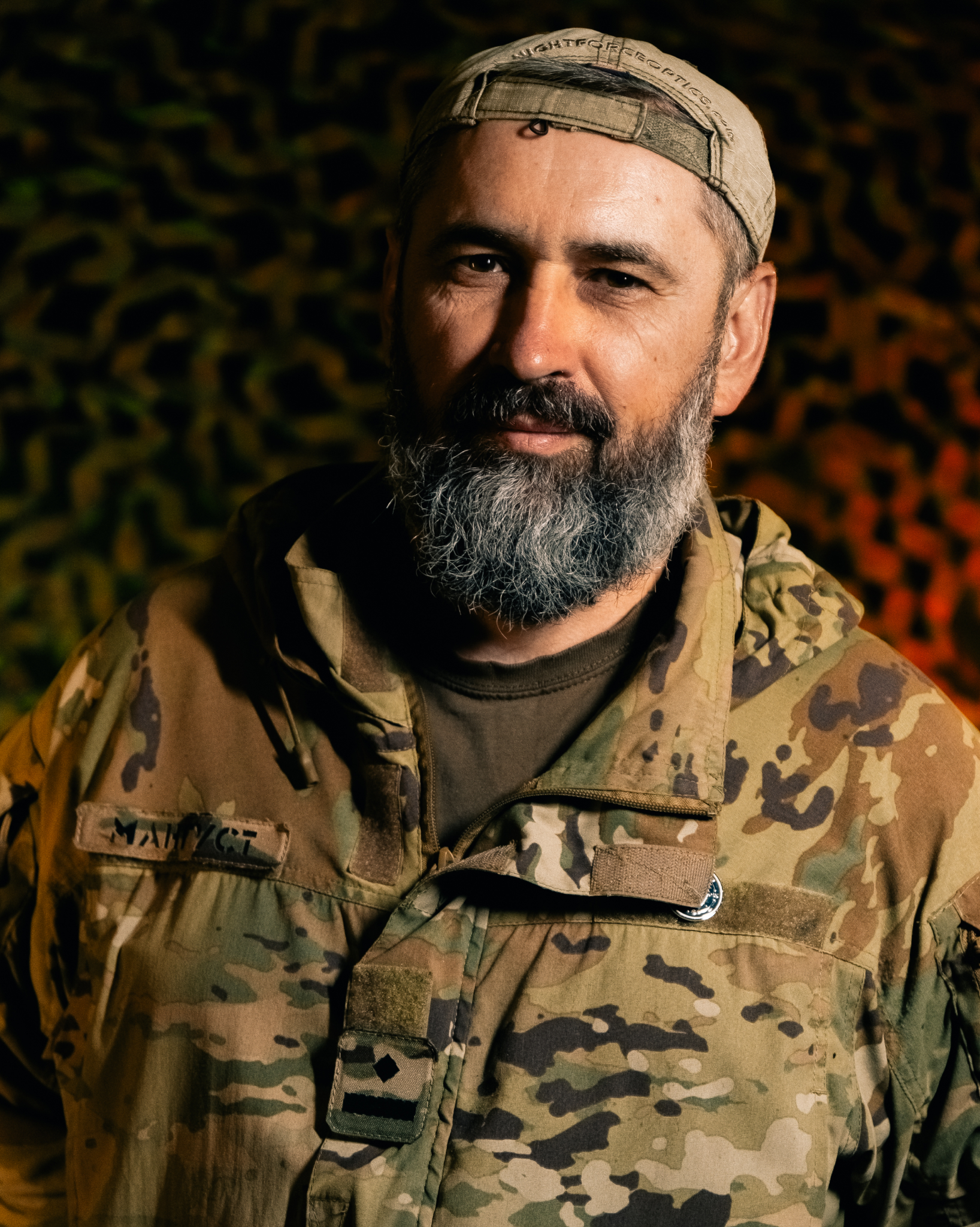
Commander