The establishment of the regimental standard-bearer corps and the inception of the first traditions, including the “Day of the Dead” ritual.
Khorunzha Service 12th Special Forces Brigade “Azov”
About unit
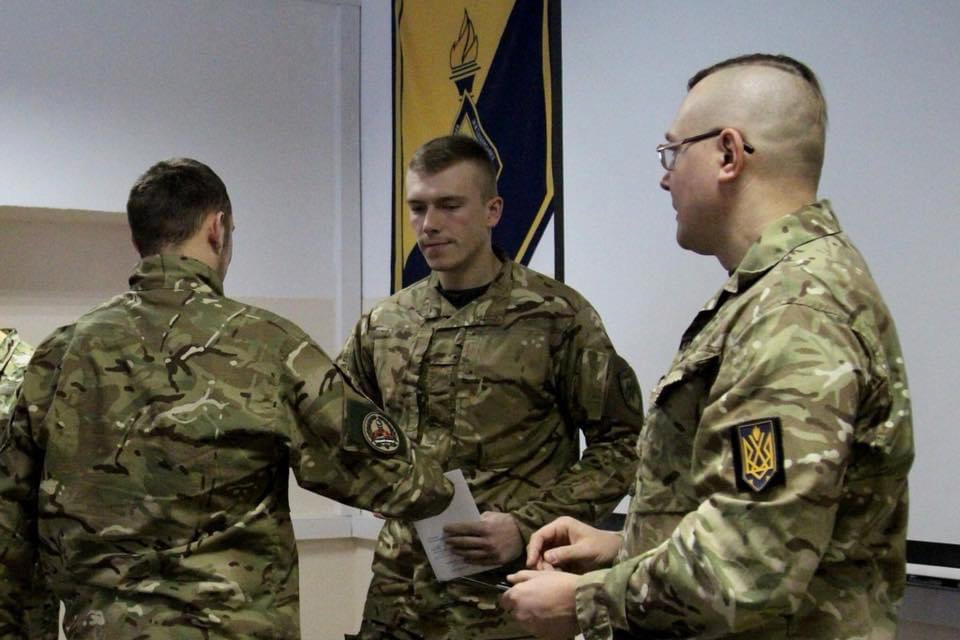
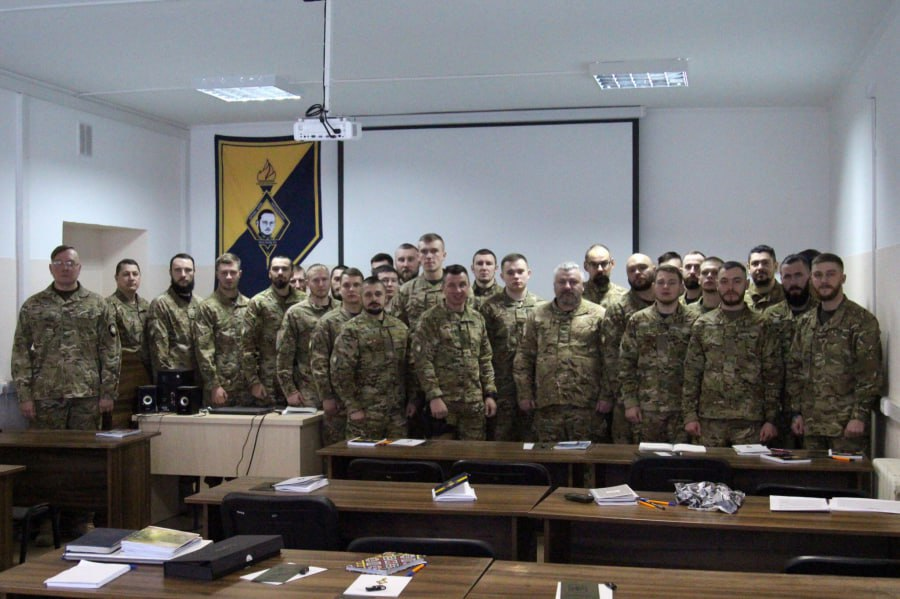
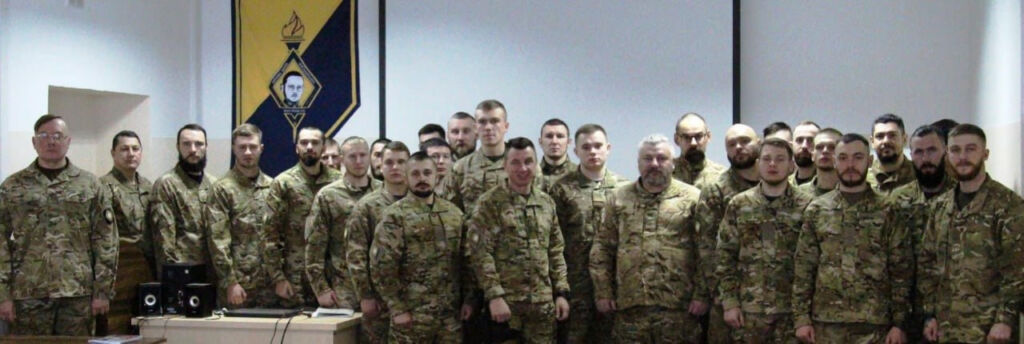
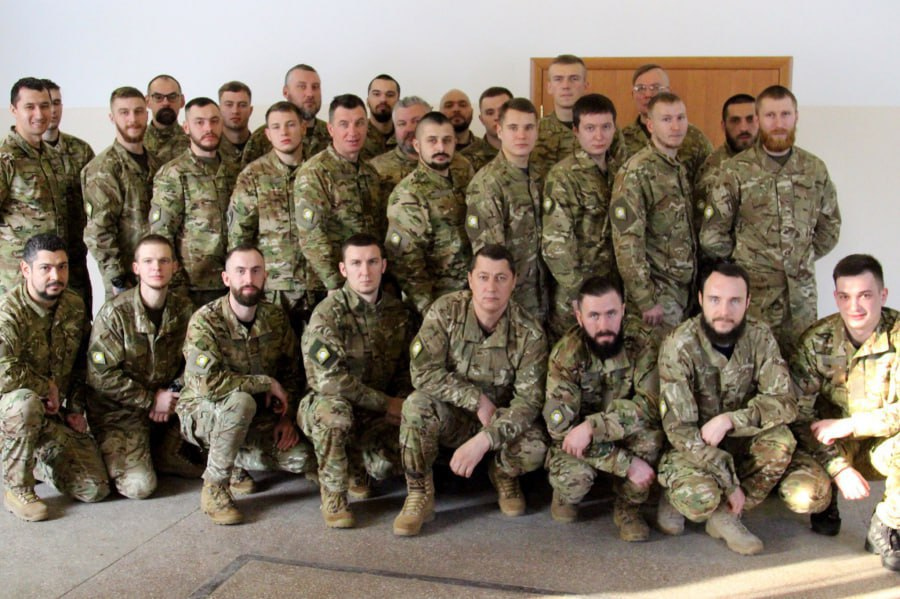
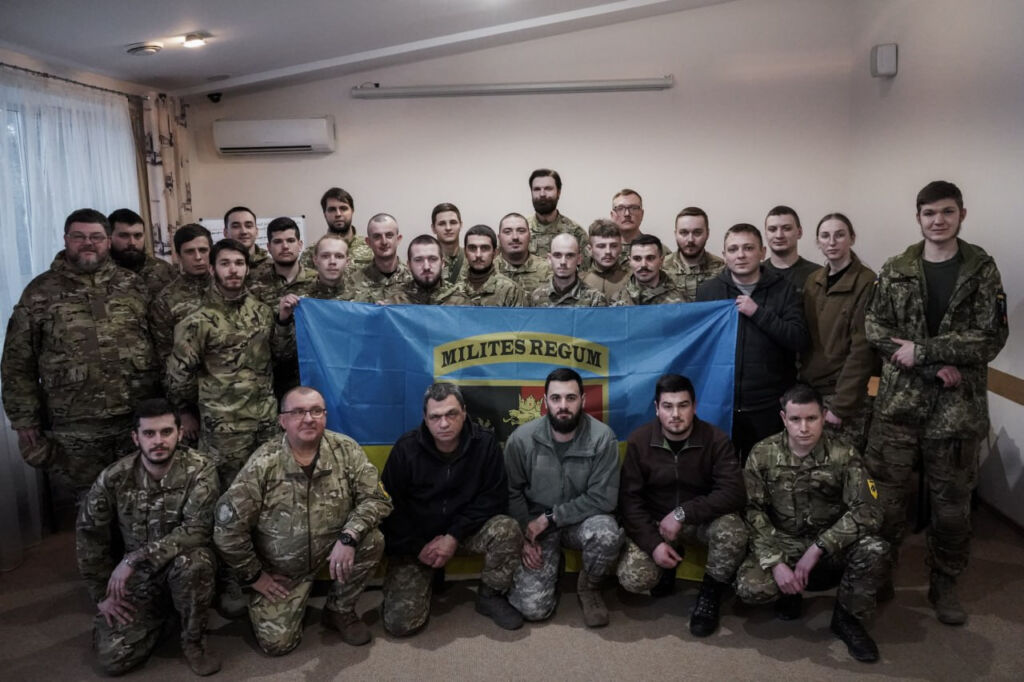
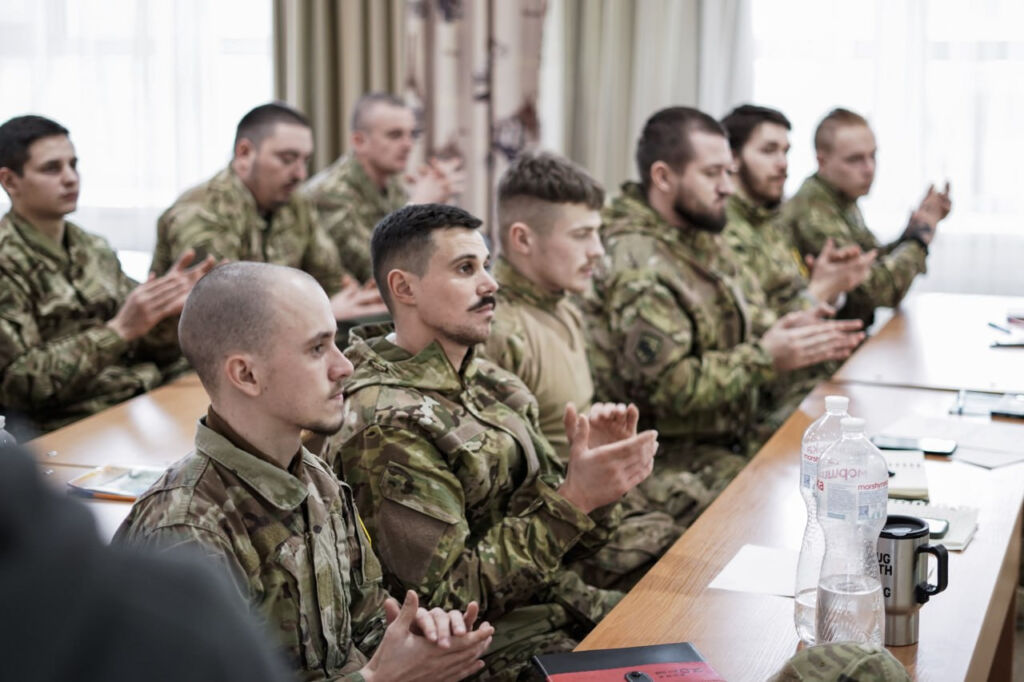
The Horunzh Service is a unit of the National Guard of Ukraine’s 12th Special Forces Brigade “Azov” responsible for ideological training, the moral and psychological well-being of personnel, and the preservation of military traditions. The service was established in December 2015 at the initiative of veterans from the “Spider,” “Spolokh,” and “Buba” regiments. The main goal was to move away from the outdated Soviet system of political instructors and introduce a modern model for motivating service members.
The title “horunzhy” has historical roots dating back to the era of the Ukrainian Cossacks. In the 17th and 18th centuries, a horunzhy was the guardian of the regimental flag (horugva) and an expert in military ceremonies. Today, Azov’s horunzhy serve as the brigade’s ideological shield. Their main weapons are tradition, intellect, and strength, which they continue to cultivate among their comrades and extend to society at large.
Main Areas of Activity:
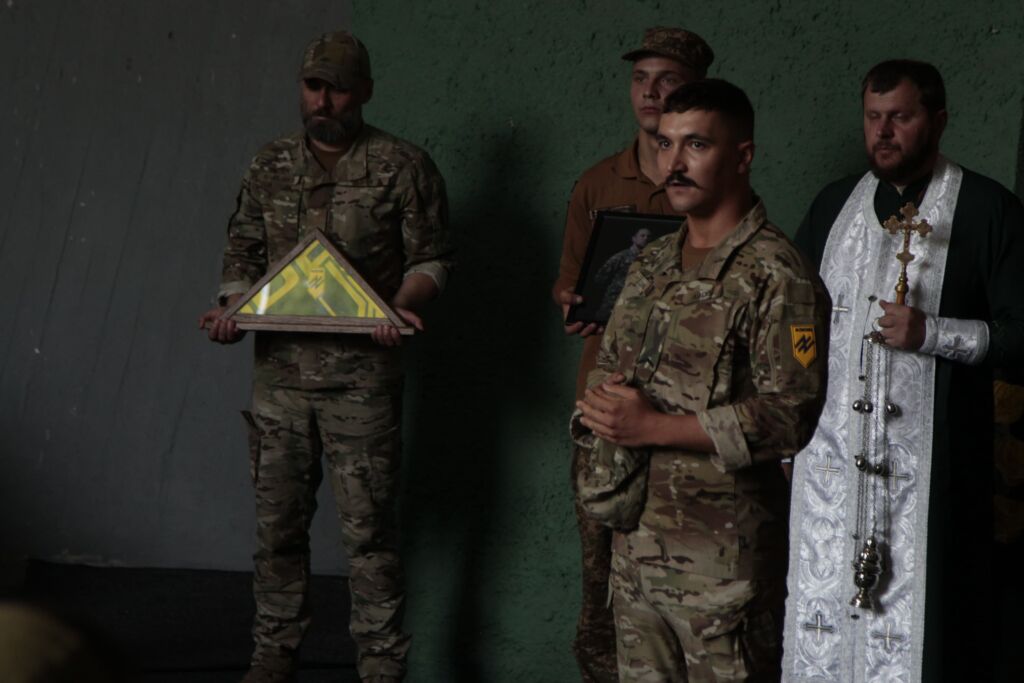
- Military culture: developing and implementing rituals, such as the military salute or organizing Memorial Day for the Fallen.
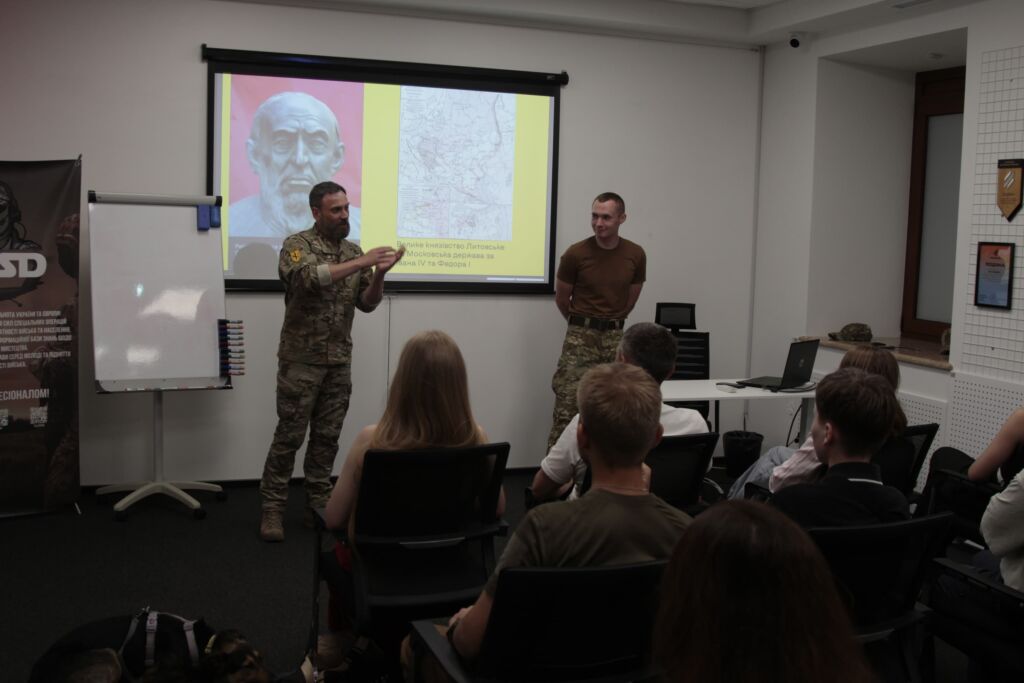
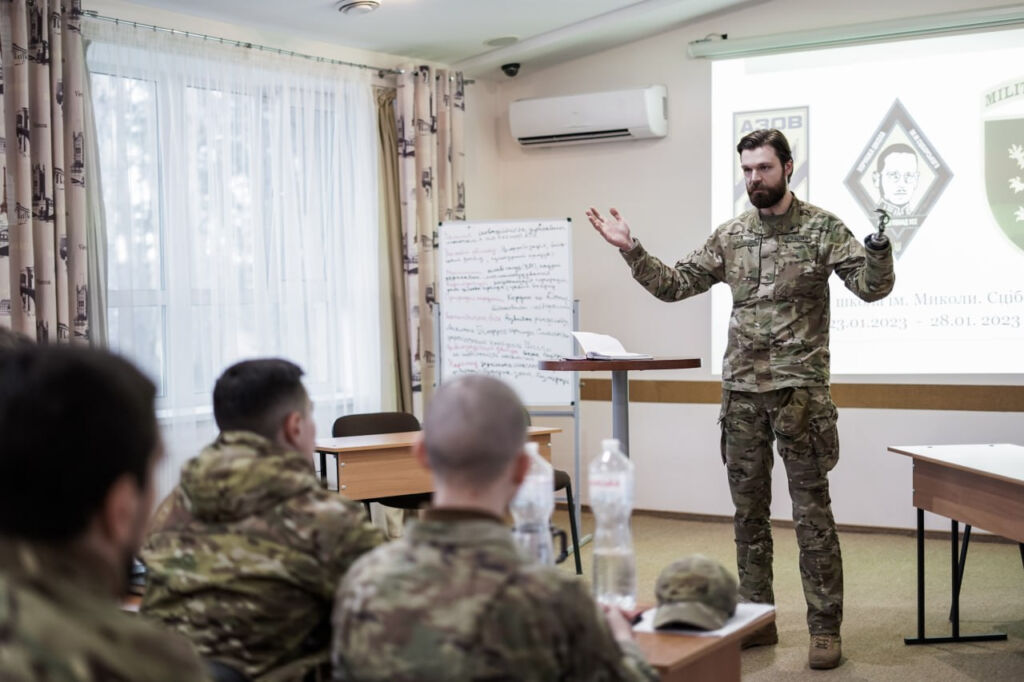
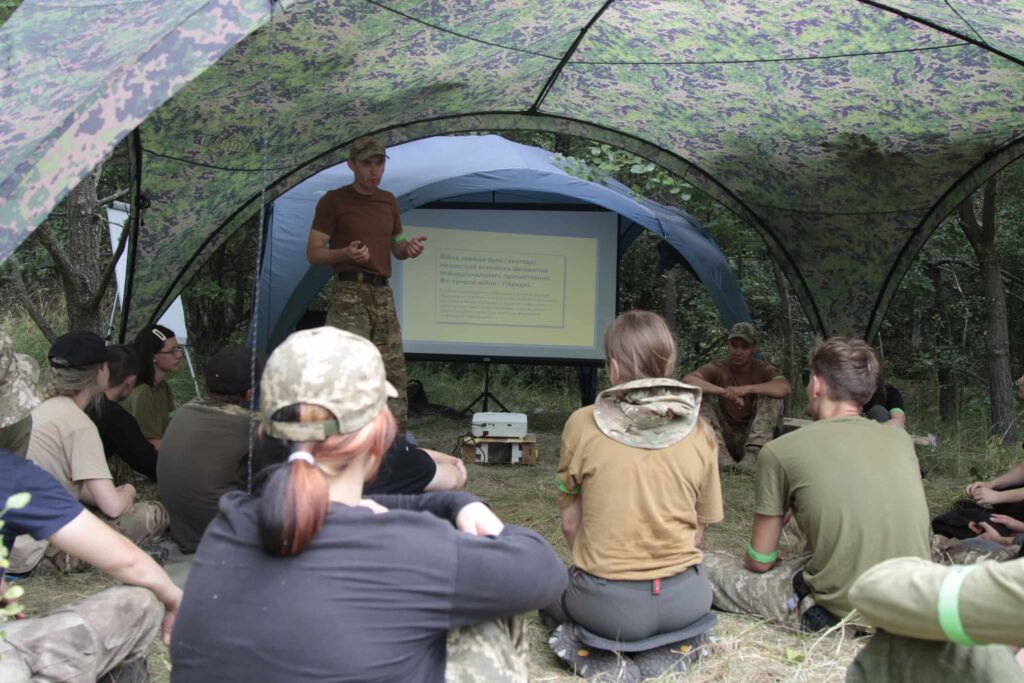
- Educational work: regular lectures on military history, geopolitics, and psychology; creation of brigade libraries.
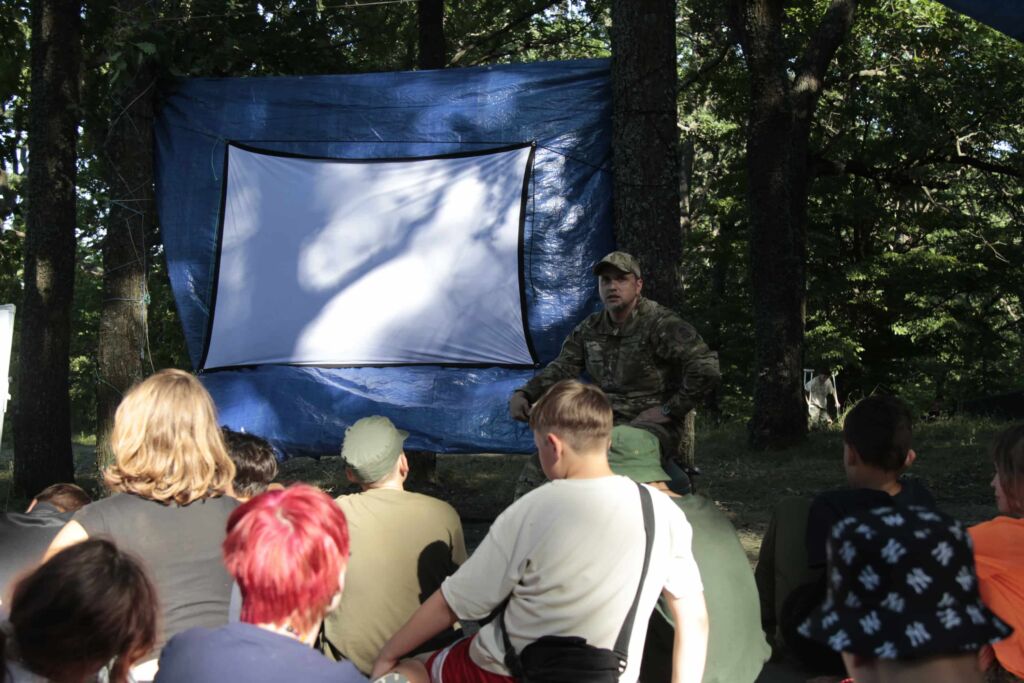
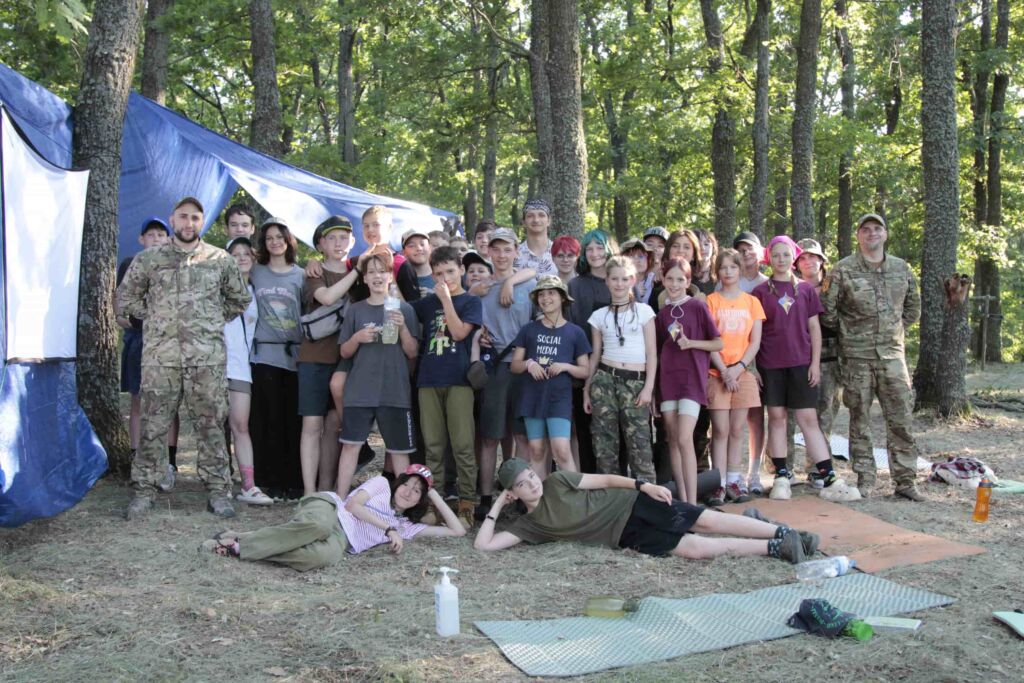
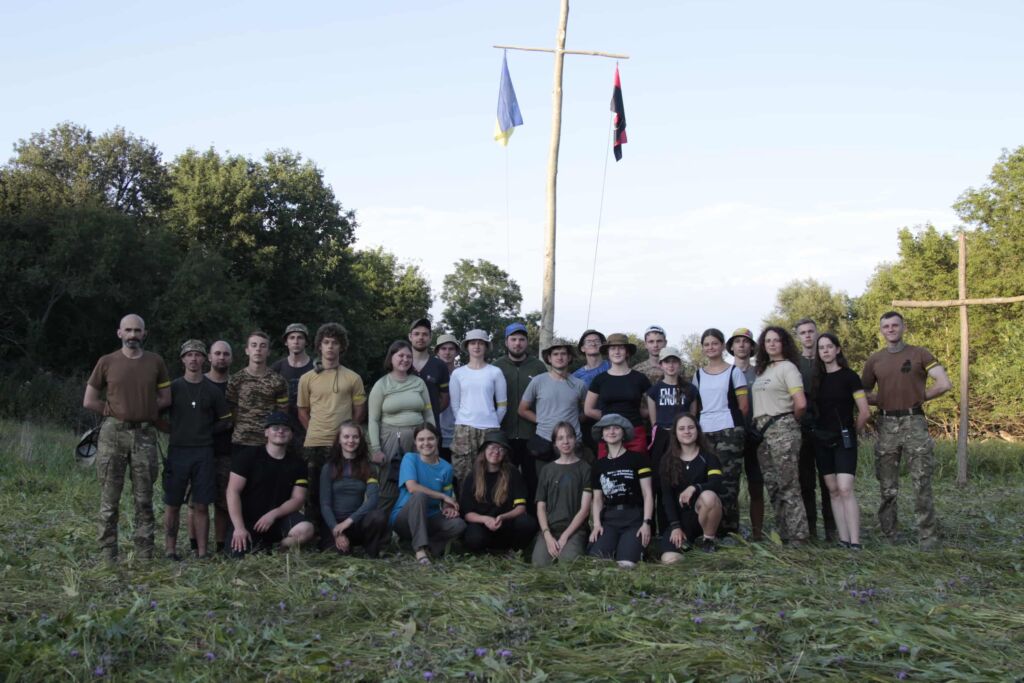
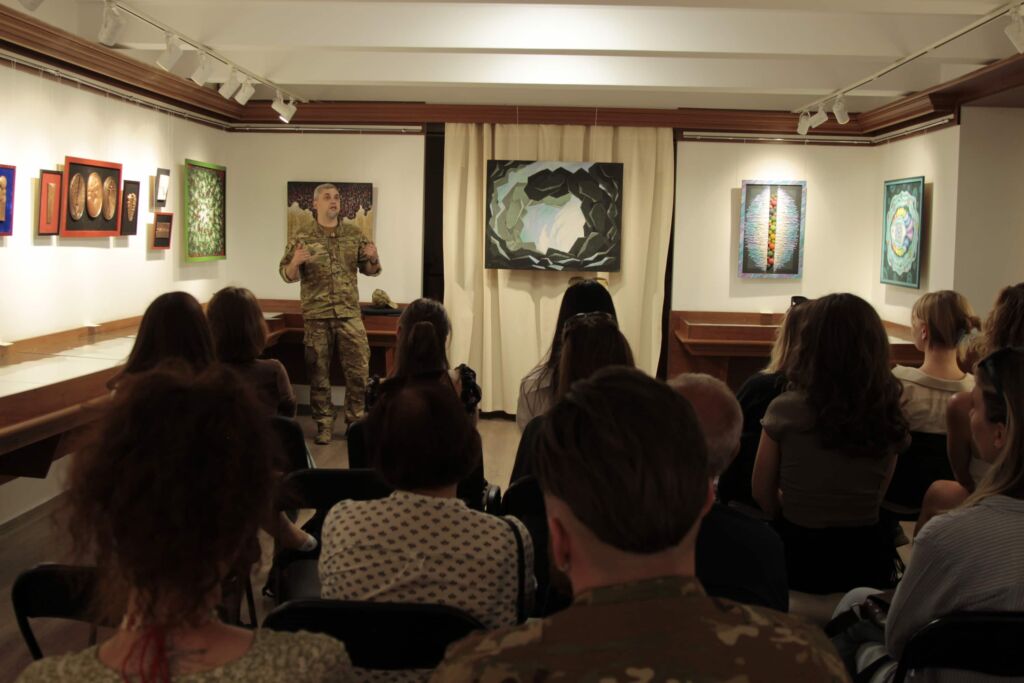
- Civil-military cooperation: the service has not ceased its work with the community since the start of full-scale war. The experience of organizing Mariupol training camps and festivals (notably “Free Mariupol”) is being successfully scaled up. Currently, the Horunzhi continue to actively engage with civilians: they conduct historical lectures and educational events in schools, organize modern ethnic festivals, and coordinate recreational and rehabilitation programs for children.
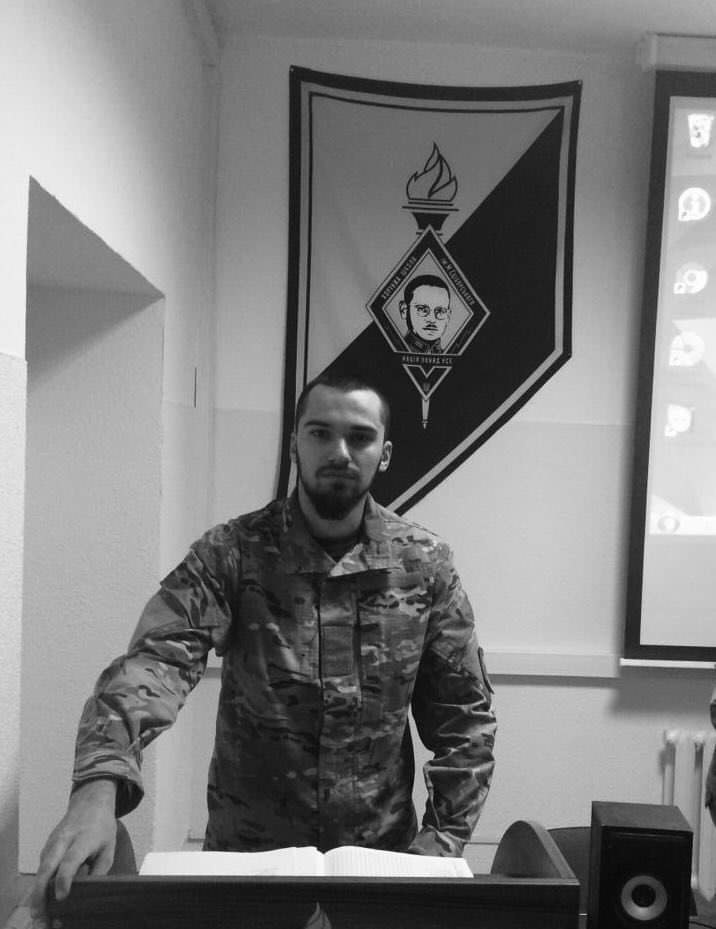
To provide professional training, the Ensign School named after Lieutenant Colonel Mykola Stsiborsky of the Ukrainian People’s Republic Army began operations in November 2017. The course curriculum covered military pedagogy, history, psychology, and leadership. A unit whose soldier successfully completed the training was granted the right to its own battle flag (horunzhya).
During the full-scale invasion in 2022, the ensigns took part in the battles for Mariupol. Under siege conditions, they also evacuated civilians, set up shelters, and published the daily newsletter “Mariupol Defense Headquarters Reports!”
The unit’s soldiers distinguished themselves during the defense of Mariupol and gave their lives in battle (among them Comrade “Molnezar” and Comrade “Colt”). Some of the ensigns were taken prisoner.
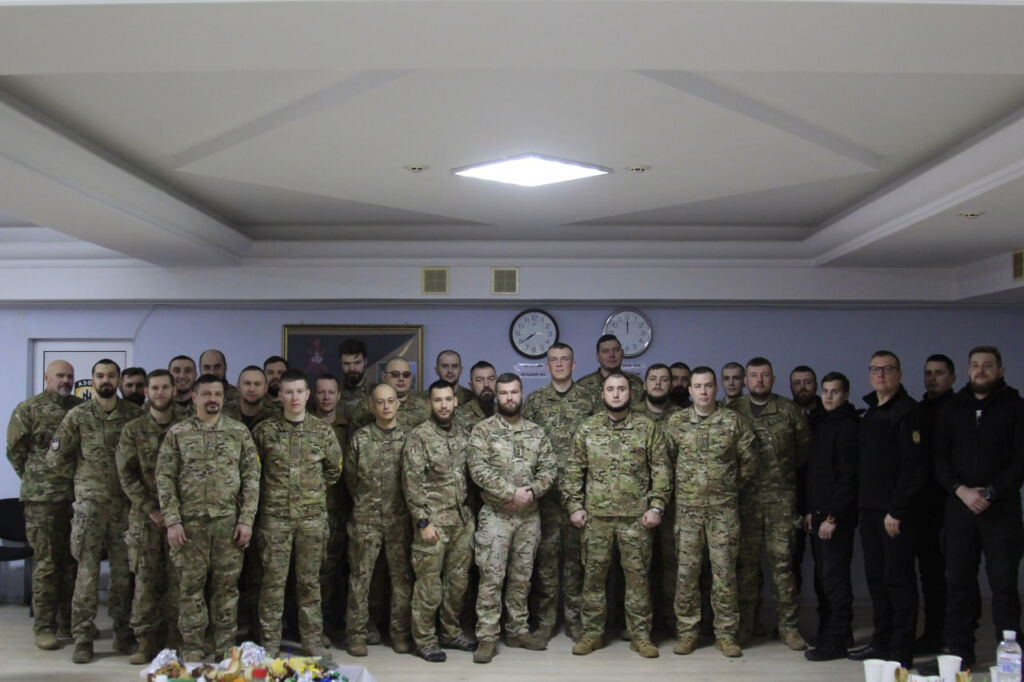
Following the return of Azov fighters from captivity in 2022–2023, the Horunzh Service expanded its operations. Currently, the unit is being reinforced with motivated individuals who possess effective communication skills and the ability to work closely with personnel. The service is focused on bringing in new energy to develop military traditions and strengthen Azov’s moral core.
Symbols
History
Launch of the Mykola Stsiborskyi Horunzhya School for training personnel. Organizing regular lectures and city festivals, and working with young people in Mariupol.
The ensigns’ participation in fierce battles, the rescue of civilians, and their work with soldiers under conditions of a complete blockade.
The return of service members from captivity. Resuming operations and beginning to extend Azov standards to other units of the Defense Forces through training exercises and drills.
Commander
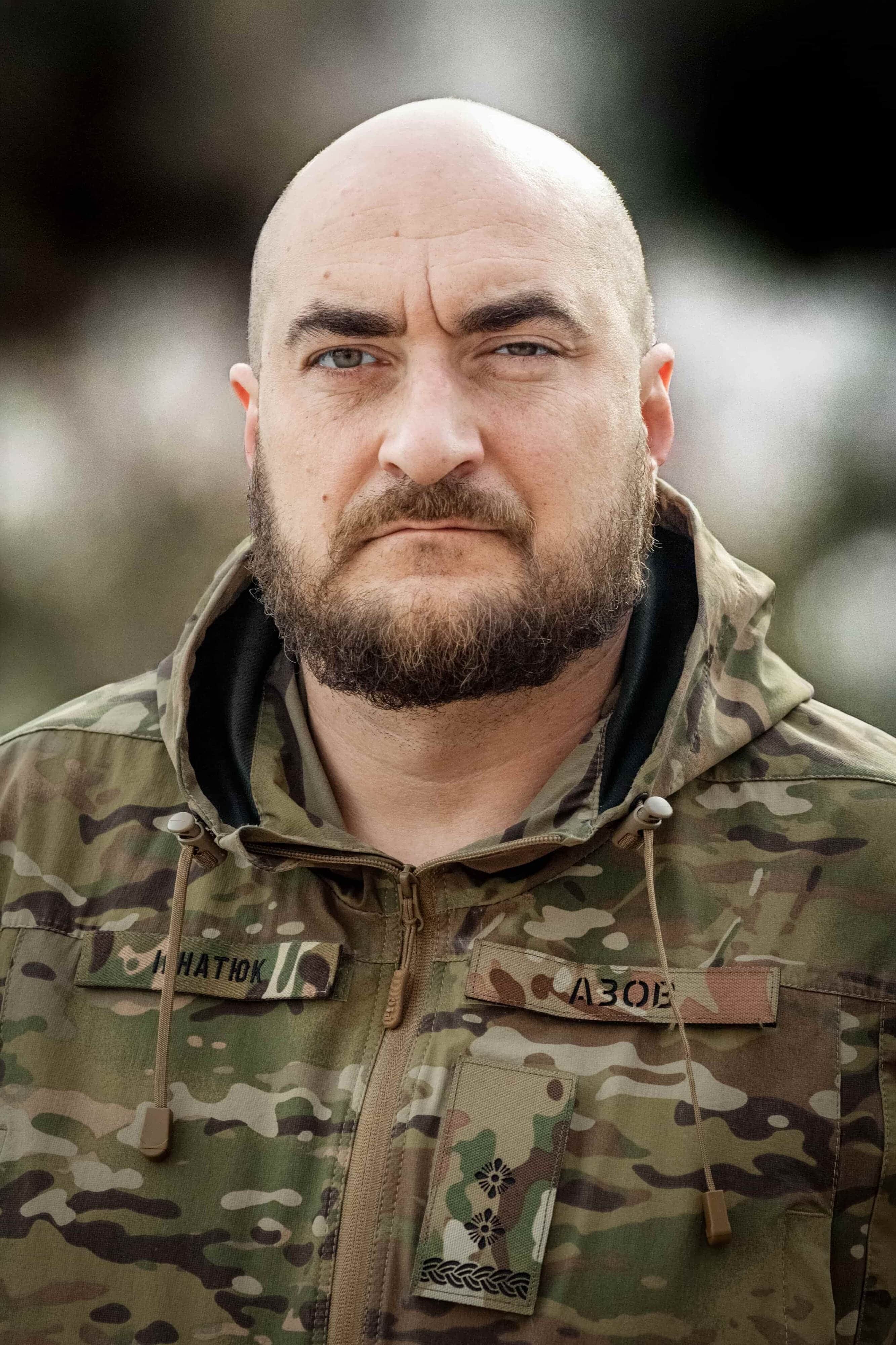
Andriy “Spider” Ignatyuk
ColonelA veteran of the 12th Azov Brigade, who joined the unit in May 2014 and took part in the first liberation of Mariupol. In 2015, he became one of the co-founders of the Horunzhaya Service.
During the full-scale invasion, he took part in heavy fighting for Mariupol and Azovstal. He spent nearly a year in Russian captivity.
He returned from captivity in May 2023 and resumed leadership of the service. Today, his main focus is on scaling up Azov traditions, developing civil-military cooperation (particularly through cultural and educational projects), and expanding the service.