A tank company named “Kholodny Yar” was formed.
Tank Battalion 12th Special Forces Brigade “Azov”
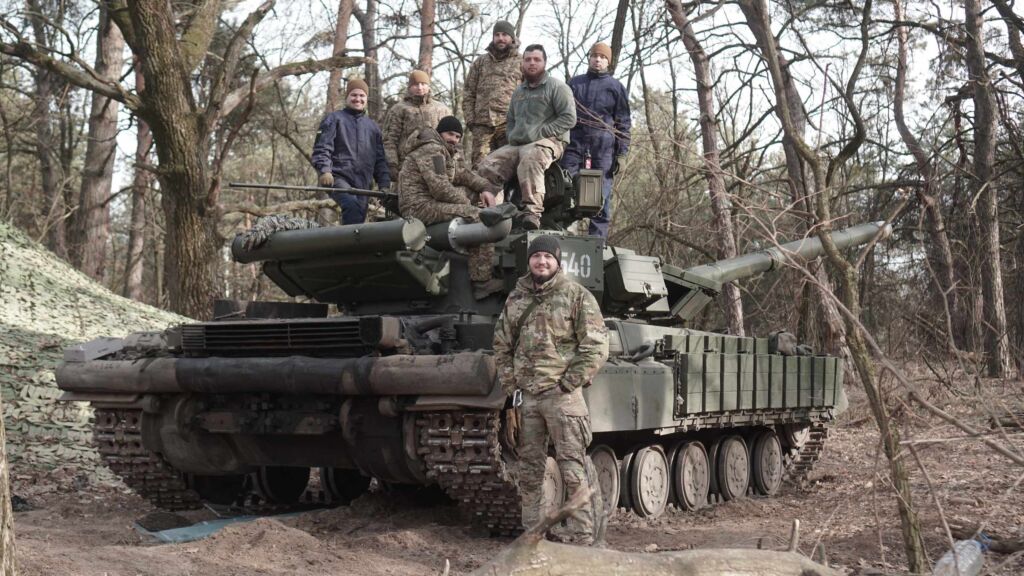
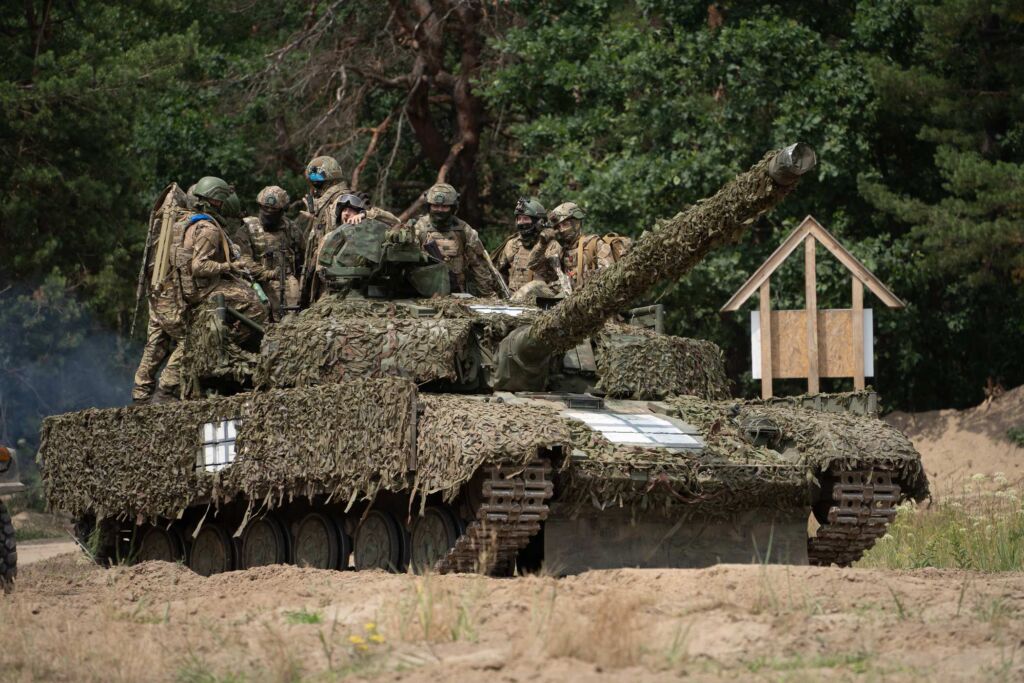
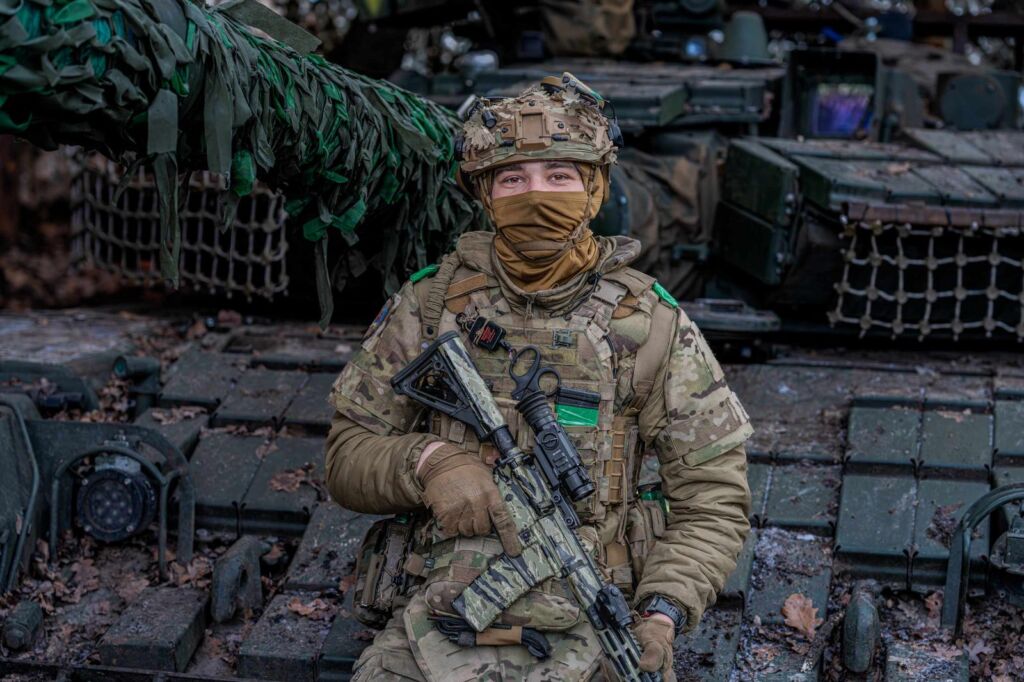
About unit
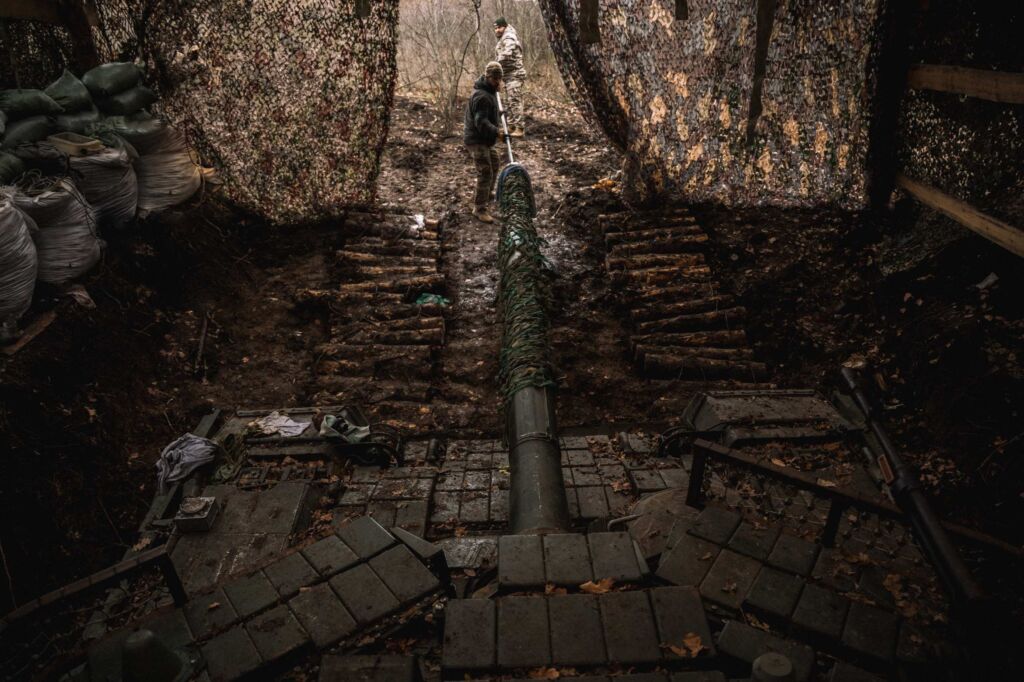
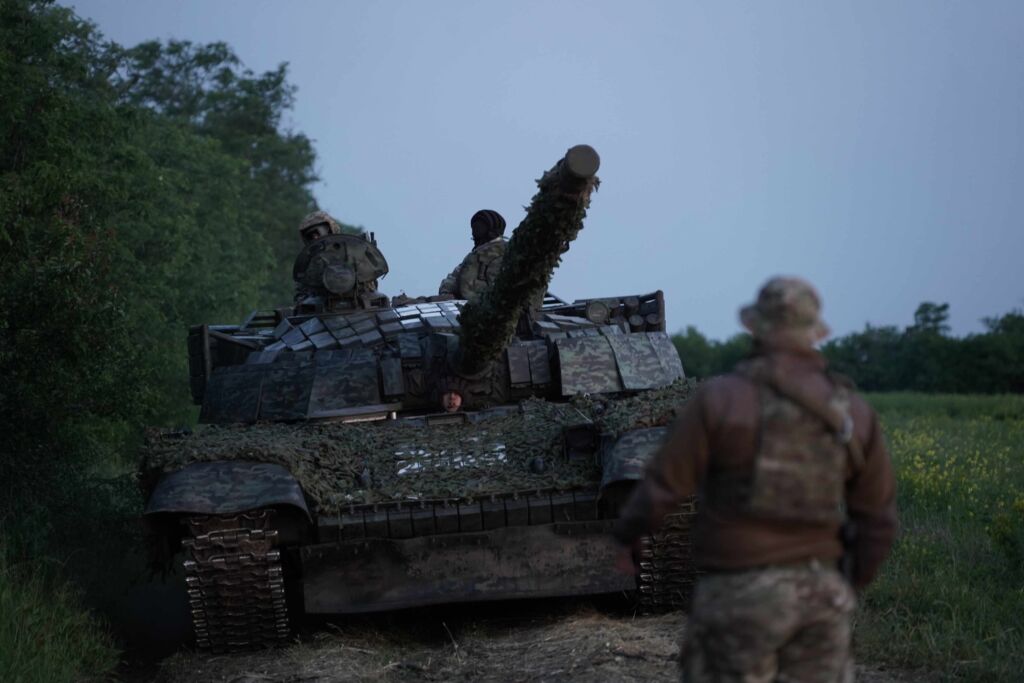
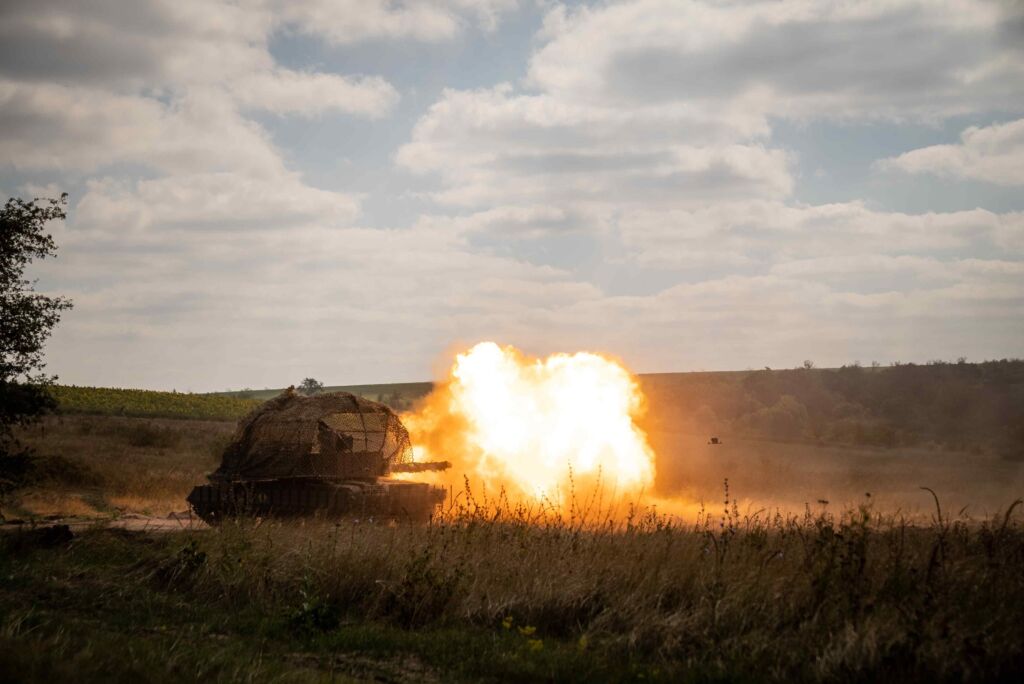
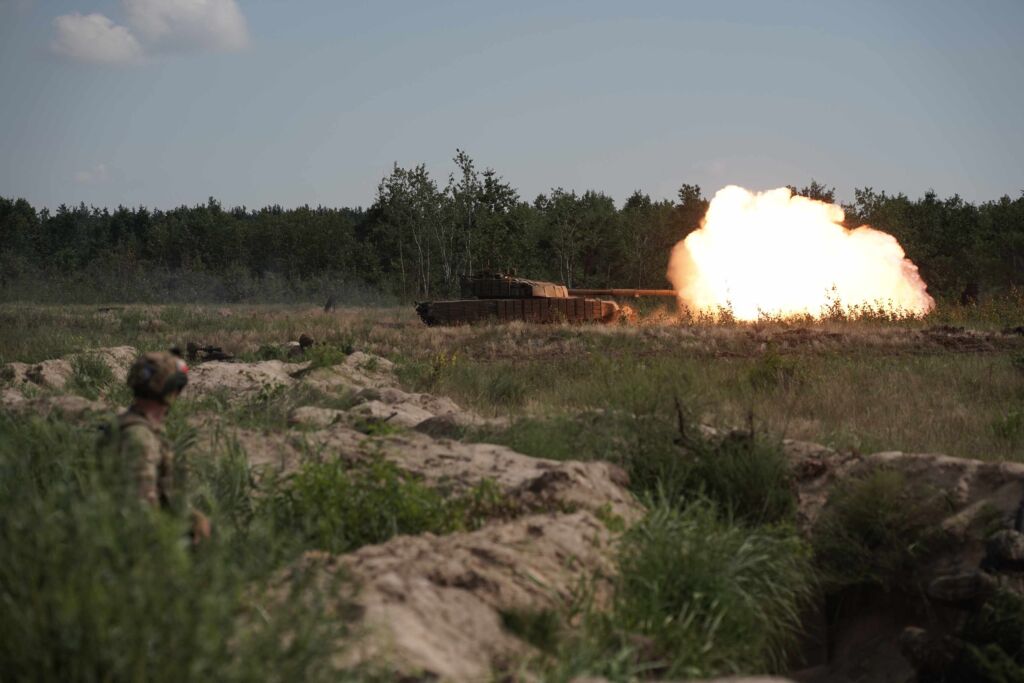
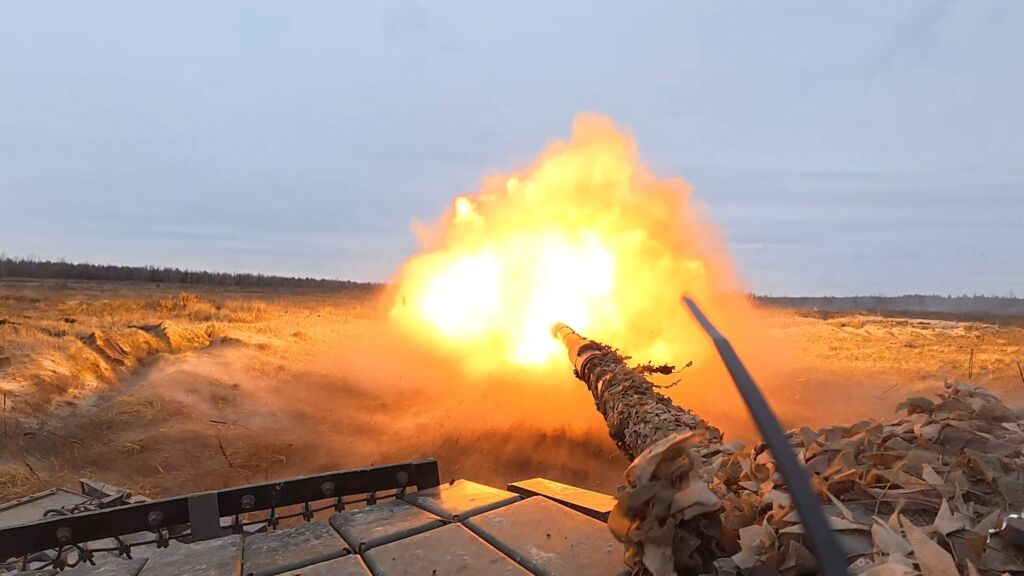
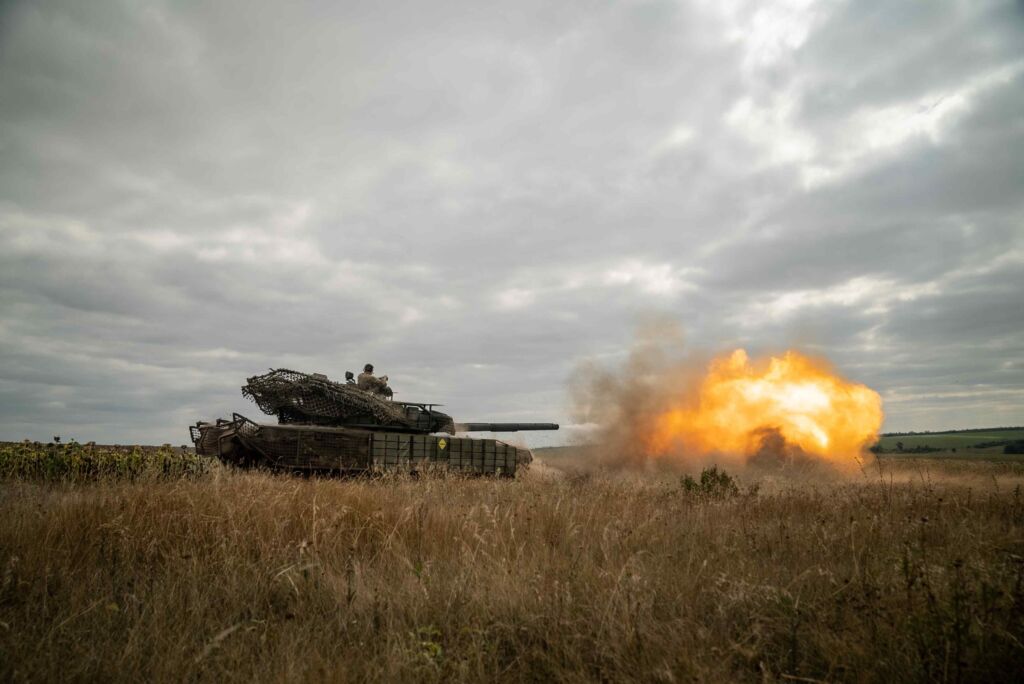
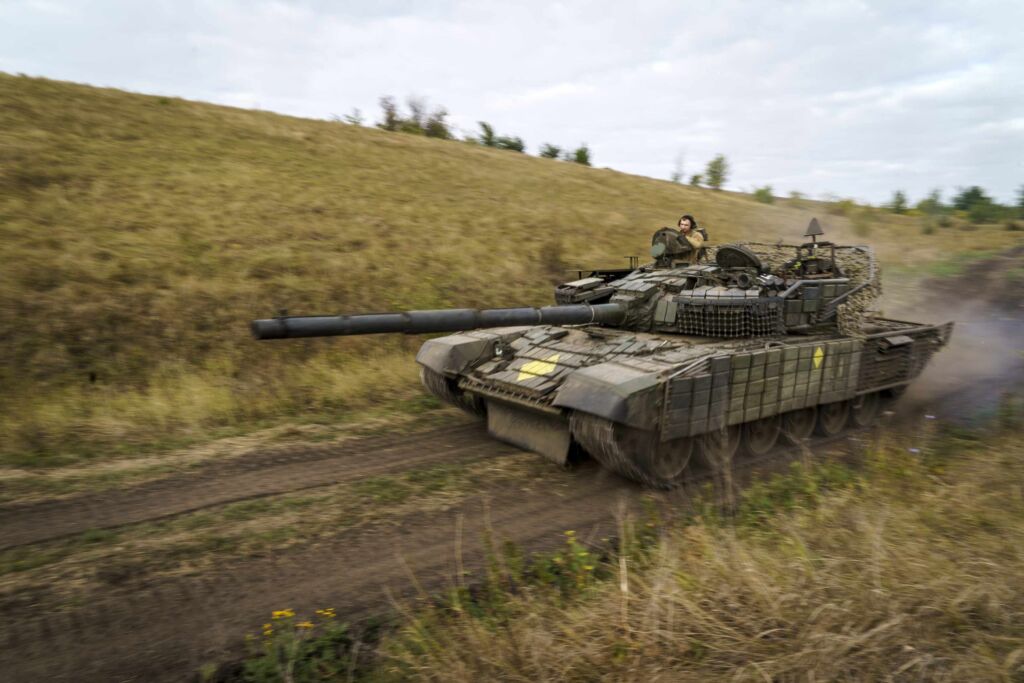
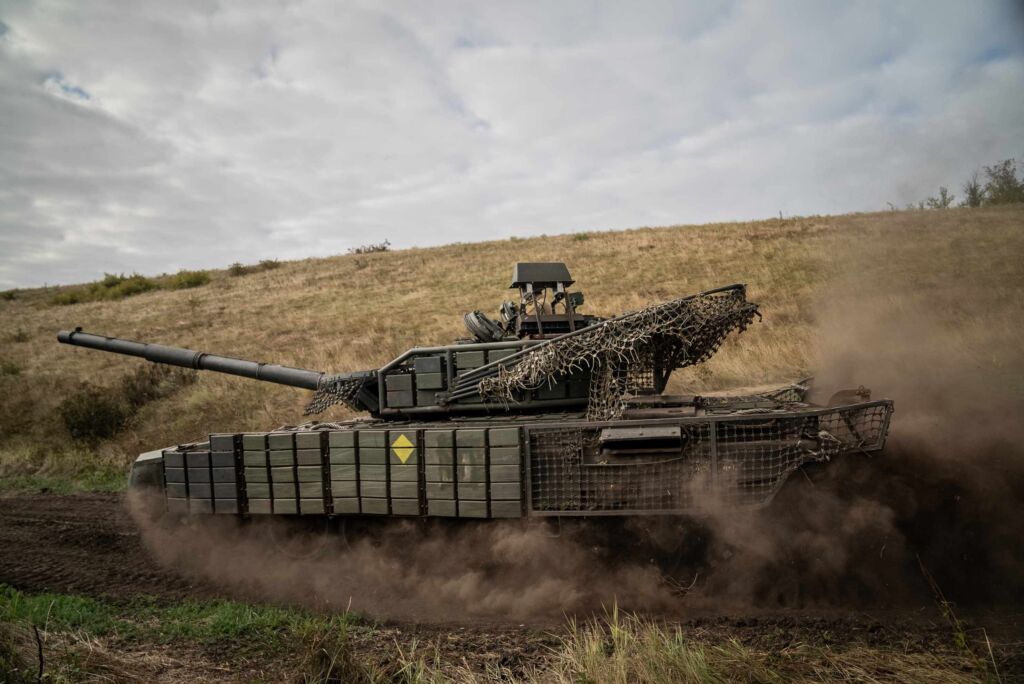
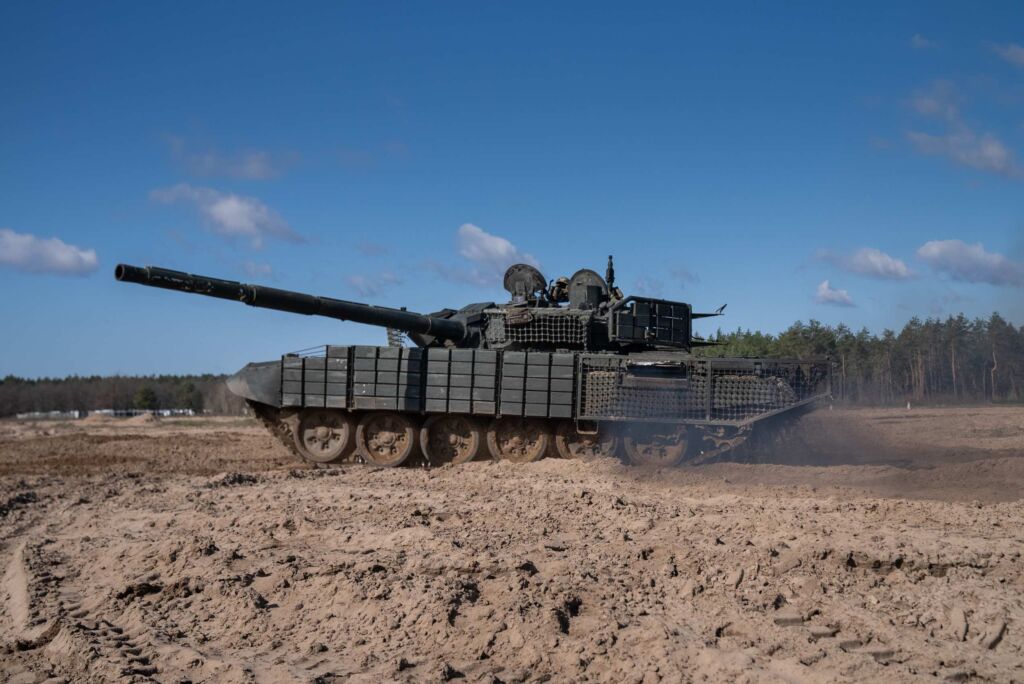
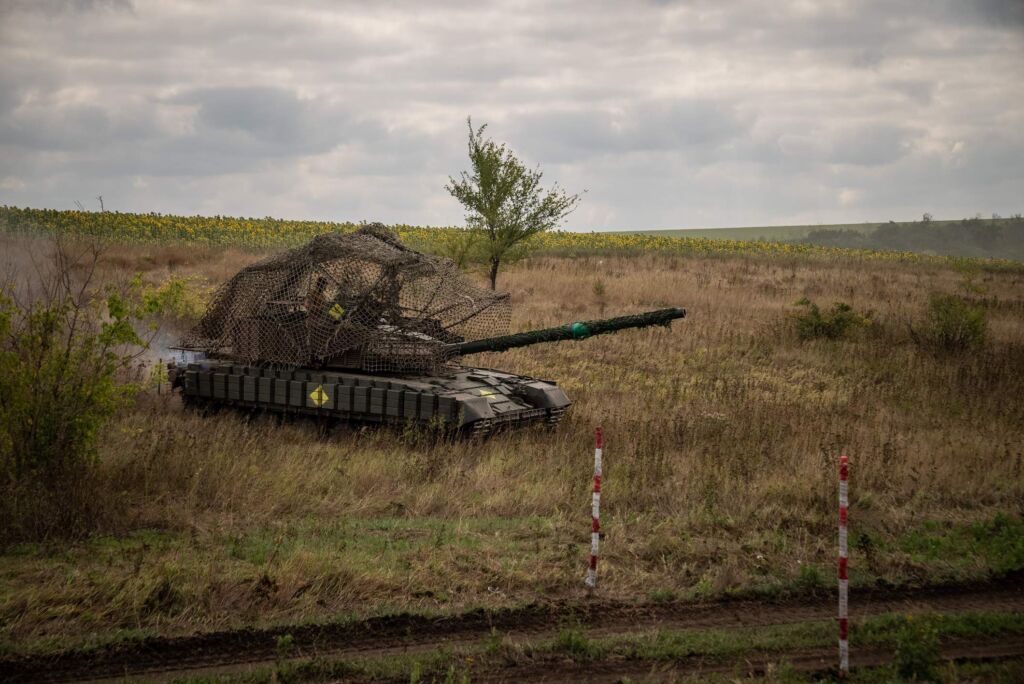
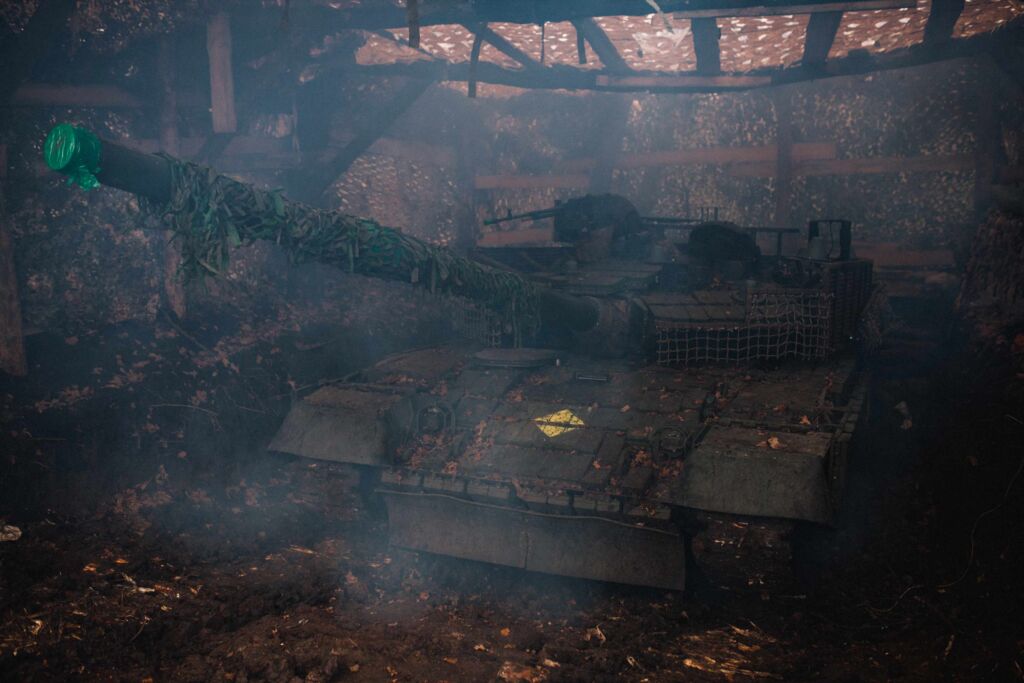
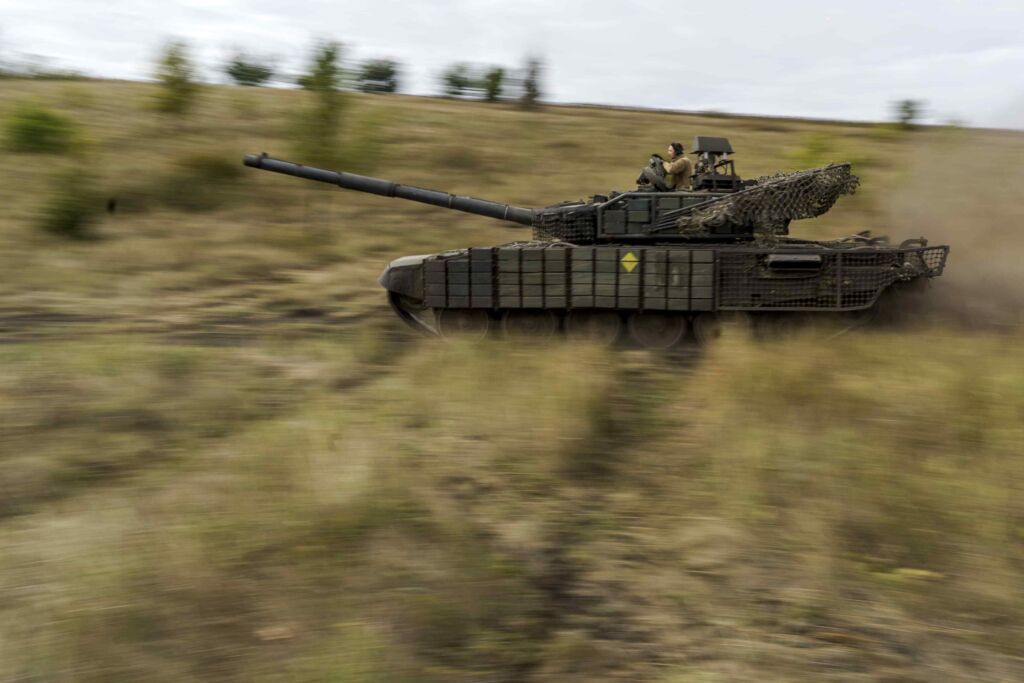
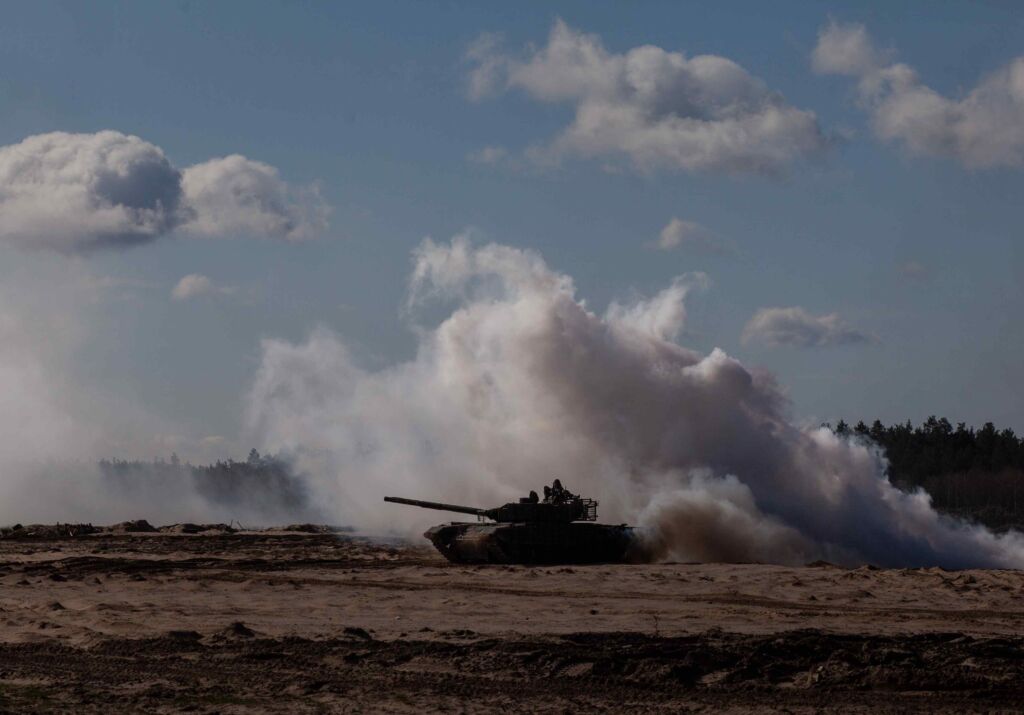
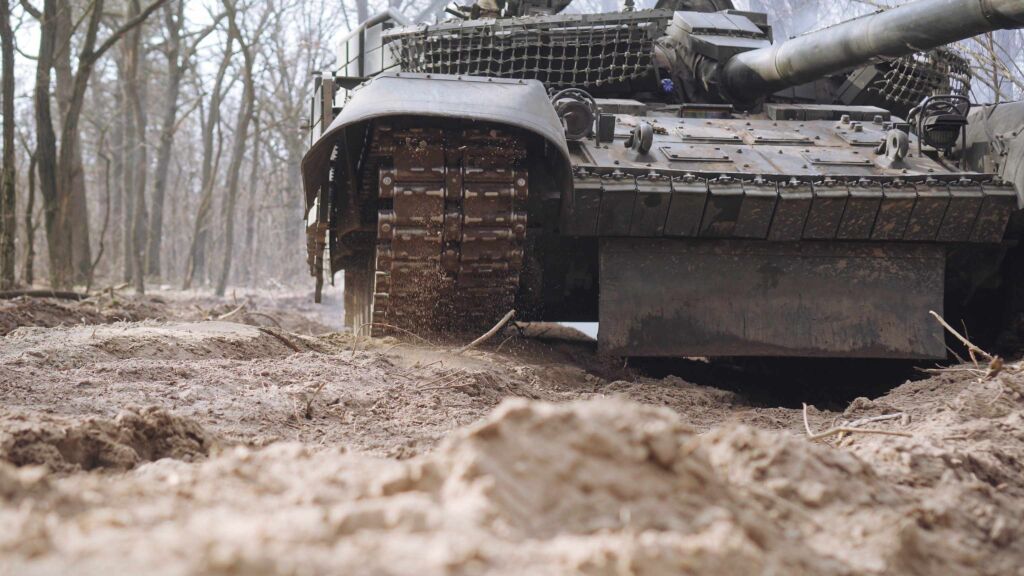
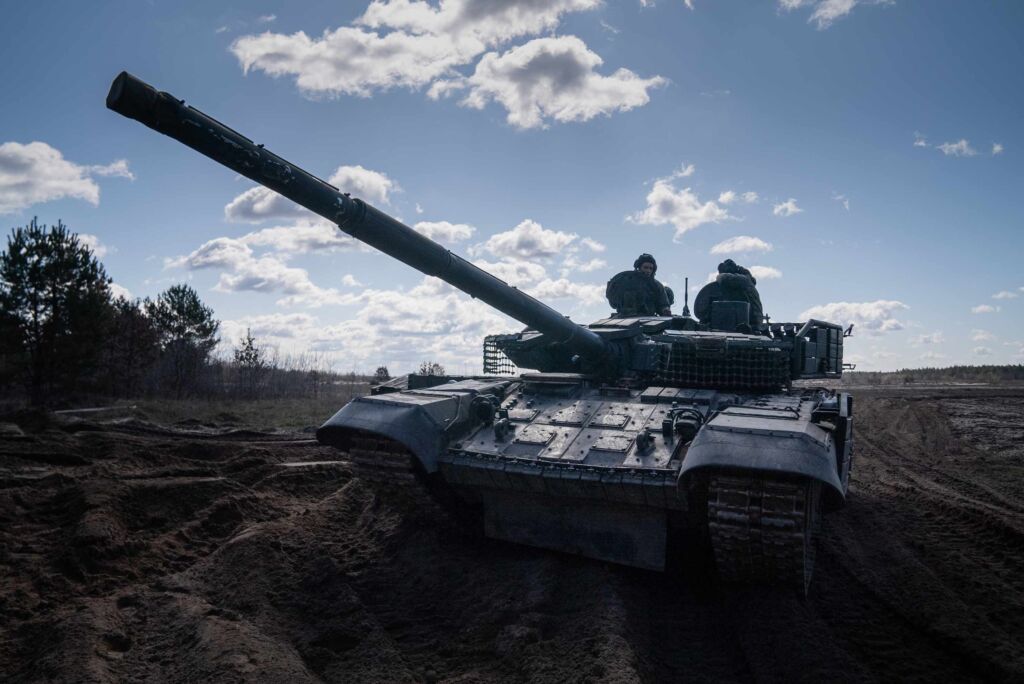
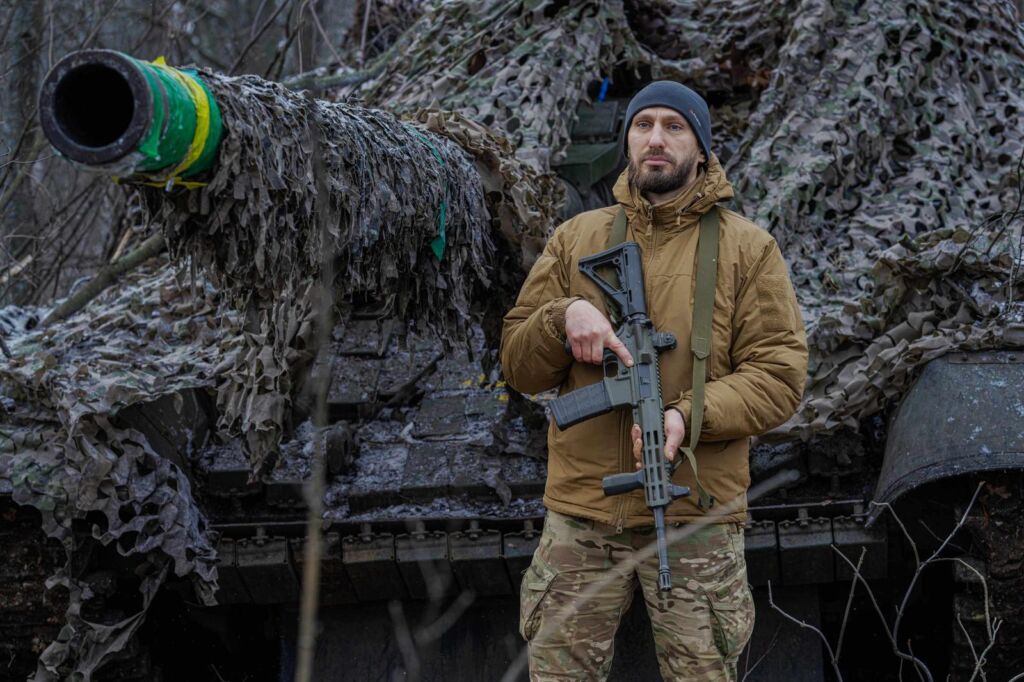
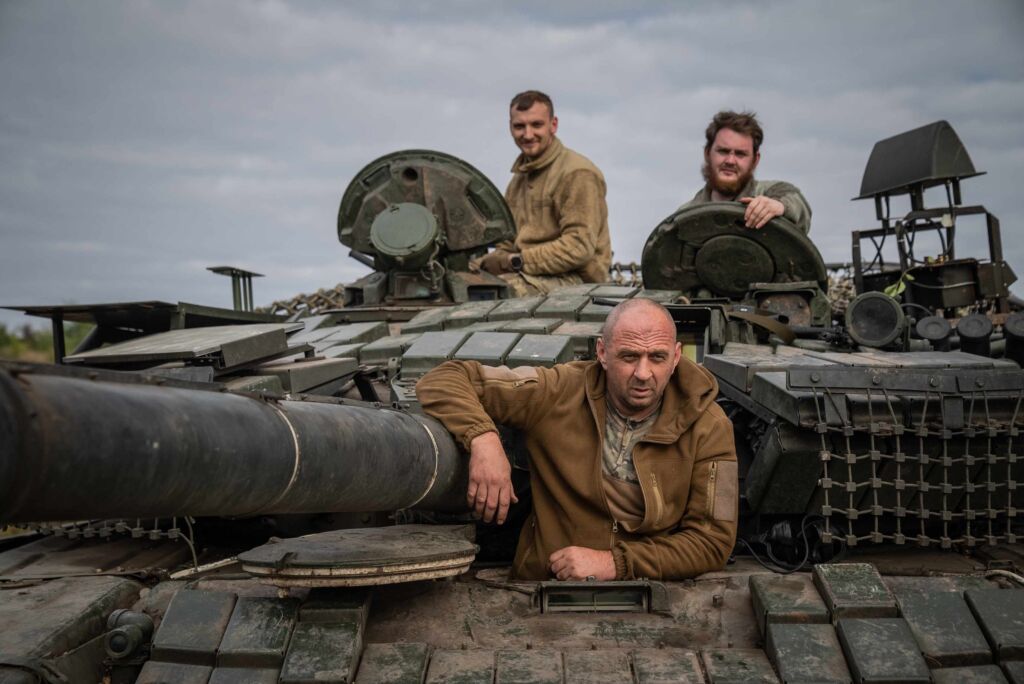
The Azov tank unit was formed in 2015, when the “Kholodny Yar” company was established. During the Pavlopil-Shyrokyne offensive, the tank crews played a crucial role in supporting the infantry and liberating Shyrokyne, Pavlopil, and Kominternove.
In 2022, Azov’s tank company became one of the key forces during the 86-day defense of Mariupol. Under conditions of complete encirclement, constant airstrikes, artillery fire, and enemy superiority, only seven crews continued to carry out combat missions. The tank crews held back the enemy’s mechanized columns, engaged in direct combat with armored vehicles, supported the infantry in urban areas, and destroyed enemy fortifications and equipment. Even with a critical shortage of ammunition, fuel, and logistical support, they remained one of the main striking forces in the city’s defense.
In 2023, the unit carried out combat missions in the Zaporizhzhia sector, where tank crews provided support to assault groups, engaged enemy positions with direct fire, and operated under constant threat from artillery, anti-tank missile systems, and drones.
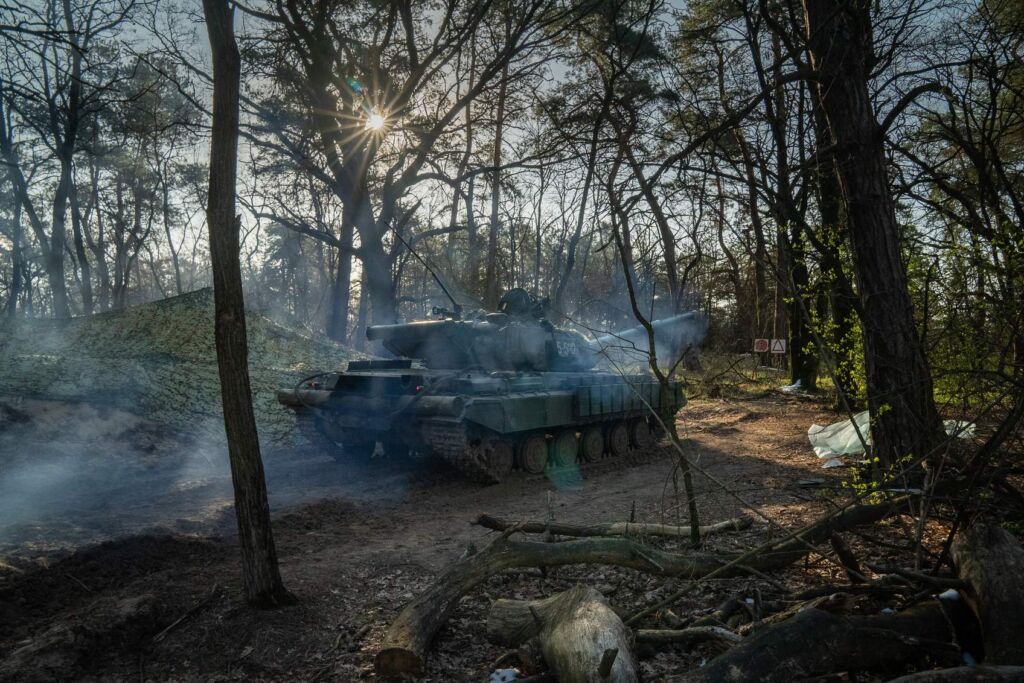
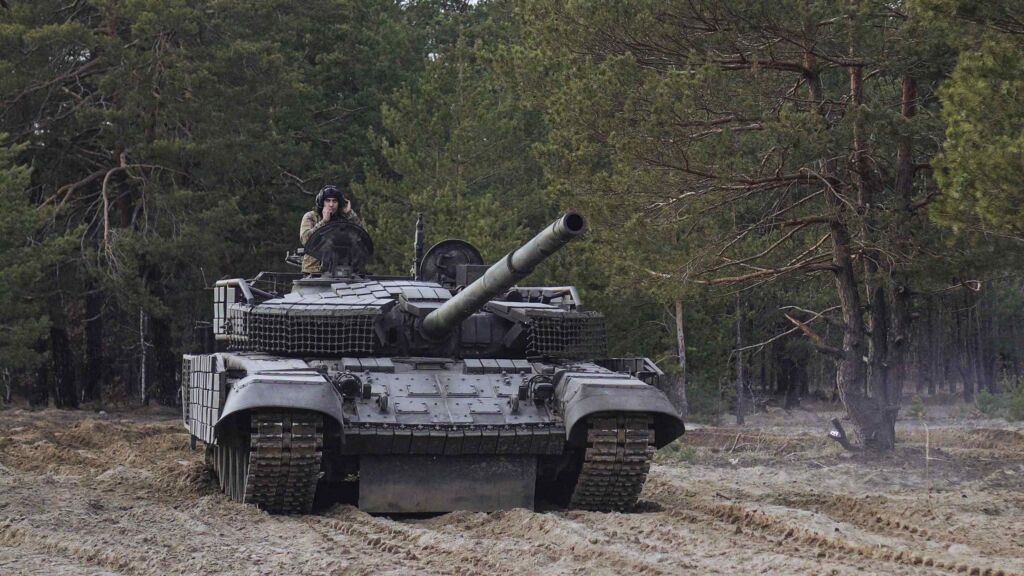
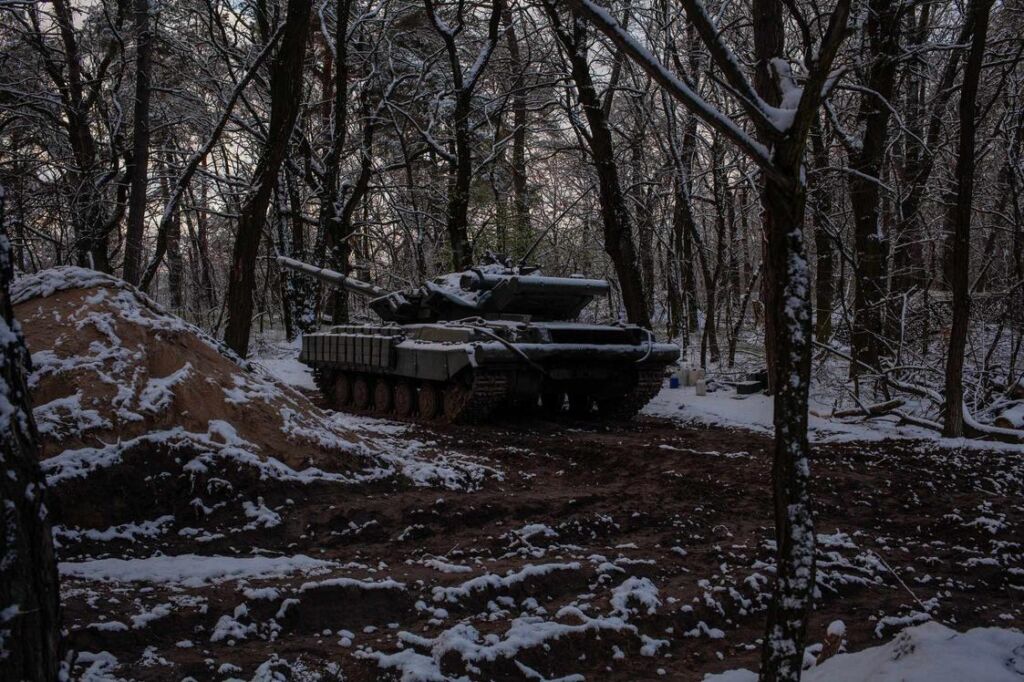
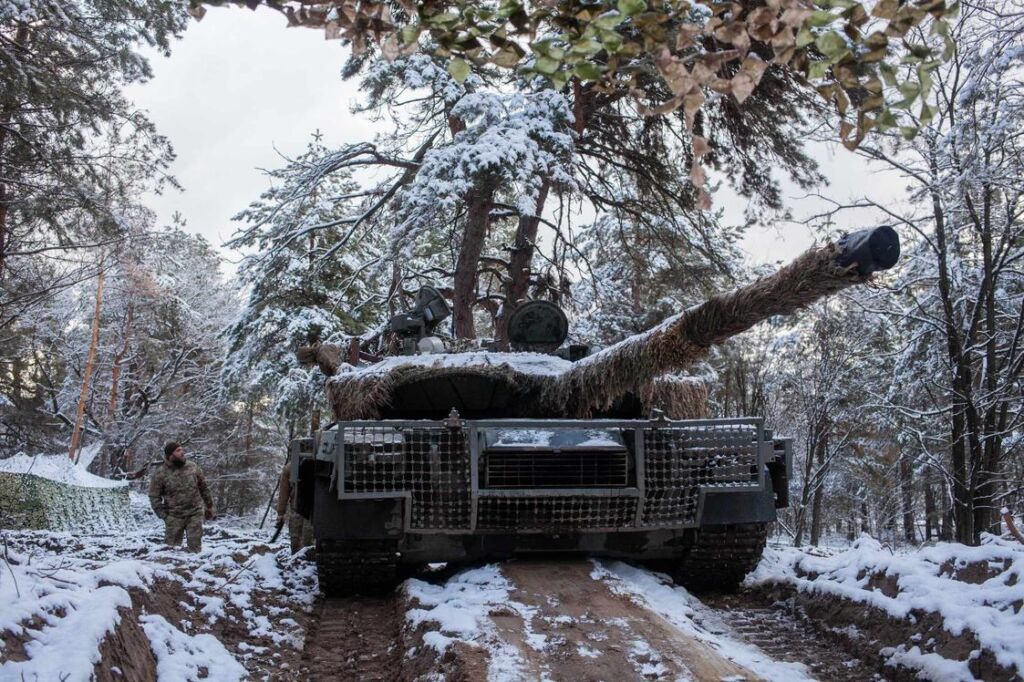
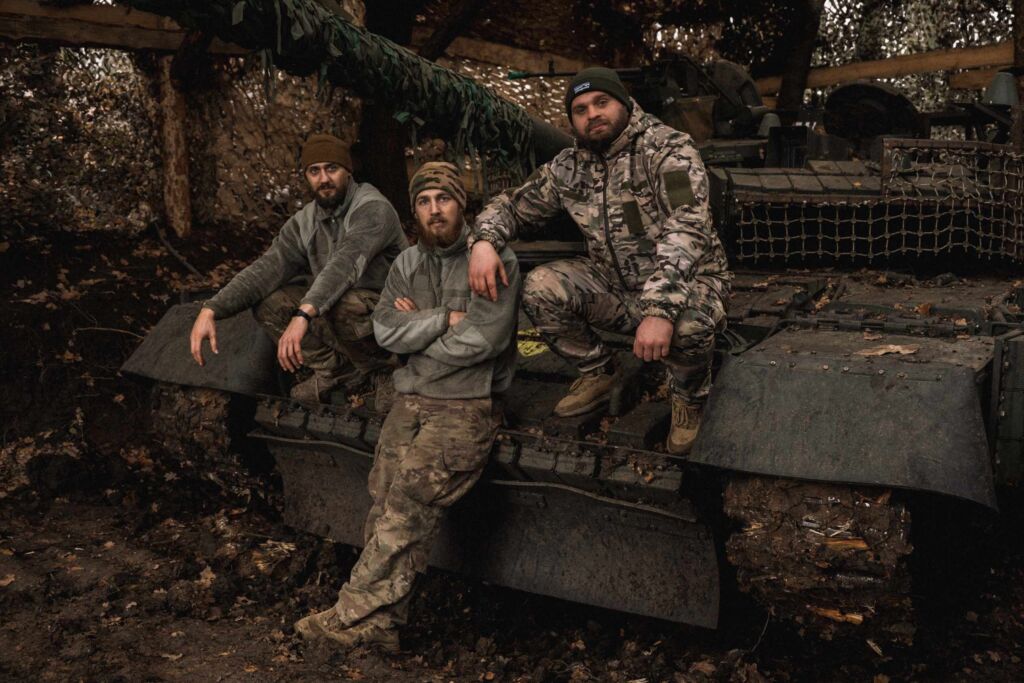
In the fall of 2023, during the battles in the Serebryansky Forest, a tank battalion of the 12th Special Forces Brigade “Azov” was formed. In the challenging conditions of forested terrain and dense minefields, the tank crews participated in assaults on enemy positions, provided fire support to the infantry, and repelled enemy attacks. The unit became a vital part of combat operations on one of the most difficult sectors of the front.
In 2024–2025, the tank battalion carried out missions as part of the New York Campaign. The crews support the defense of Ukrainian units, engage enemy fortifications in dense urban areas, and engage in direct combat with enemy armored vehicles.
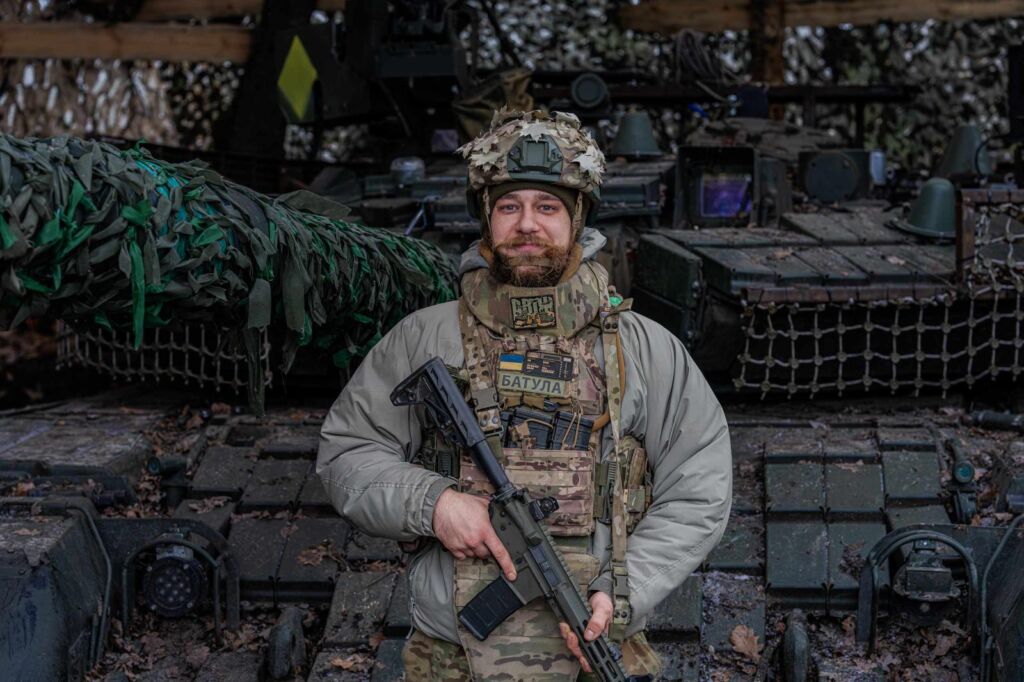
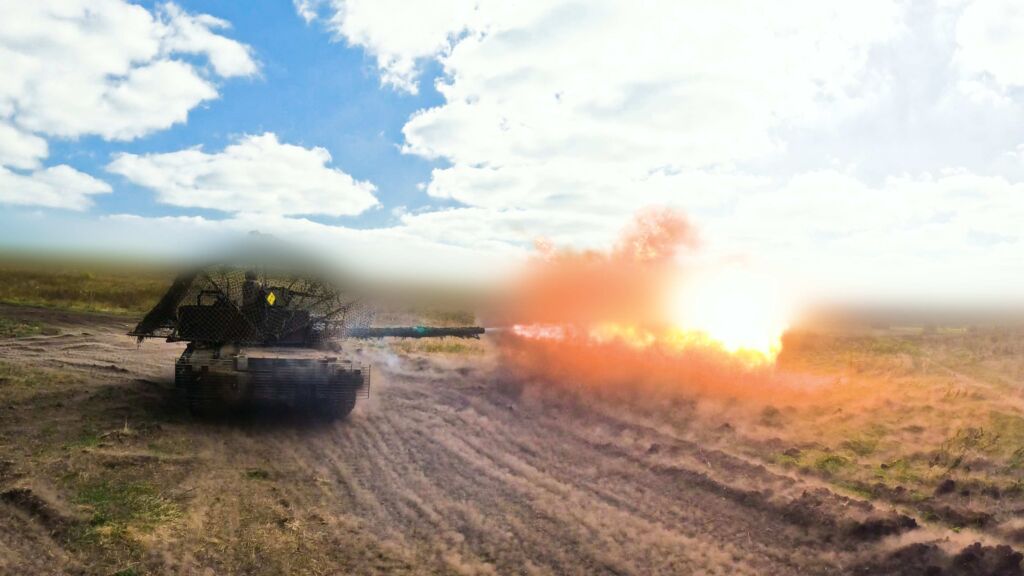
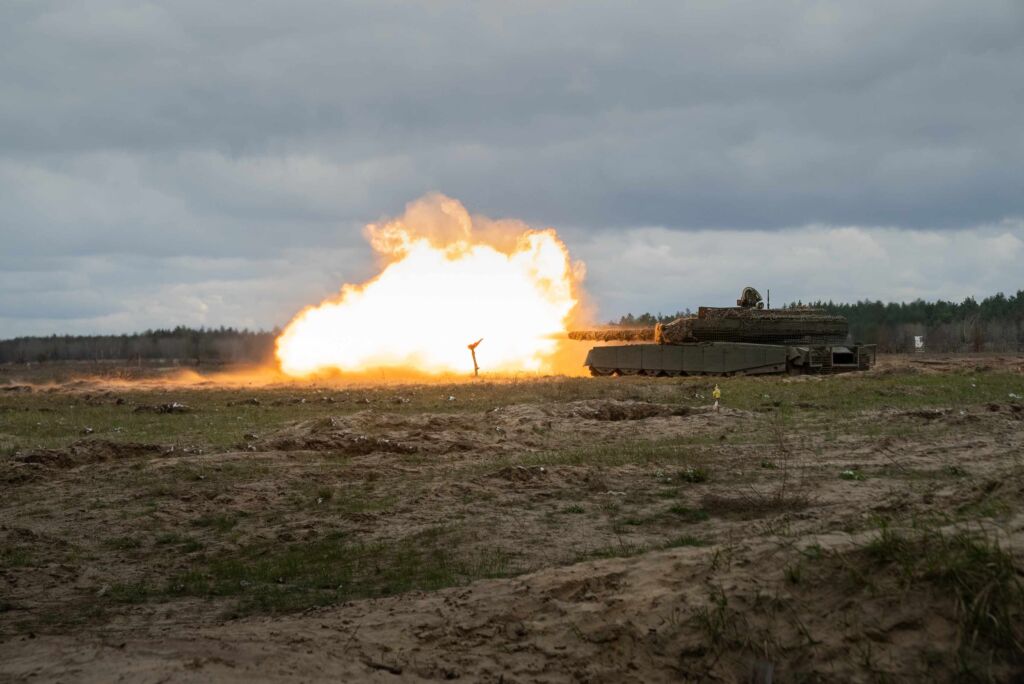
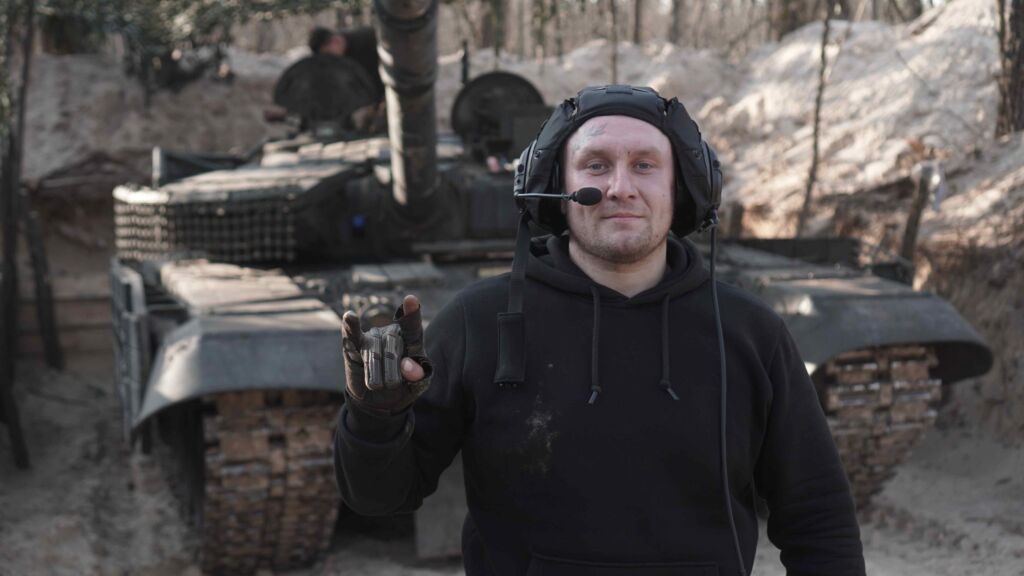
Today, the Azov tank battalion is a unit with extensive combat experience, combining assault operations, infantry support, maneuverability, and firepower in the most challenging conditions of modern warfare.
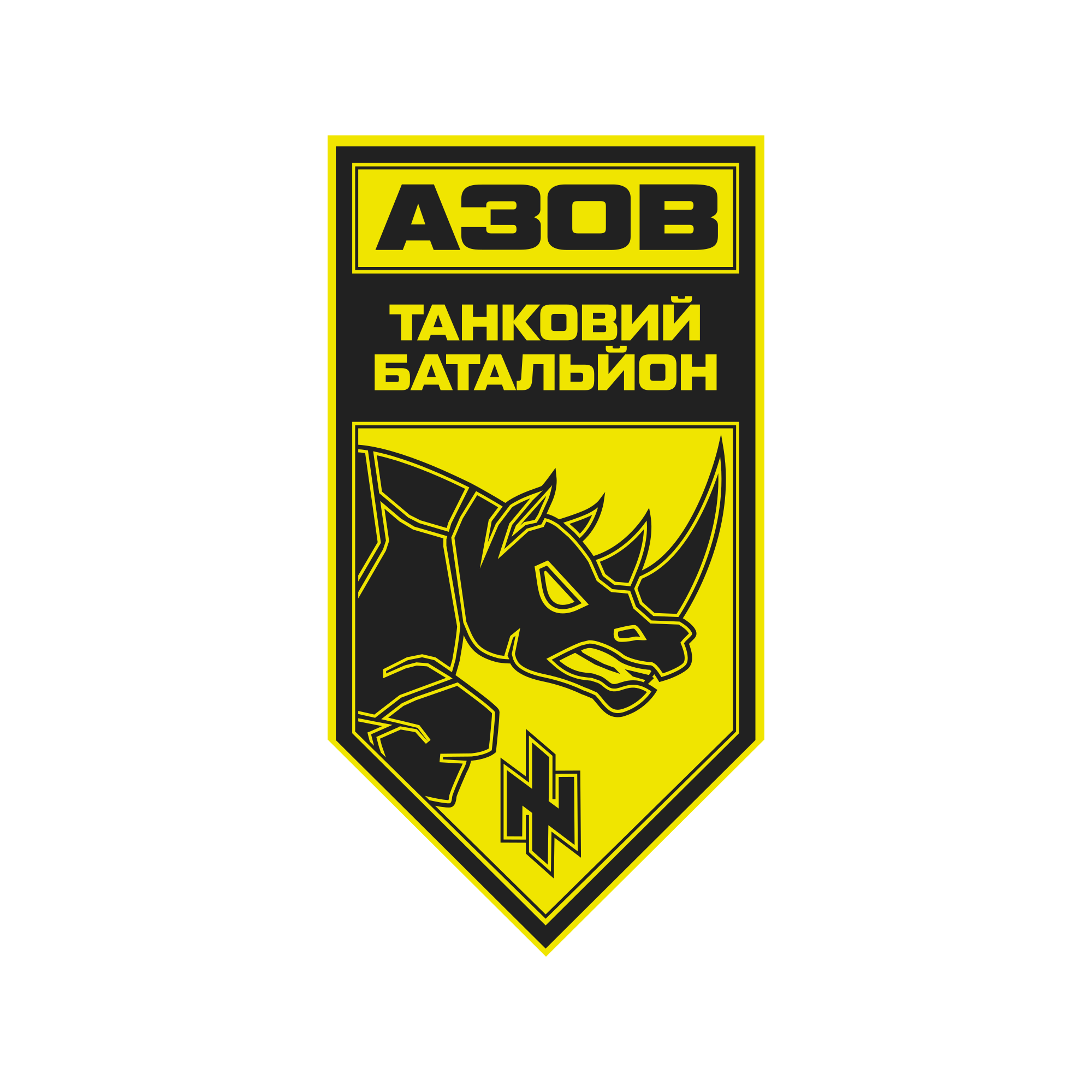
Symbols
History
During the Pavlopil-Shyrokyne offensive in February 2015, tanks provided support to the infantry and took part in the liberation of the towns of Shyrokyne, Pavlopil, and Kominternove.
During this phase, the Azov tank unit gained combat experience in the Donetsk region, practicing coordination with infantry and carrying out missions in a positional warfare environment.
As part of a battalion tactical group, the company took part in fighting near the Svitlodarsk arc. The unit helped push the enemy back by about a kilometer in certain sectors of the front, inflicting casualties and material losses on the enemy.
During the 86-day defense of Mariupol in 2022, the Azov tank company became one of the key forces holding back the Russian advance. Under conditions of complete encirclement, only seven crews supported the city’s defense, destroyed enemy equipment, and provided cover for the infantry in urban combat. Despite constant airstrikes, artillery fire, and a shortage of resources, the tank crews continued to carry out combat missions until the very end.
They carried out missions to break through and suppress enemy defenses. The crews supported assault groups, engaged enemy positions with direct fire, and provided cover for the defense of the front lines. Despite artillery fire, anti-tank missile systems, mines, and drone strikes, the tank crews continued to carry out their combat missions and provided support to units of the Ukrainian Defense Forces.
In the fall of 2023, during combat operations in the Serebryansky Forest, the Azov Tank Battalion was formed.
As a battalion, they took part in the fighting in the Serebryansky Forest near Kreminna. In the challenging conditions of forested terrain and dense minefields, the crews supported assault operations, destroyed enemy fortifications and firing positions, and repelled enemy attacks. Despite constant enemy fire, the tank crews provided support to Ukrainian units and helped hold back the enemy’s advance.
The crews provided support to the infantry, destroyed enemy fortifications and equipment amid dense urban development and constant fighting. The tank crews operated near the front lines, engaged in direct combat with enemy armored vehicles, and helped to repel their offensive operations.
Following the corps’ operations to repel the Russian Federation’s breakthrough near Dobropillia, the battalion was deployed to that sector in November, where it is currently conducting defensive operations and supporting counterattacks by Ukrainian forces.
Commander
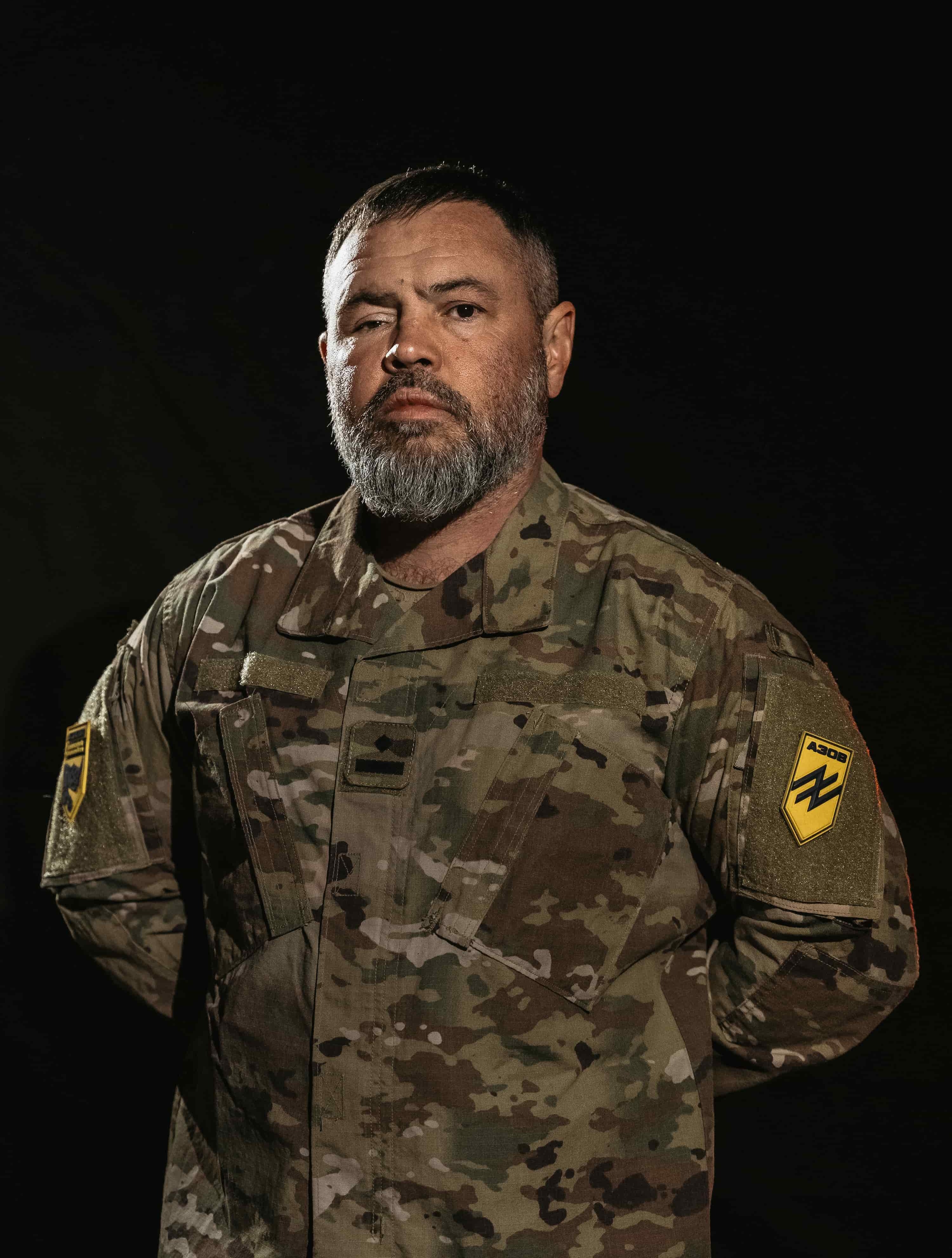
Artem “Crimea” Kostrytsia
MajorStarting out as a tank crewman, “Krym” rejoined the army twice during the ATO, fought in mechanized brigades—including at Debaltseve—and later defended Mariupol as part of the Azov Battalion. A severe injury, the loss of an eye, captivity after leaving Azovstal, and a return to the ranks just a few months later. Having risen from tank commander to staff officer, he became one of those who formed the Azov tank battalion directly in combat conditions, and in 2025, he took command of it.