
Introduction: A Generation Killed Twice
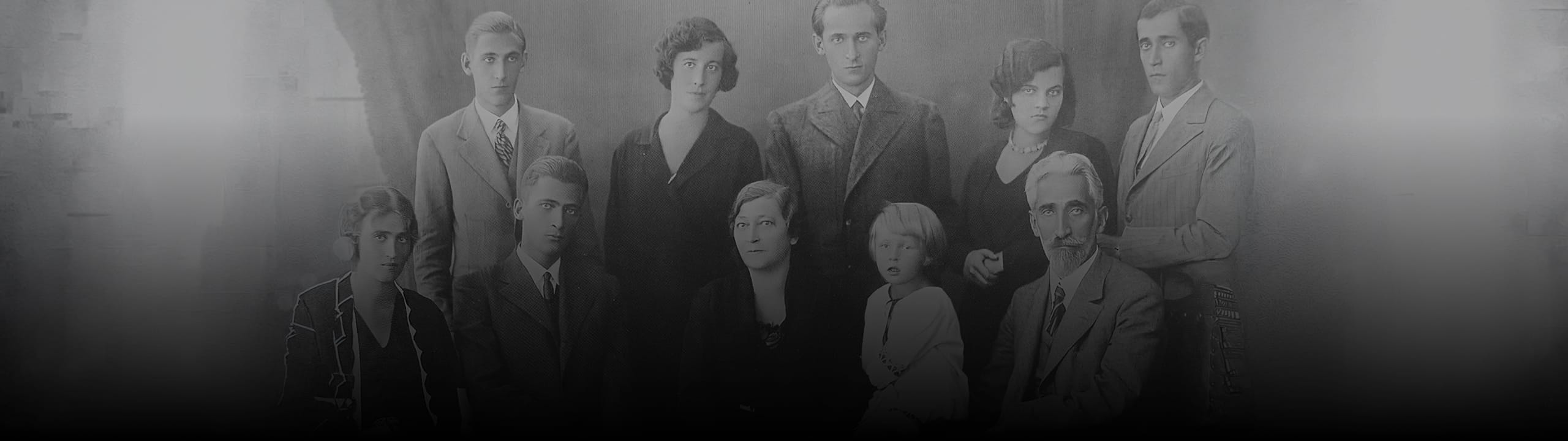
The Executed Renaissance is the poetic name for the tragedy of a generation of Ukrainian artists of the 1920s and 1930s who were destroyed by Soviet power. They were killed physically, their works were killed, and attempts were made to kill their memory.
First, they were killed ideologically: convinced of the “usefulness” of Soviet power for Ukrainian culture, stripped of any desire to fight for an independent Ukraine, and offered the hope of a revival of the Ukrainian word and identity within the framework of the Ukrainian SSR. And so this young generation, deceived by the Bolsheviks, threw itself into experimentation, absorbing the currents of contemporary art and creating new ones of its own. They worked in the styles of neoclassicism, avant-garde, symbolism, expressionism, and innovation. Their works, of high artistic merit and recognized internationally, spanning painting, music, theater, and cinema, literature and philosophy, permeated by the philosophy of existentialism, received the “highest honor” Soviet power had to offer: execution.
But physical death was not enough for the Bolsheviks, so the artists’ work was “killed” too: suppressed, banned from publication, removed from libraries, and sometimes simply destroyed outright, as in the case of the monumental artist Mykhailo Boichuk, many of whose works are lost forever.
Context: The 1920s as a Time of Hope
In the 1920s, Soviet power had not yet fully consolidated its grip: rebel commanders were still active, peasants were resisting collectivization, and remnants of the intelligentsia remained partly in opposition. The regime understood the danger of a renewed liberation struggle. In 1923, Moscow adopted the resolution “National Factors in Party and State Construction,” launching the policy of Ukrainization in the Ukrainian SSR. At the same time, a generational shift was taking place in literature. Ivan Franko, Lesia Ukrainka, and Mykhailo Kotsiubynsky passed away; others emigrated or were destroyed by the Bolsheviks. Into the vacated artistic space burst a young generation, intoxicated by promises of “rights and freedoms” and backed by Soviet power. They believed in the sincerity of the Party’s Ukrainization, though not for long, and looked down on the older intelligentsia.
Young, progressive artists, drawn in by communist ideas, began forming groups: MARS (Workshop of Revolutionary Word), VAPLITE (Free Academy of Proletarian Literature), and others, each publishing their own journals featuring the work of young writers. Ukrainian painting, theater, and cinema were also developing rapidly, surpassing their Russian counterparts in both quality and output. Public debates filled the press: which direction should Ukrainian literature take?
Mykola Khvylovy: How the Most Talented Writer in the Ukrainian SSR Became Enemy of the People No. 1
The answer was provided by Mykola Khvylovy, one of the founders of VAPLITE. According to legend, it was he who proclaimed the slogan “Away from Moscow!” with Valerian Polishchuk adding his voice: “Give us Europe through cultural exchange!” Khvylovy, a champion of Ukrainization and literary Eurocentrism, wrote: “The fact is that Russian literature has weighed upon us for centuries like a master of the situation, conditioning our psyche into slavish imitation.”
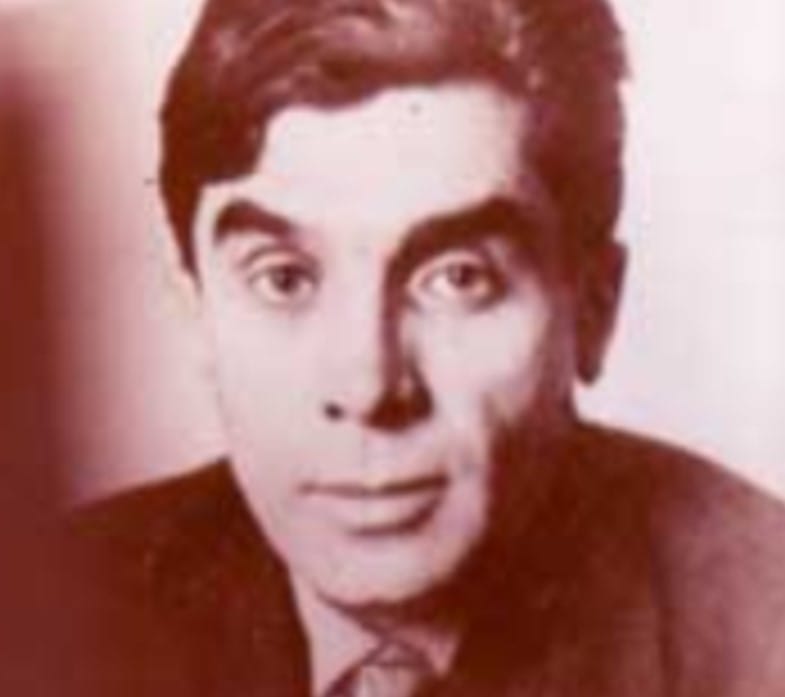
This inevitably drew the attention of Party organs. Stalin himself, in a letter “To Comrade Kaganovich and other members of the Central Committee of the CP(b)U,” described Khvylovy as “a source of dangerous anti-Russian sentiment.” First Secretary of the Central Committee of the CP(b)U Stanislav Kosior declared: “Khvylovy is a certain combination of traits; he is an armed enemy, he is, above all else, full-blown nationalism, a phenomenon that carries weight and is therefore very dangerous.”
The writer was subjected to persecution. Under pressure, VAPLITE dissolved itself. He publicly renounced his own views, wrote a penitential article, and withdrew from literary life. He traveled through the villages, witnessed the consequences of collectivization with his own eyes, and reached a conclusion: “The famine is a deliberately organized phenomenon.”
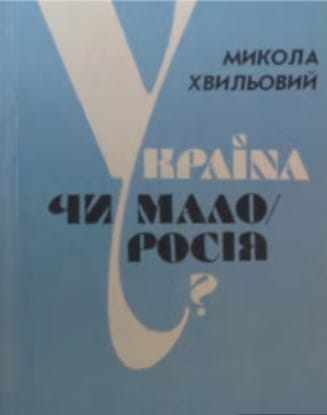
On May 13, 1933, Khvylovy invited friends to his home under the pretext of reading a new novel, stepped into another room, and shot himself in the head. As Dmytro Dontsov later observed: “Even if Khvylovy pulled the trigger himself, it was Moscow that put the gun in his hand.”
Les Kurbas: The Director Destroyed for His Avant-Garde
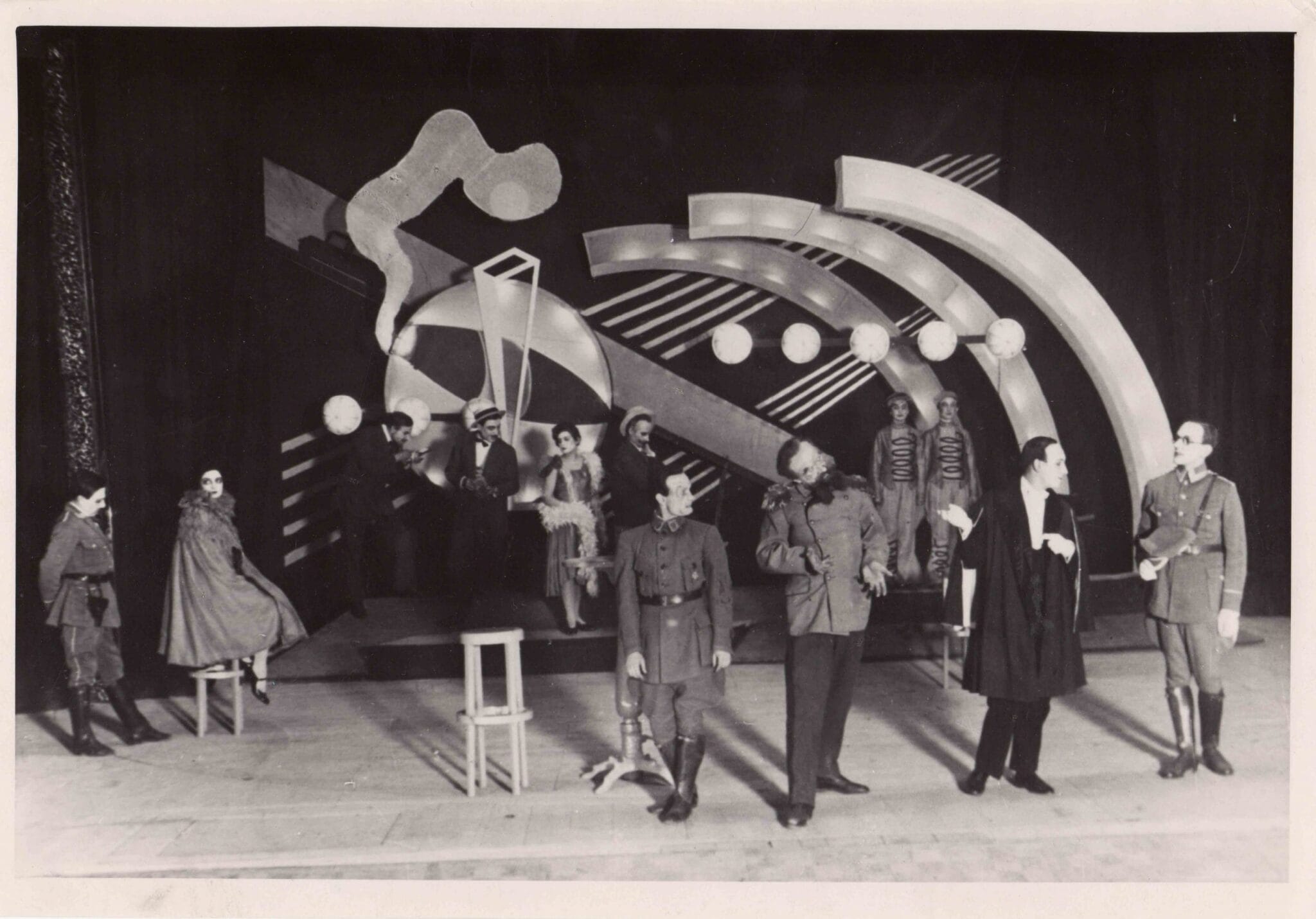
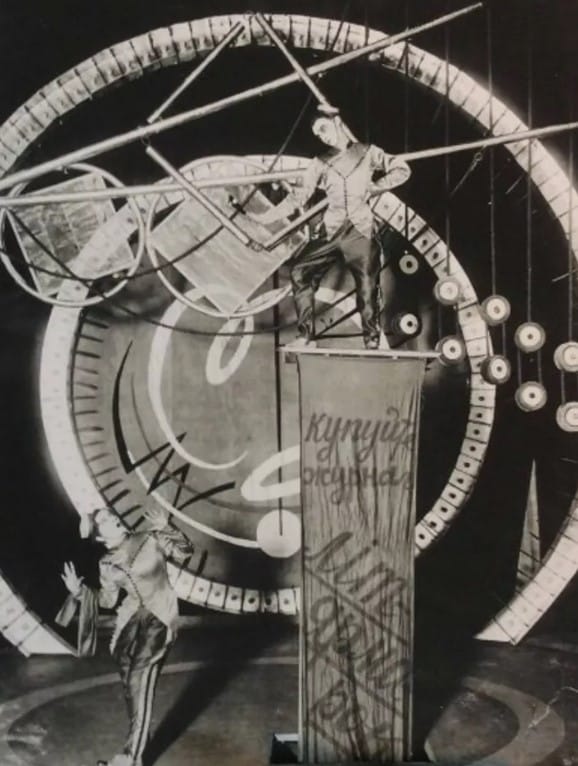
Les Kurbas, an innovative director and explorer of new forms for staging both contemporary and classical drama, founded the political and later philosophical theater “Berezil.” Over time, the theater grew into a major hub encompassing separate acting studios, a music hall, a department of agitation and propaganda, and a directors’ laboratory. Rejecting realism, Kurbas drew on the latest European avant-garde, constructivist, and expressionist practices, while frequently creating new forms of his own, developing what he called “theater of mystery.” The theater found new momentum through its collaboration with playwright Mykola Kulish, whose Ukraine-centered works made it possible to build “a Ukrainian theater in its essence and European in its form.”
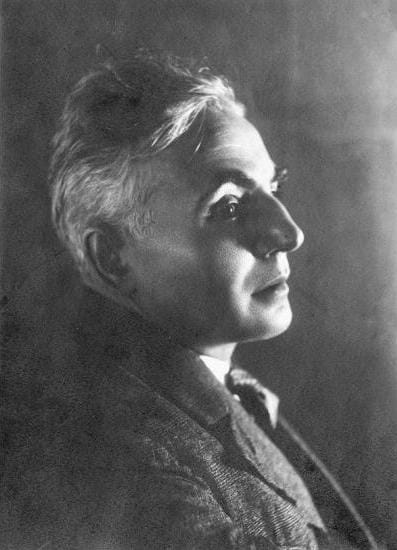
Kurbas’s work was incomprehensible to proletarian audiences and Communist critics, who cultivated an atmosphere of hostility around him. He eventually concluded that “communism is incompatible with human nature, as fire is with water,” and that conclusion sealed his fate.
He was first removed from the leadership of the theater, then arrested in 1933. Under torture, he signed a confession and was sentenced to five years in a prison camp. In 1937, an NKVD “special troika” reviewed his case and sentenced Les Kurbas to death by shooting. His friend Mykola Kulish was shot on the same day, giving rise to the legend that they were killed with a single bullet, temple to temple.
Pluzhnyk, Pidmohylny and Ostap Vyshnia
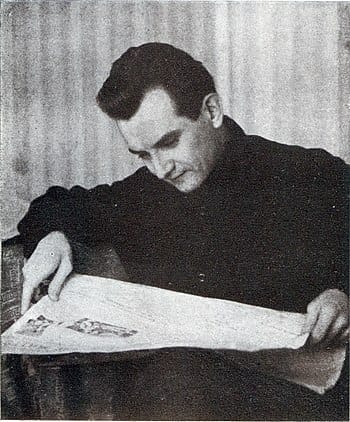
Yevhen Pluzhnyk was a poet, translator, screenwriter, and playwright whose lyric verse was highly regarded by his contemporaries. He was the author of poetry collections, plays, the novel The Ailment, and An Anthology of Ukrainian Poetry (co-authored), and together with Valerian Pidmohylny compiled the dictionary Phraseology of Business Language. By a bitter irony of fate, the author of the aphorism “It’s only talk! But it’s a long conversation: you start it in Kyiv and finish it on the Solovki” died of tuberculosis on the Solovki, a group of islands in the White Sea housing the largest Soviet concentration camp, the Solovetsky Camp of Special Purpose.
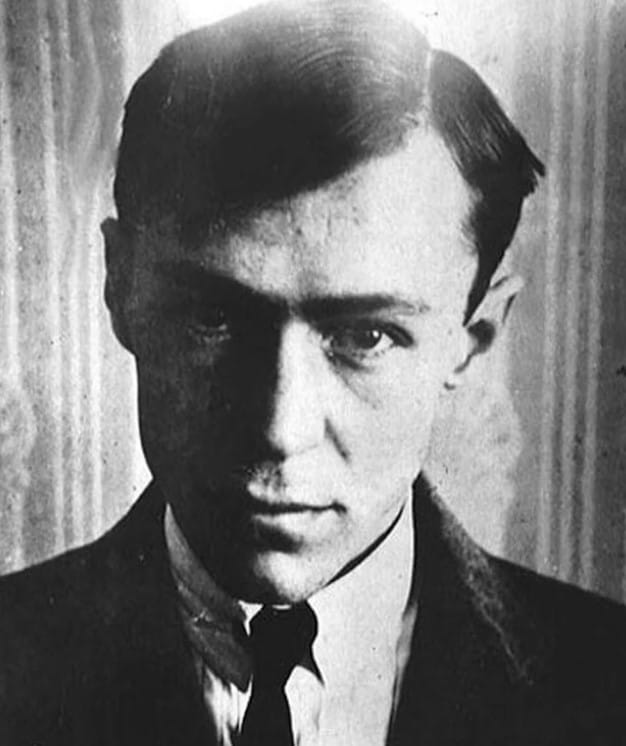
Valerian Pidmohylny was a translator, novelist, and one of the most prominent prose writers of his era, who spoke out against the ideologization of art. He continued writing even in the Solovki camp and was shot in the Sandarmokh tract in Karelia, a forest clearing where the NKVD carried out mass executions of prisoners.
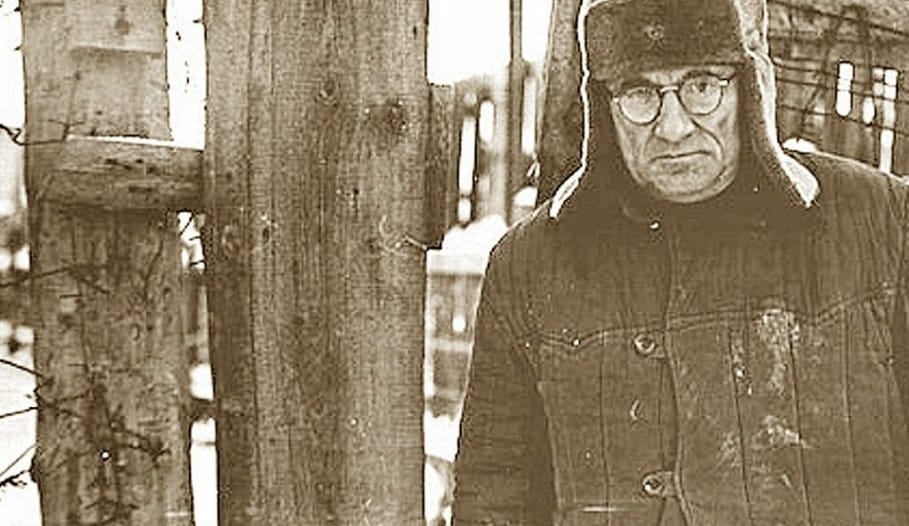
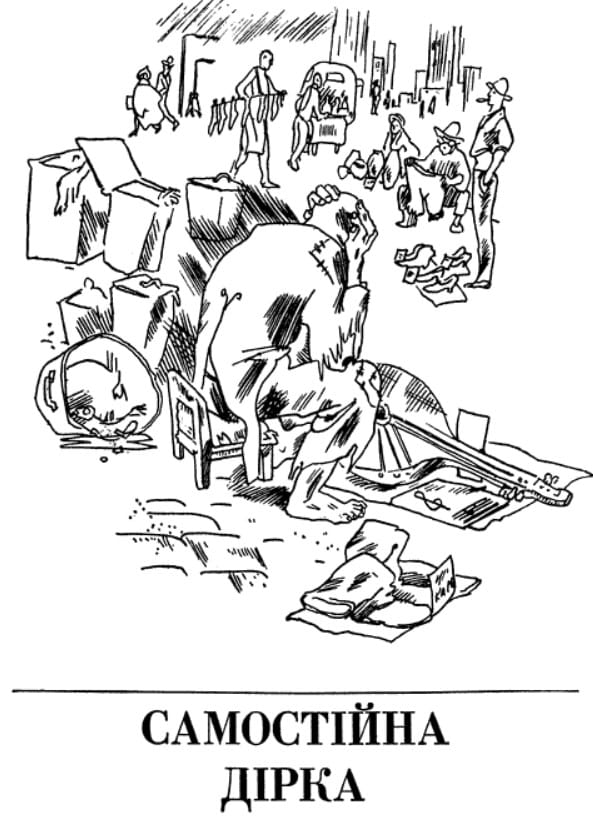
Ostap Vyshnia was a classic of Ukrainian satirical prose and the originator of a new genre: the usmishka, a short humorous sketch. He served time in prison and in a concentration camp. Broken by the Soviet system, he was released on Stalin’s orders to counter the ideological work of the UPA, and went on to write a piece mocking the OUN, titled Independent Hole.
The Scale of the Losses and Their Significance Today
In the Sandarmokh tract, in the Bykivnia forest, on the Solovki, and in torture chambers across the entire USSR, the leading Ukrainian artists who stood for “Away from Moscow!” in the artistic sense while remaining politically entwined with it were destroyed within the space of just a few years. The poetic term “Executed Renaissance” would more accurately be called the “Red Renaissance,” one that unfolded in the manner typical of the Soviets: promise, exploit, deceive, destroy. The rest were intimidated, forced to live in fear for the remainder of their lives, their talent conscripted into writing “Song of Stalin” (Mykola Rylsky) or blackening Ukraine’s aspirations for independence, as Ostap Vyshnia did, people whose fear for themselves and their families had turned into propagandists of art.
There is no science of counterfactual history, and we cannot know what would have happened had these artists remained alive. Would they have gone on to create freely and develop Ukrainian culture, or would they have been broken, like Vyshnia, Pavlo Tychyna, Rylsky, and others?
One thing we know with certainty, and must carry as a lesson for the future: never trust the enemy. They trusted the Soviets, believed in a renaissance, were used, deceived in their deepest hopes, and destroyed.
Uncle Taras’s words proved prophetic, and the “Red Renaissance” became an executed one.