









Combat Vacancies
Rifleman
Infantry


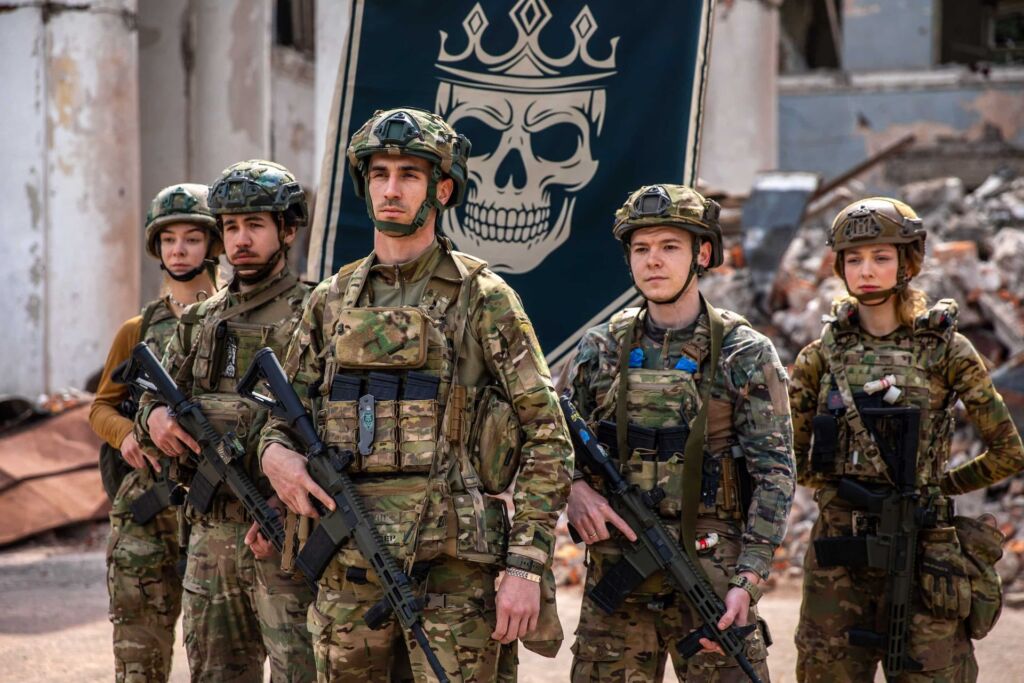
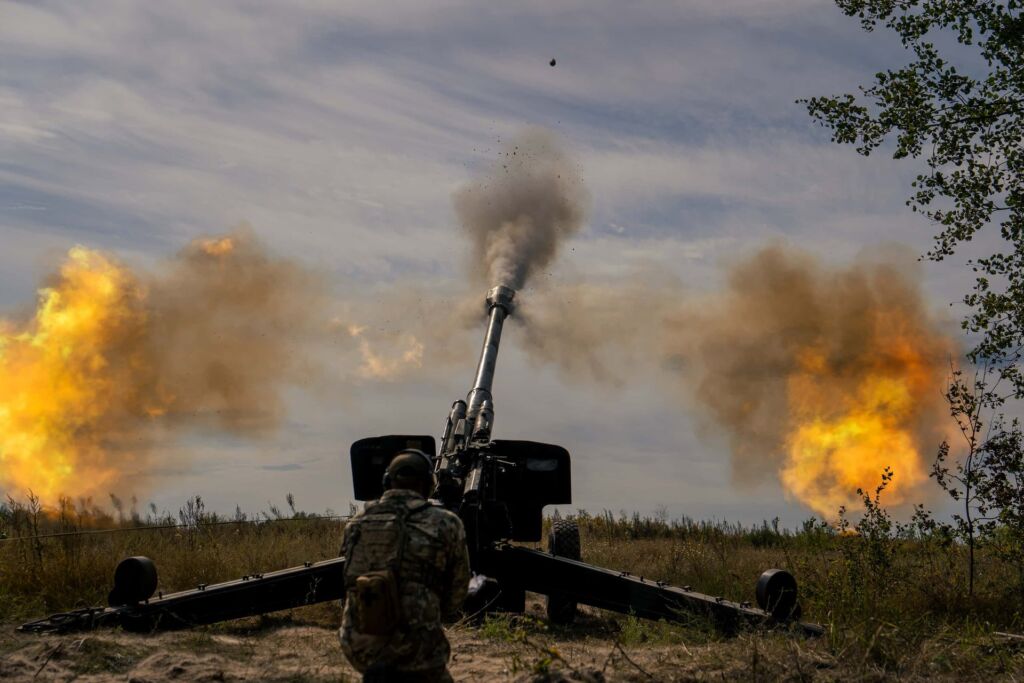
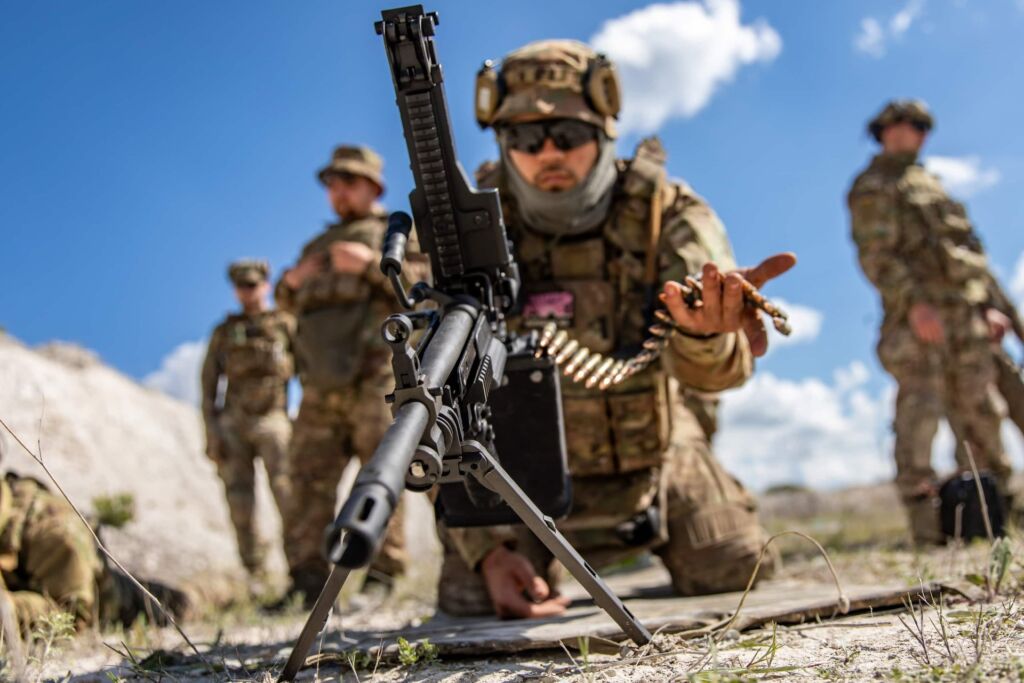
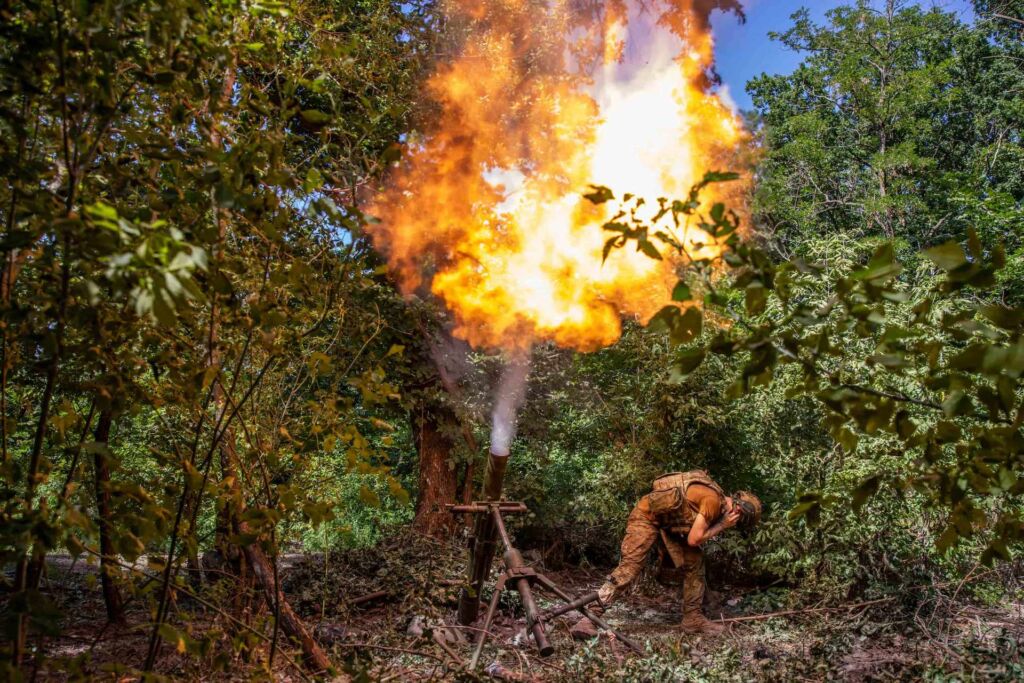
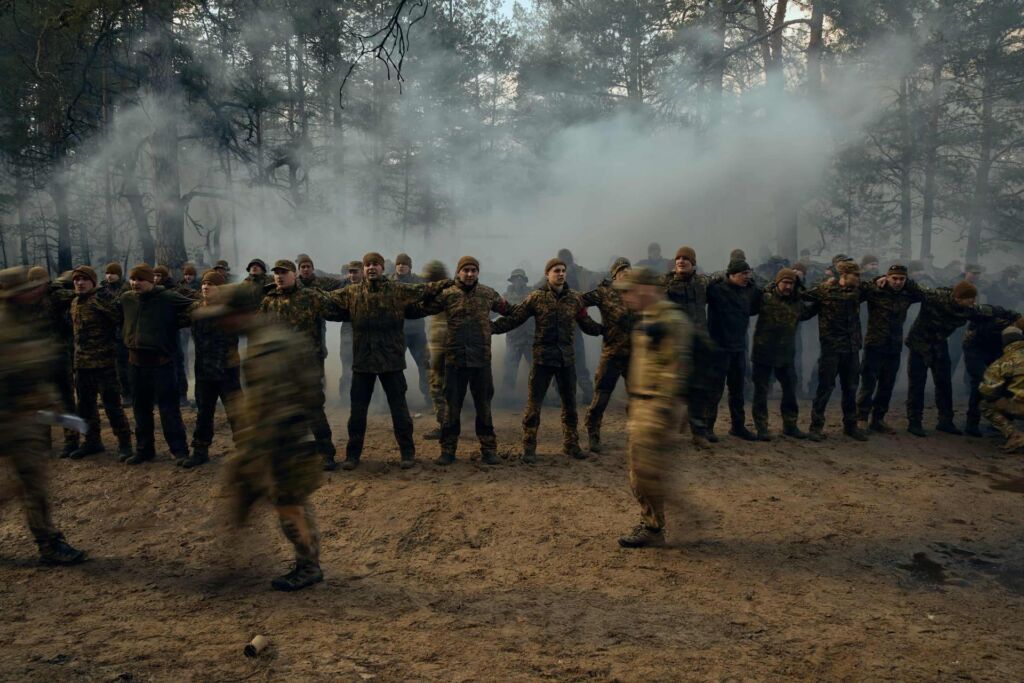
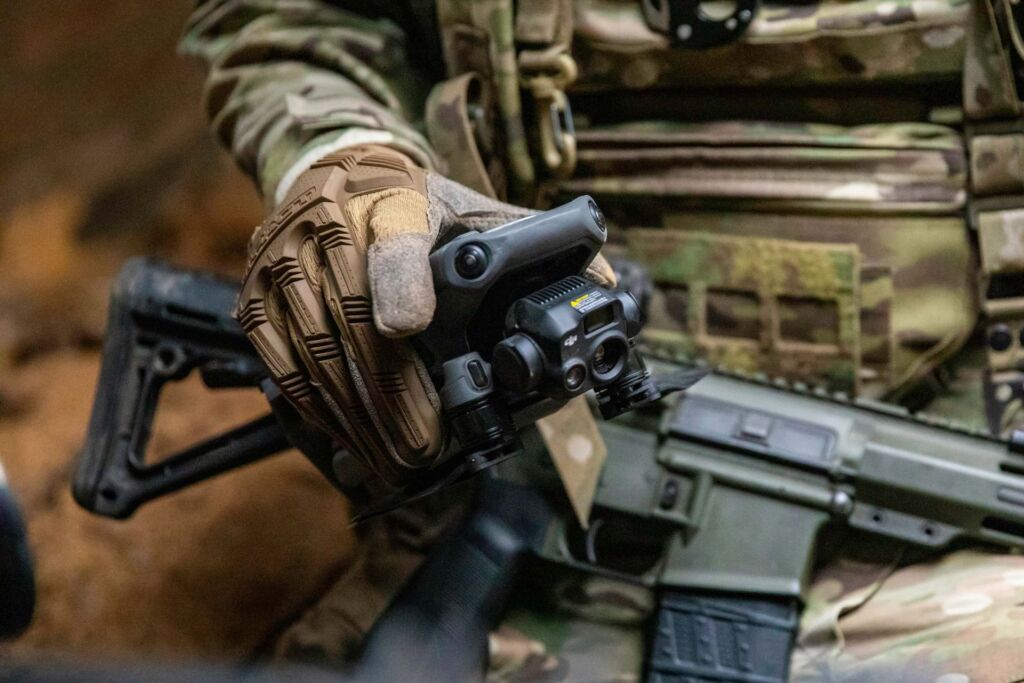
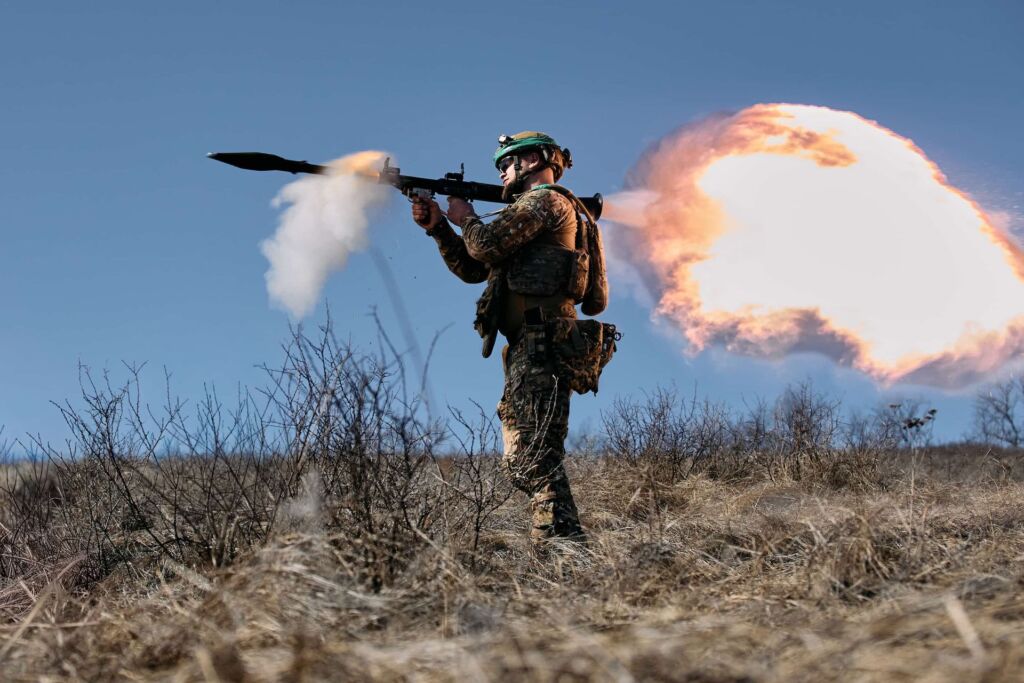
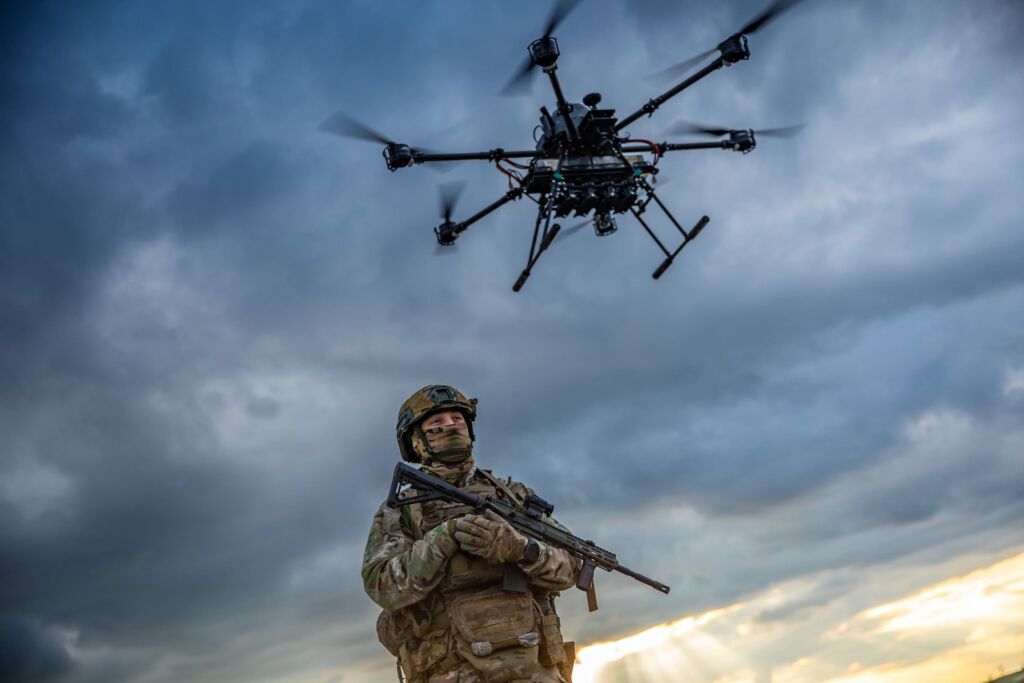
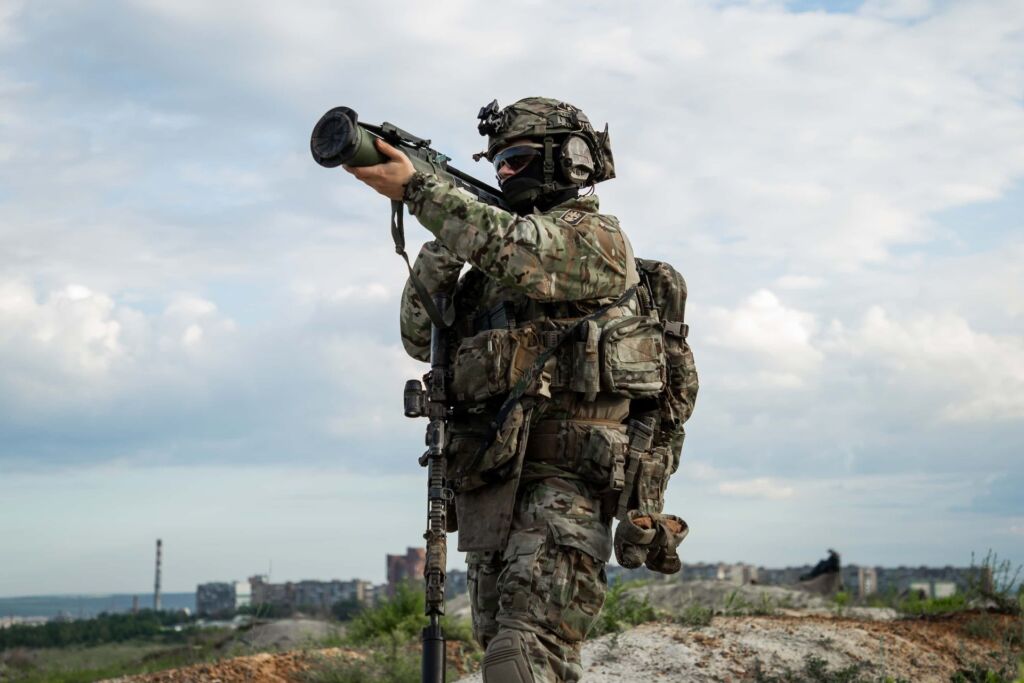
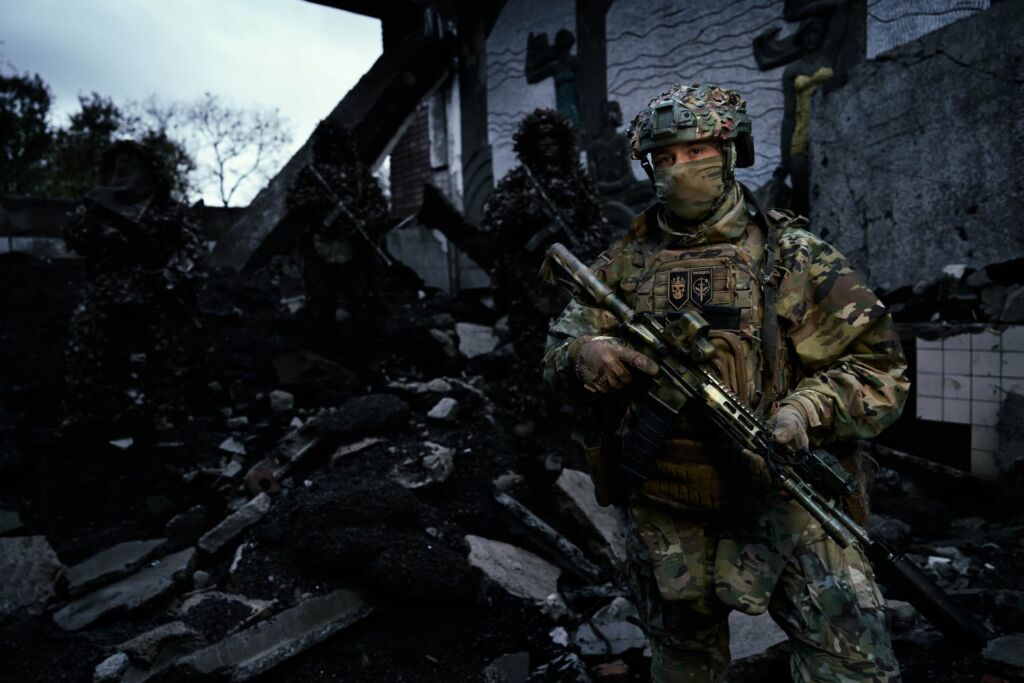
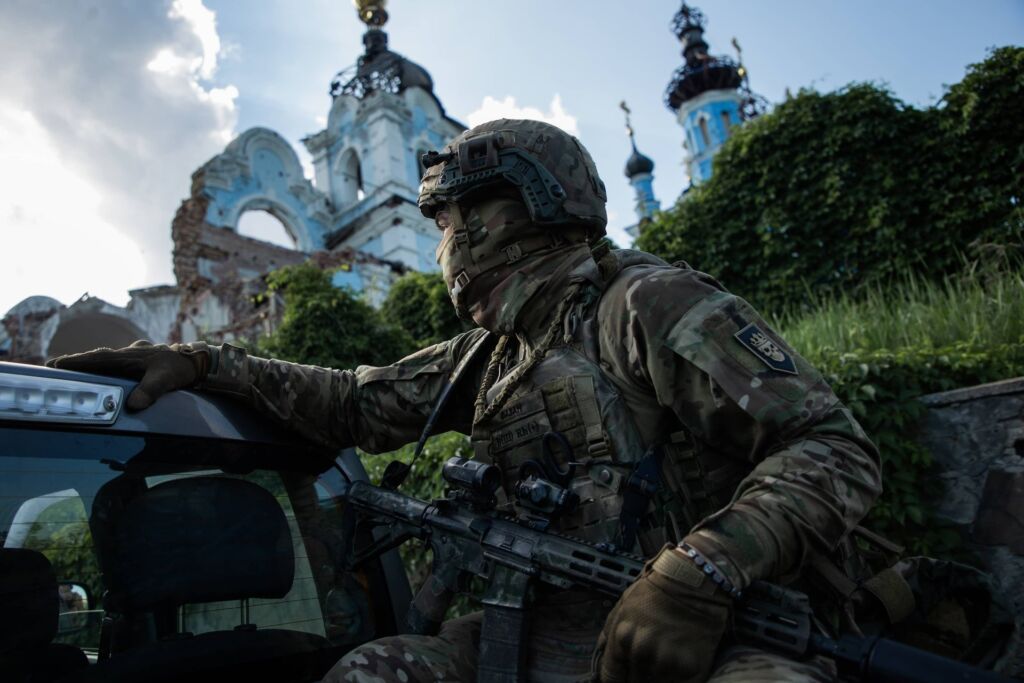
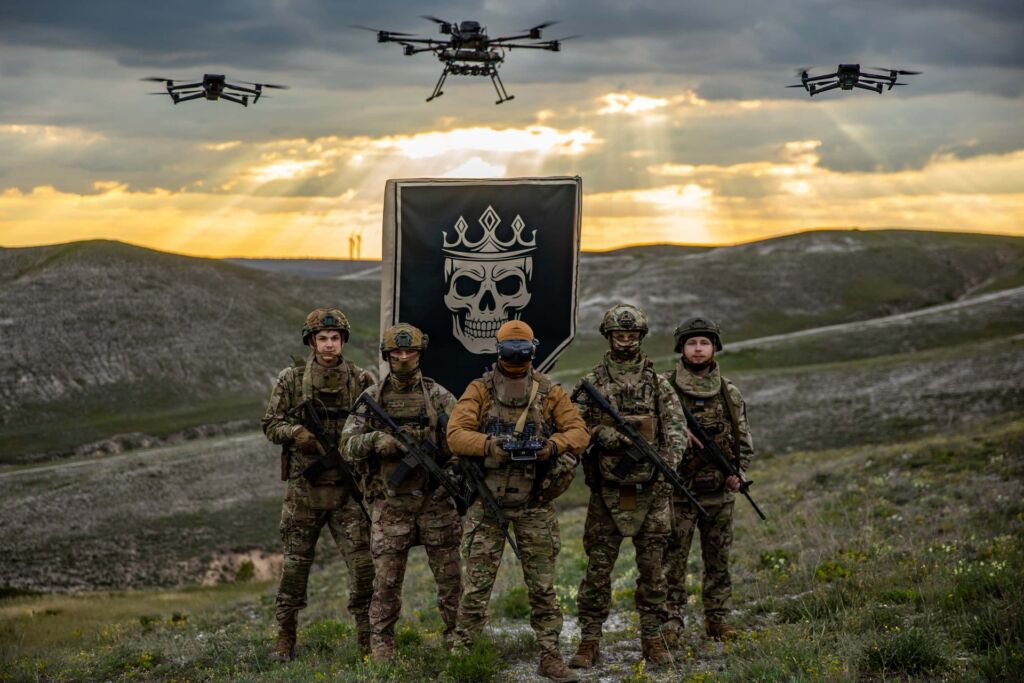
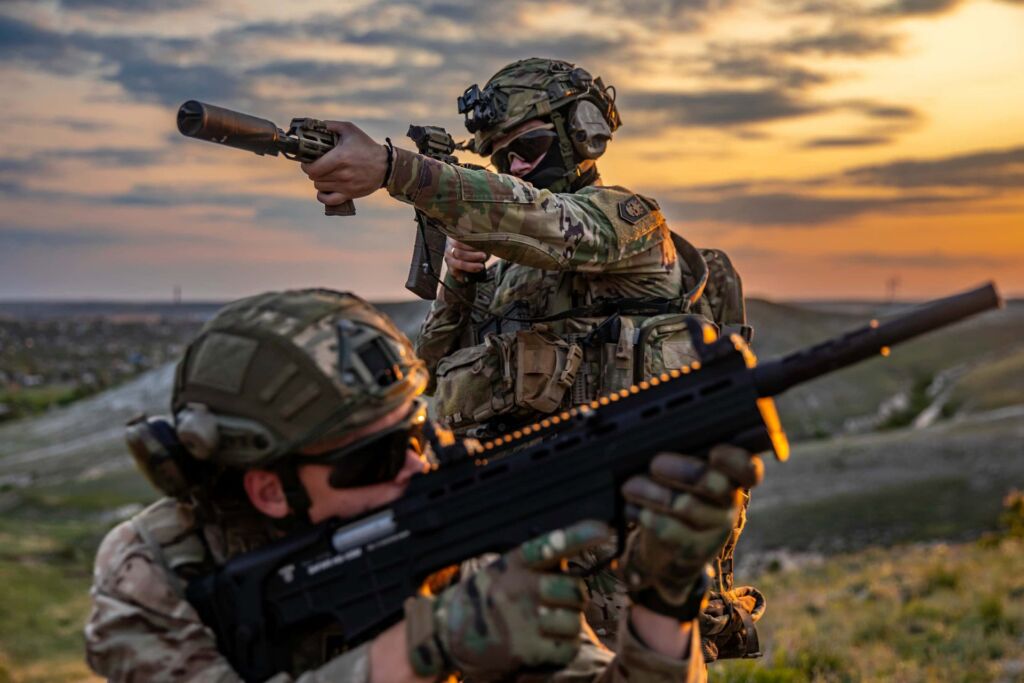
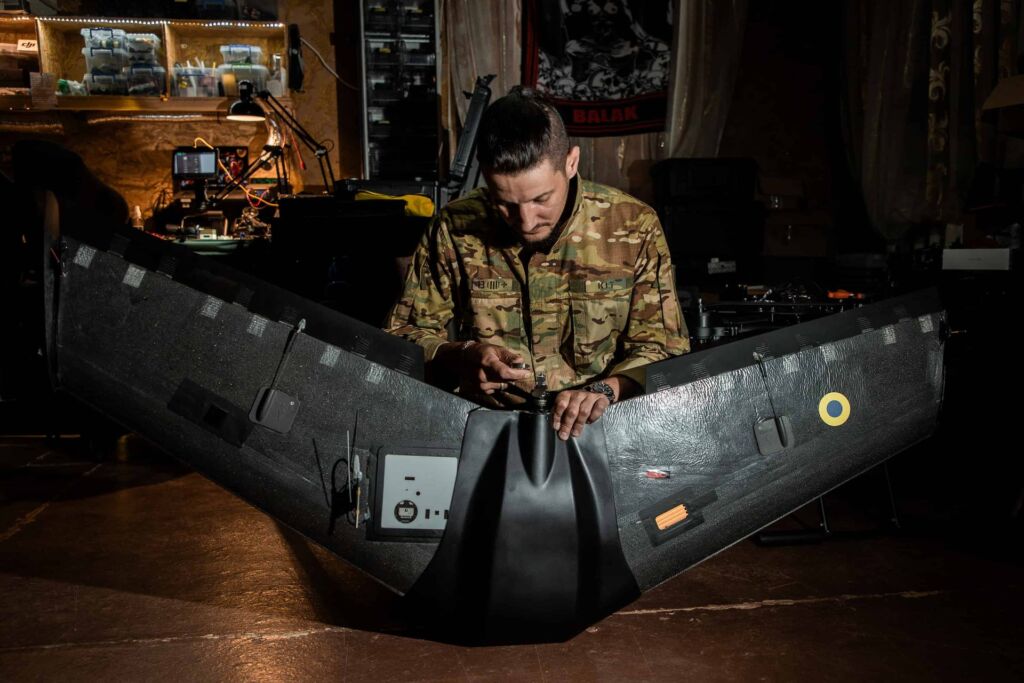
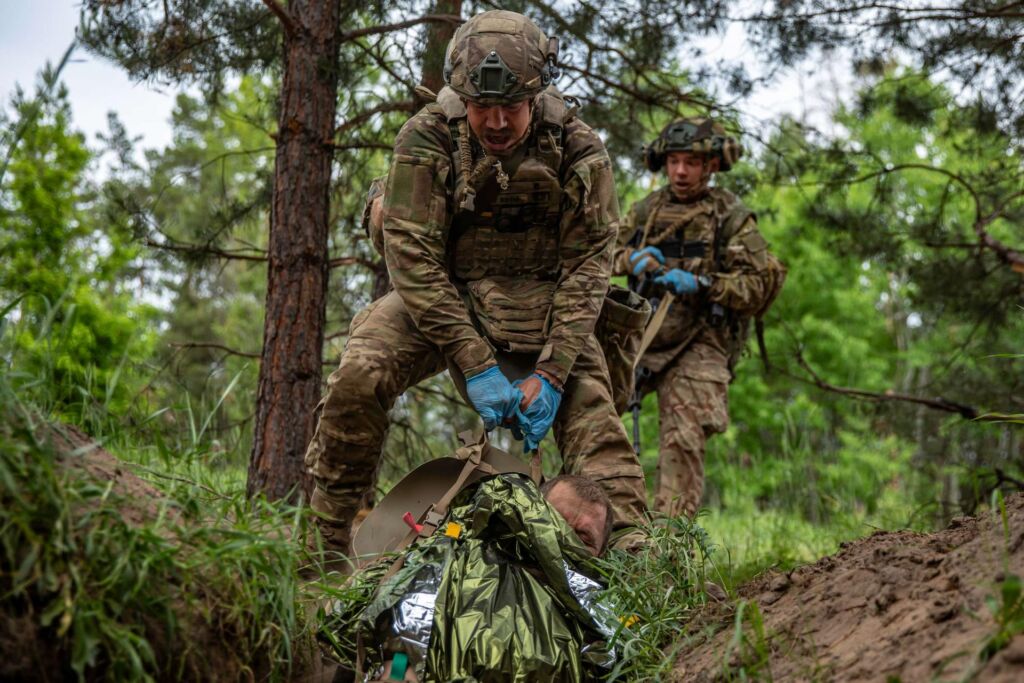
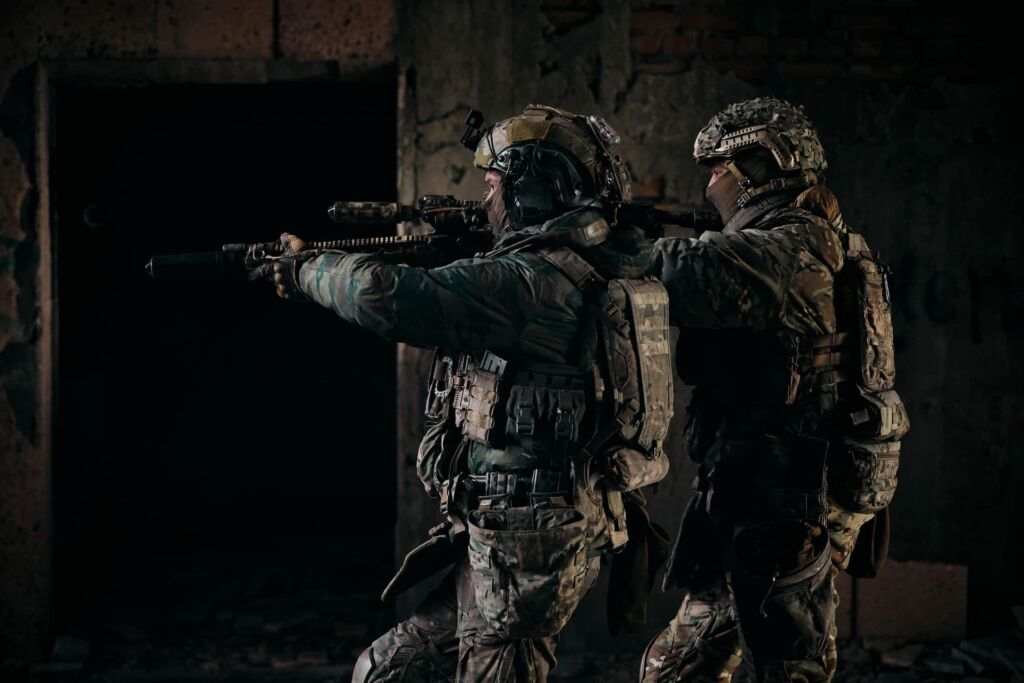
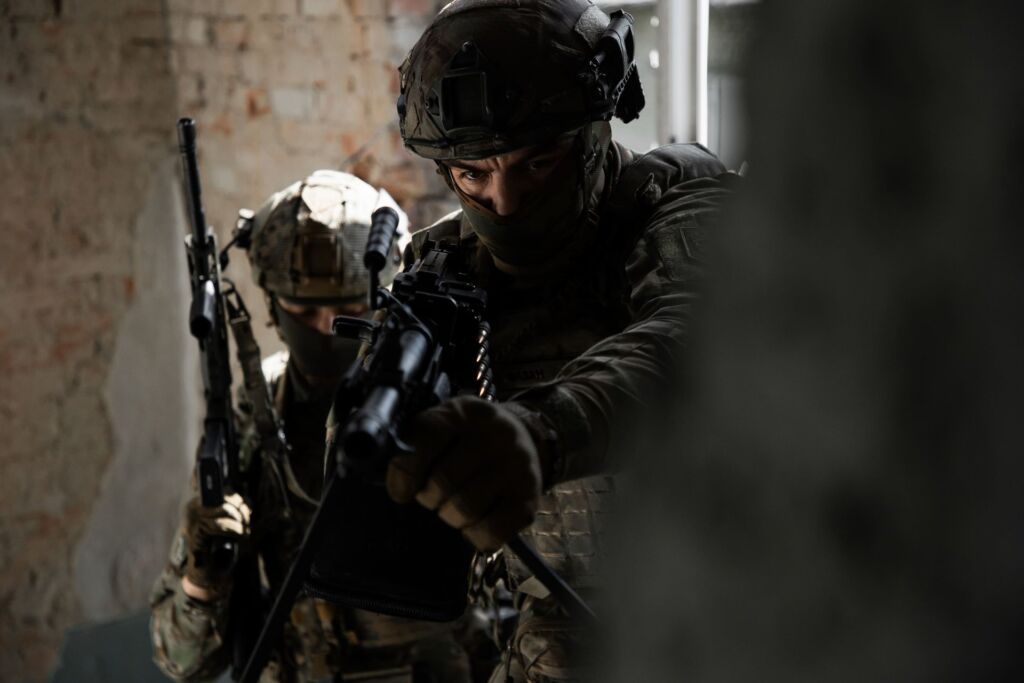
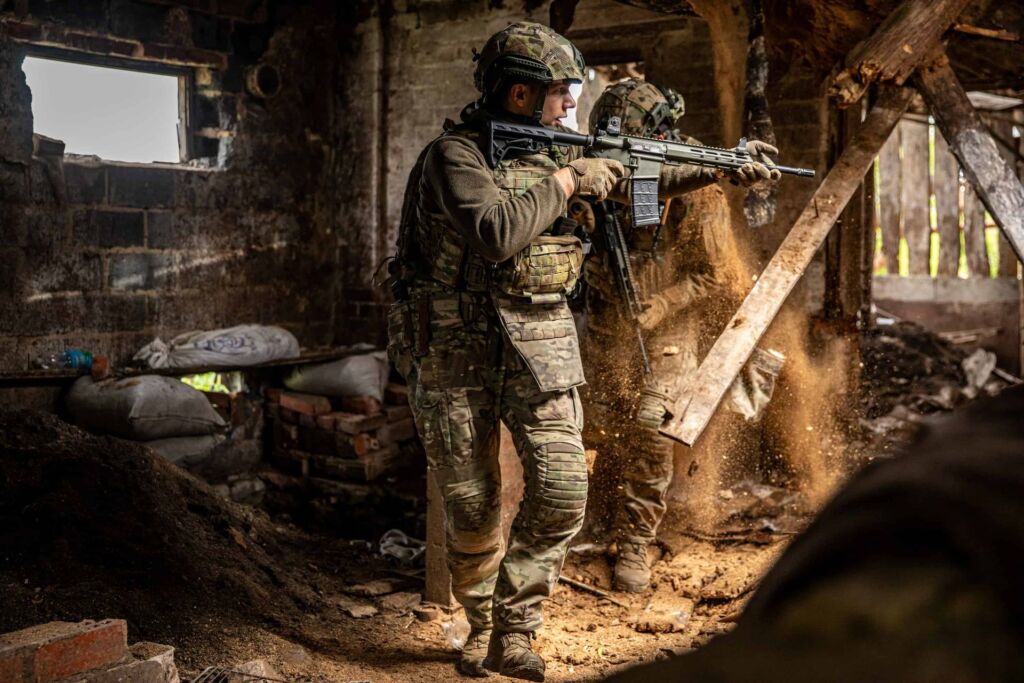
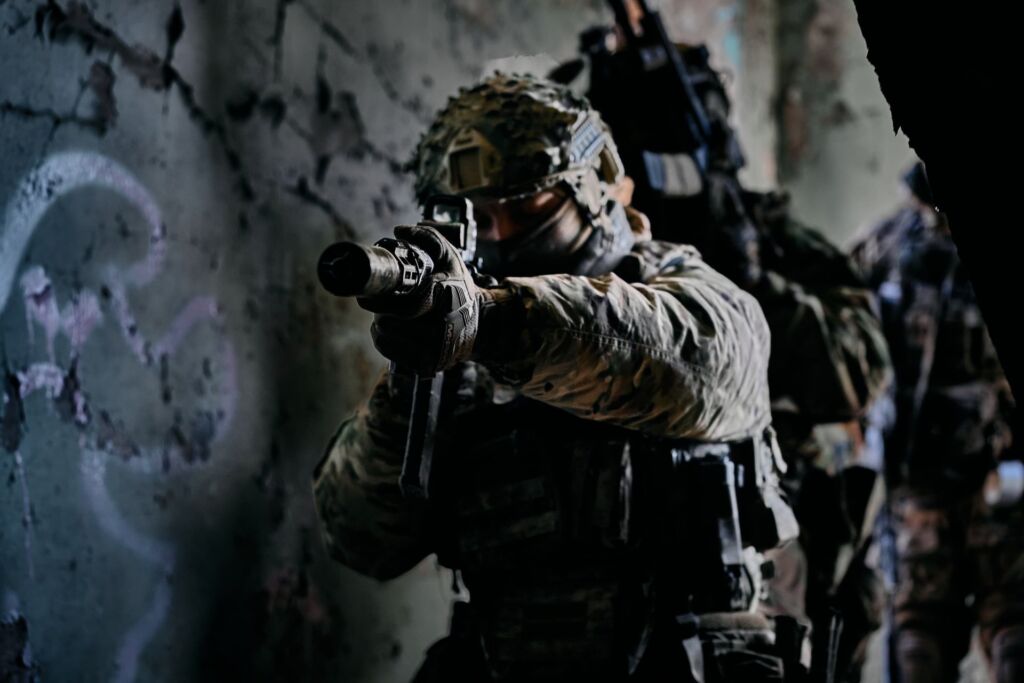
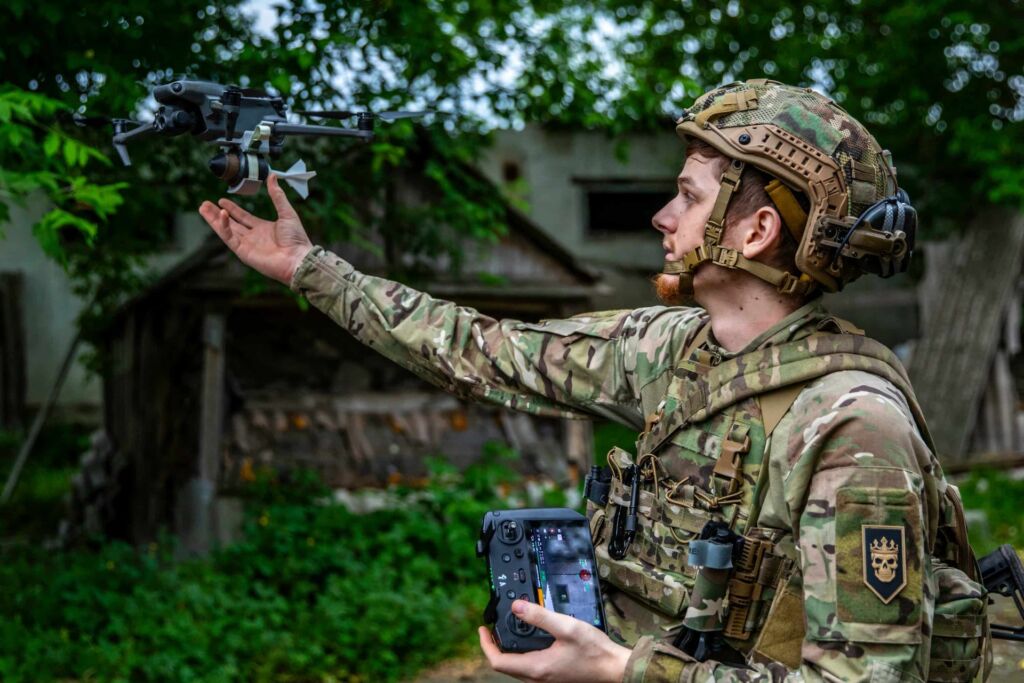
The history of the unit began in the early days of Russia’s full-scale invasion of Ukraine, with the formation of a volunteer territorial community unit. The name «Lubart» honors Prince Lubart Gediminid — a prominent ruler and defender of the Ruthenian Kingdom in the 14th century.
The core of the formation consisted of veterans of the Azov Special Purpose Detachment, participants of the Anti-Terrorist Operation (ATO), volunteers, members of the ultras movement, and representatives of patriotic organizations from Volyn and Galicia.
After undergoing reorganization through the Special Operations Forces and the 12th Special Forces Brigade Azov, in April 2025, the unit was reorganized into the 20th Operational Brigade Lubart as part of the First Corps Azov of the National Guard of Ukraine. This made it possible to significantly increase the unit’s combat power and technical capacity.
Today, the brigade actively implements modern tactics and technologies while continuously strengthening its combat capability.


The Lubart unit was established in Volyn by veterans of the Azov Special Purpose Detachment and the ATO in the first days of the full-scale invasion. Named after Prince Lubart Gediminid, it brought together volunteers, members of the ultras movement, and participants from various patriotic organizations. Its first combat tasks included guarding strategic facilities near Lutsk, securing Lutsk Airport, and combat duty along the state border with the Republic of Belarus.
In April, the unit was deployed to conduct clearance operations in liberated areas of the Kyiv region. Lubart fighters were among the first to enter Borodianka, where they supported engineer units and carried out demining of residential areas and infrastructure. This period became the first combat experience for new recruits, enabling coordination in real battlefield conditions and paving the way for the restoration of civilian life in the region.
The volunteer unit was officially integrated into the Special Operations Forces of the Armed Forces of Ukraine. The Lubart special purpose detachment focused on special reconnaissance, deep raids behind enemy lines in the Donetsk and Zaporizhzhia regions, and support for counteroffensive operations. Most missions from this period remain classified.
For a month and a half, Lubart fighters held the line in the southern Donetsk region. In the areas of Velyka Novosilka and Neskuchne, special forces personnel successfully contained the enemy offensive and stabilized the front line. The operations resulted in dozens of enemy personnel neutralized and the capture of an enemy officer. This was a strategically important phase that prevented further enemy advance along a critical sector.
Special forces personnel took part in intense battles for Bakhmut. In dense urban terrain and under constant attacks by Wagner Group assault units, fighters endured up to five combat engagements per day. Despite the enemy’s numerical advantage, Lubart held its positions and inflicted heavy losses. This campaign became a true test of endurance and a defining stage in mastering urban combat.
Fighters completed a training course based on the U.S. Army Ranger training program in Poland. The training covered small-unit tactics, urban assault operations, and coordination with allied forces. Instructors highly praised the discipline and professionalism of Lubart personnel. The experience gained and adoption of Western combat standards significantly strengthened the unit ahead of complex operations in southern Ukraine.
The unit took part in highly complex river-crossing operations on the left bank of the Kherson region (Krynky, Kozachi Laheri). A bold crossing of the Dnipro enabled the establishment of a tactical foothold and disrupted the rotation of elite enemy units. Missions were carried out under extremely difficult conditions and involved serious losses among the most experienced fighters. This stage became one of the most heroic chapters in Lubart’s history.
The detachment participated in the counteroffensive near Verbove and Novopokrovka. In burned-out tree lines, special forces encountered Russian airborne and naval infantry units. Breaking through defensive lines and successfully repelling counterattacks allowed the unit to secure new positions. Mortar crews played a particularly important role, systematically destroying enemy manpower and equipment.
The unit returned to the Kherson region to support Ukrainian Marines. Lubart fighters carried out reconnaissance missions in the wetlands and on the islands of the Dnipro River, identifying weak points in enemy defenses south of Krynky. These covert actions provided cover for Ukrainian forces and helped maintain a strategically important bridgehead on the left bank under constant enemy artillery and air strikes.
A logical stage of development was the unit’s official integration into the 12th Special Forces Brigade Azov. The unit was reorganized into the 5th Special Purpose Battalion Lubart. This enabled increased firepower and improved support. Within the Azov family, fighters were able to fully realize their potential in an environment defined by professionalism, brotherhood, and free of Soviet legacy practices.
As part of Azov, the battalion held defensive positions in the Serebrianskyi Forest near Kreminna. The difficult forest terrain required maximum concentration. Throughout spring and summer, Lubart fighters conducted intense combat operations, gradually pushing enemy forces out of fortified positions and improving the tactical situation of Ukraine’s Defense Forces. This period marked successful forward movement along one of the most challenging front lines.
The battalion was urgently redeployed to stabilize the situation on the Toretsk axis. Through professional actions, Lubart halted the enemy’s advance toward the outskirts of Toretsk and restored control over key positions in the New York area. The front line was stabilized through extraordinary effort.
Recognition of the unit’s combat achievements came with its reorganization into the 20th Operational Brigade Lubart as part of the First Corps Azov of the National Guard of Ukraine. Within a year, the unit’s size increased fourfold.
Since October 2025, the brigade has held its sector on the Pokrovsk axis. Its fighters have not only prevented the collapse of the front in their area of responsibility but have also conducted successful counterattacks, demonstrating the highest level of combat effectiveness within the First Corps Azov of the National Guard of Ukraine.
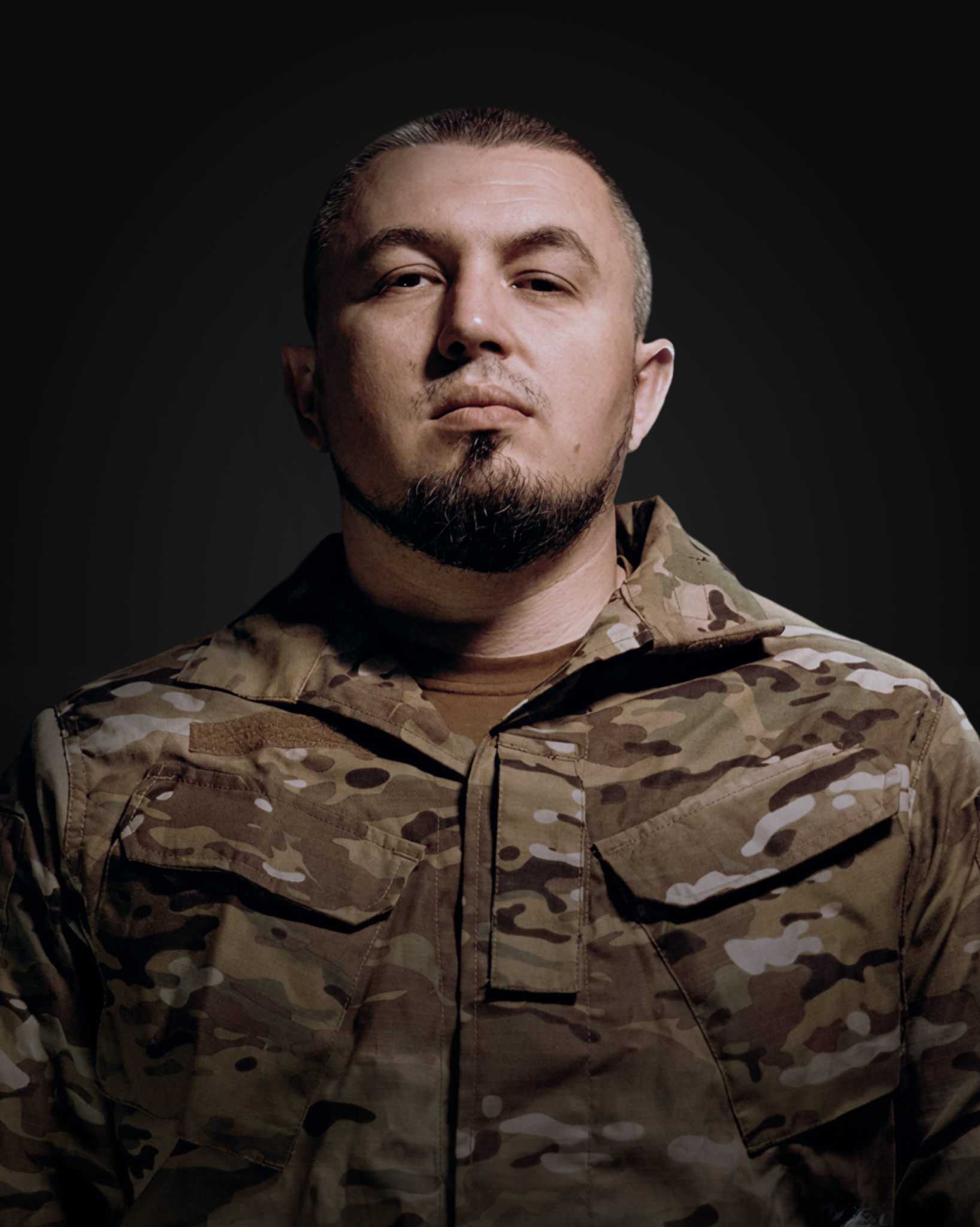
He began his service in 2014 with the Azov Battalion. He participated in battles for Mariinka, Ilovaisk, Shyrokyne, Bakhmut, Velyka Novosilka, and other sectors.
From the first days of the full-scale invasion, he led the Lubart unit, which under his command evolved from a volunteer formation into a fully developed combat brigade within the First Corps Azov of the National Guard of Ukraine.
His awards include the Order of Bohdan Khmelnytsky, III Class; the Commander-in-Chief’s honorary badge “Shield of Victory”; a Certificate of Honor from the Verkhovna Rada of Ukraine; the distinctions “Steel Cross” and “Silver Cross”; and the Presidential award “For the Defense of Ukraine.”


